
More Than a Simple Craving
The pull toward nostalgia isn't just about missing your grandmother’s cooking. According to culinary strategists and food psychologists, it’s a deep-seated reaction to a world that feels increasingly fast, uncertain, and digitally saturated. In an era
of economic anxiety and lingering post-pandemic unease, consumers are seeking refuge in the familiar. Food, with its powerful connection to memory and emotion, is one of an easiest and most satisfying ways to find it. This isn't about rejecting innovation; it’s about grounding it in something real and emotionally resonant. A dish that reminds someone of a happy, simpler time provides more than just calories—it delivers a dose of psychological comfort that feels priceless. Restaurant consultants are advising chefs that tapping into these 'core food memories' is no longer a niche strategy but a mainstream imperative for connecting with diners.
The Classics, Remixed
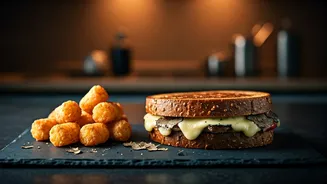
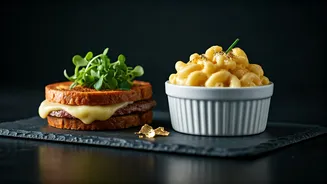
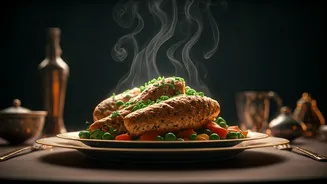
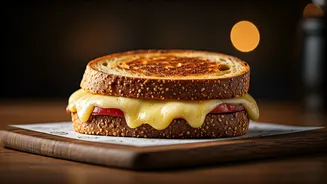
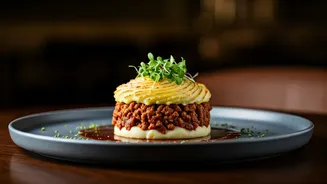
So, what does this look like on a plate? It’s not about serving up a bland, uninspired pot roast exactly as it was made in 1985. The 2026 nostalgia trend is about reinvention. Think of it as the greatest hits album, but with a modern remix. We’re seeing the early stages of this with the explosion of 'smash burgers'—a simple, old-school preparation that prioritizes crust and flavor over fancy toppings. Looking ahead, experts predict a resurgence of dishes and formats that Gen X and older Millennials grew up with, but elevated with better ingredients and modern techniques. Imagine a savory Jell-O mold made with artisanal broths and fresh herbs, a 'fancy' sloppy joe on a brioche bun with aged cheddar, or a deconstructed shrimp cocktail presented with a house-made, horseradish-spiked tomato sorbet. It’s about taking the soul of the original dish and dressing it up for a contemporary palate.
From Social Media to Your Plate
This trend isn't just happening in high-end kitchens. It’s being supercharged by social media. Platforms like TikTok and Instagram have become virtual test kitchens for nostalgic revivals. A creator can post a video of a 'Depression-era' water pie or a 1970s-style layered dip, and within days, millions of people are talking about it, trying it, and, crucially, craving it. This creates a bottom-up demand that the restaurant industry can't ignore. When a viral trend shows a clear appetite for something like the classic Shirley Temple (which has seen a massive resurgence, both with and without alcohol), restaurants are quick to add their own versions to the menu. This digital feedback loop accelerates the trend cycle, taking a half-forgotten food memory and turning it into a must-have menu item in record time.
The Smart Business of Comfort Food
There's also a pragmatic, business-minded reason for this shift. In the wake of years of supply chain disruptions and soaring costs for exotic ingredients, nostalgic American and European-style dishes often rely on more stable, affordable, and locally sourceable ingredients like potatoes, cheese, ground meat, and seasonal vegetables. For a restaurant owner, a menu centered on elevated comfort food is less risky. These are crowd-pleasing dishes with wide appeal, which means less food waste and more predictable sales. Furthermore, training kitchen staff to execute a perfect pot pie or a masterful meatloaf is often more straightforward than teaching complex molecular gastronomy techniques. In a tight labor market, this operational simplicity is a significant advantage. It's a win-win: the customer gets a comforting, delicious meal, and the restaurant gets a more resilient and profitable business model.