





The Downfall of the Detox
Let’s be honest: the appeal of a “detox” is powerful. It suggests a clean slate, a way to undo a weekend of indulgence or kickstart a healthier life. Companies built billion-dollar empires on this idea, selling everything from cayenne-lemon concoctions
to expensive supplement kits. The problem? It was always more marketing than medicine. Most detoxes are built on severe caloric restriction and lack essential nutrients, leading to fatigue, headaches, and irritability. Any initial weight loss is typically water and muscle, which comes right back the moment you return to normal eating. The wellness world is finally admitting what scientists have said for years: these short-term, extreme measures don't create lasting health.
Your Body Is the Real Expert
The greatest irony of the detox industry is that it tries to sell you a service your body already performs for free, 24/7. We have a highly sophisticated, built-in detoxification system, thank you very much. Your liver is the star player, acting as the primary filter for toxins, metabolizing drugs, and processing nutrients. Your kidneys work tirelessly to filter blood, remove waste, and excrete it through urine. Your lungs, skin, and digestive system also play crucial roles. These organs don't need a week of celery juice to do their jobs; they need ongoing support in the form of adequate hydration, a nutrient-rich diet, and a healthy lifestyle. Commercial “cleanses” don’t enhance this process; in some cases, extreme diets can actually put more stress on these vital organs.
The Quiet Power of 'Good Enough'
If extreme resets don’t work, what does? The answer is beautifully, almost frustratingly, simple: consistency. It’s the opposite of the all-or-nothing mindset. It’s not about a perfect week of workouts followed by a month of nothing. It's about the daily 20-minute walk you take even when you’re tired. It’s not a radical, no-carb diet; it’s adding a side of greens to your lunch every day. This approach, often called 'habit stacking' or the '1% better' rule, leverages the power of compound interest for your health. Small, repeatable actions build momentum and become automatic over time. They create a foundation of well-being that isn’t shattered by one 'off' day or a slice of birthday cake. This shift is about trading short-term perfectionism for long-term progress.
What Consistency Actually Looks Like
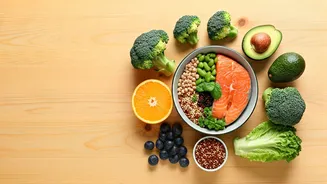
Moving from the idea of consistency to the practice can feel daunting, but it’s simpler than you think. Forget the overhaul and focus on the upgrade. * **In Your Kitchen:** Instead of banning foods, try adding one. Can you add a handful of spinach to your eggs? A piece of fruit as an afternoon snack? Focus on crowding out less-nutritious options with better ones, not on deprivation. * **In Your Movement:** You don't need a 90-minute HIIT class to see benefits. Could you commit to a 15-minute walk after dinner? A 10-minute stretching session before bed? Or taking the stairs at work? The best workout is the one you’ll actually do regularly. * **In Your Rest:** Sleep is the ultimate performance enhancer and recovery tool. Instead of scrolling on your phone for 30 minutes before bed, could you read a book? Aiming for a consistent bedtime, even on weekends, can have a bigger impact than any 'sleep tea.'
How to Start and Stay Consistent
The key to making new habits stick is to lower the barrier to entry so much that it feels almost too easy. Want to hydrate more? Fill a water bottle and put it on your desk first thing in the morning. Want to move more? Put your workout clothes by your bed before you go to sleep. Celebrate the small wins—you walked for 10 minutes today when you would have done zero yesterday. That’s a victory. And when you inevitably fall off track—because you’re human—don’t let it derail you. The old model says, “I skipped the gym, my week is ruined.” The consistency model says, “I missed today, so I’ll be sure to make it tomorrow.” It’s a shift from judgment to gentle course-correction, and it’s the only way to build a healthy lifestyle that actually lasts.