


The Scent of Culture and Calm
In India, the scent of jasmine is more than just a pleasant smell; it's a cultural touchstone. It signals the transition from the day's heat to the evening's cool respite. Women weave strings of 'mogra' (Jasminum sambac) into their hair, vendors sell
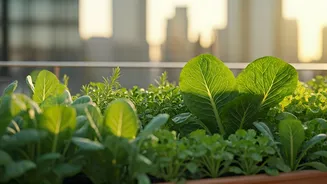
garlands on street corners, and the fragrance wafts from temples and homes. It’s a scent of welcome, devotion, and romance. Bringing jasmine to your terrace, balcony, or patio isn't just about planting a flower. It's about cultivating an atmosphere. It’s about creating a space where you can unwind, where a simple scent can quiet the noise of the day and connect you to a tradition of appreciating simple, sensory beauty. This is the essence of the 'Indian terrace garden'—not a rigid design, but a feeling of a lush, fragrant oasis.
Choosing Your Perfect Jasmine
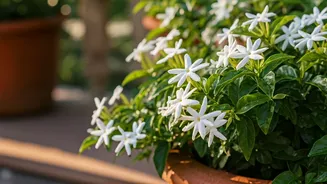
Not all jasmines are created equal, and choosing the right one is key to success. Your goal is that heady, evening fragrance. Here are three excellent choices for American gardens: **1. Sambac Jasmine (Jasminum sambac):** Known as 'Mogra' or 'Arabian Jasmine', this is the one you want for that authentic, powerful fragrance. Varieties like 'Maid of Orleans' or the multi-petaled 'Grand Duke of Tuscany' are beloved for their rich scent. They are tropical plants, so in most U.S. climates (outside of zones 9-11), they are best grown in containers that can be brought indoors during winter. **2. Common Jasmine (Jasminum officinale):** Also called 'Poet's Jasmine,' this vining variety is more cold-hardy (to about zone 7) and produces masses of delicate white flowers with a famously sweet scent, especially at night. It's a vigorous climber, perfect for training up a trellis or along a fence. **3. Star Jasmine (Trachelospermum jasminoides):** A word of caution: this popular plant is not a true jasmine. However, it's a fantastic, low-maintenance evergreen vine that produces a profusion of star-shaped, sweetly fragrant flowers. It’s hardy, drought-tolerant once established, and an excellent, reliable choice if you want the jasmine effect with less fuss.
Creating Your Terrace Oasis
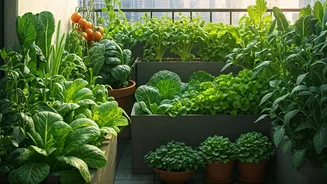
You don't need a sprawling garden to capture this magic. A few well-placed containers can transform a small balcony or patio. For Sambac Jasmine, choose a decorative pot that’s at least 12-14 inches in diameter to give its roots room. Place it near a seating area where you can enjoy the evening fragrance. Since it’s a shrubby vine, you can provide a small trellis for support or simply let it grow into a beautiful bush, pruning it to maintain its shape. For vining types like Common or Star Jasmine, think vertically. Use a trellis against a wall to create a living screen of green leaves and white flowers. You can also let it spill from a large hanging basket. The key is placement: position your jasmine where the scent will be carried by the evening breeze—near a window, a doorway, or your favorite outdoor chair. Pair it with other simple plants in terracotta pots for a classic, earthy aesthetic.
A June Care Checklist
June is a critical month for jasmine. The plant is in active growth, preparing to put on its magnificent floral show. Follow this simple guide to ensure a summer of fragrance. * **Sunlight:** Jasmine thrives in full sun to light shade. Aim for at least 6 hours of direct sunlight for the best blooms. In intensely hot climates, some afternoon shade can prevent scorching. * **Watering:** Keep the soil consistently moist but not waterlogged. In the heat of June, container-grown jasmine may need watering every day or two. Check the top inch of soil; if it's dry, it's time to water thoroughly until it runs out the bottom of the pot. * **Feeding:** This is the time to fertilize. Use a balanced liquid fertilizer (like a 10-10-10) every two to four weeks during the growing season. A fertilizer slightly lower in nitrogen and higher in phosphorus and potassium can also help promote more blooms over foliage. * **Pruning & Pinching:** After a flowering cycle, lightly prune your jasmine to encourage new growth, which is where new flowers will form. Pinching the tips of new stems can also promote a fuller, bushier plant.