







The Rise of the 'Pet Parent'
For decades, the idea of pet ownership in India was often tied to large, multi-generational family homes, where a dog might roam the compound, cared for by a rotating cast of family members. But that picture is rapidly changing. Across metropolises like
Mumbai, Bengaluru, and Delhi, a new demographic is driving the pet market: young, single, upwardly mobile professionals. Living alone or with roommates in compact city apartments, they aren’t just pet owners; they are 'pet parents.' This shift, often called 'pet humanization,' means treating a dog or cat not as a peripheral member of the household, but as a cherished family member—a 'fur baby' who receives the best food, care, and attention. This emotional investment is fueling a multi-billion dollar pet care industry, but it also comes with a unique set of modern anxieties.
The Anxiety of the Urban Hustle
The life of a young professional in urban India is demanding. Long workdays are compounded by notoriously difficult commutes, often stretching a 9-to-5 job into a 12-hour-plus commitment away from home. For the traditional joint family, there was always someone around to feed the dog. For today's solo pet parent, leaving for work is fraught with guilt. Did I leave enough food? What if my meeting runs late? Is my pet lonely or distressed? This emotional toll is the central conflict of modern Indian pet ownership. The desire for companionship clashes with the professional ambition required to afford a life in the city. The traditional support networks are gone, replaced by a deep sense of personal responsibility and a constant worry that they are failing their dependent, four-legged friend.
Technology as a Digital Leash
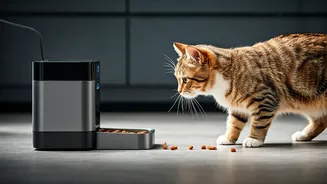
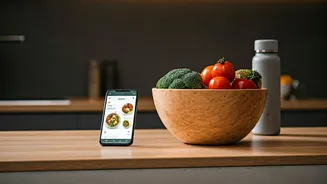
This is where the smart pet feeder enters the narrative, not as a mere convenience, but as a genuine lifeline. These Wi-Fi-connected devices do more than just dispense kibble. Through a smartphone app, a pet parent stuck in traffic across town can trigger a perfectly portioned meal. They can set up a precise feeding schedule to maintain their pet's health, a feature especially crucial for animals with dietary needs. But the real game-changer is the integration of cameras and two-way audio. The device becomes a portal back home. A young lawyer can take a five-minute break from drafting a contract to see her golden retriever napping, or even call out a reassuring, 'Who's a good boy?' The feeder isn't just a food dispenser; it’s a tool for peace of mind. It’s a digital tether that allows these busy singles to feel connected and in control, transforming pet-related anxiety into manageable, technologically-mediated care.
More Than a Gadget, A Social Indicator
While a smart feeder might seem like a niche gadget, its growing popularity in India is a powerful indicator of broader social and economic shifts. It tells a story of urbanization, changing family structures, and a generation redefining companionship on its own terms. It also reflects a global trend where technology is increasingly used to fill the gaps created by modern life. Just as Americans use apps to manage their finances, schedules, and social lives, young Indians are adopting tech to manage their emotional responsibilities. This small piece of hardware offers a glimpse into a future where our relationships—even the most personal ones with our pets—are mediated, managed, and maintained through a digital interface. It’s a solution born of necessity, tailored for a generation that lives, works, and now parents, through their smartphones.