



The Myth of the Unbearable Monsoon
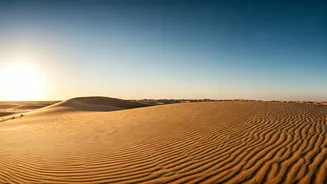
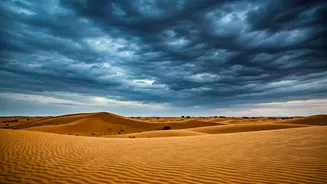
Let’s clear up the biggest misconception first. The monsoon in India’s northwestern state of Rajasthan, home to the Thar Desert, is nothing like the relentless, city-flooding downpours you might picture. The arid climate means rainfall is often brief,
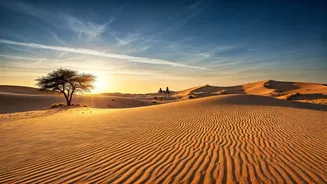
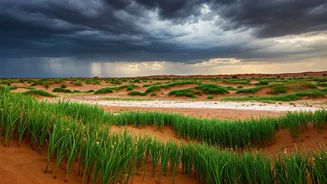
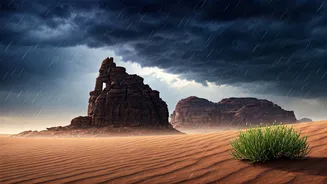
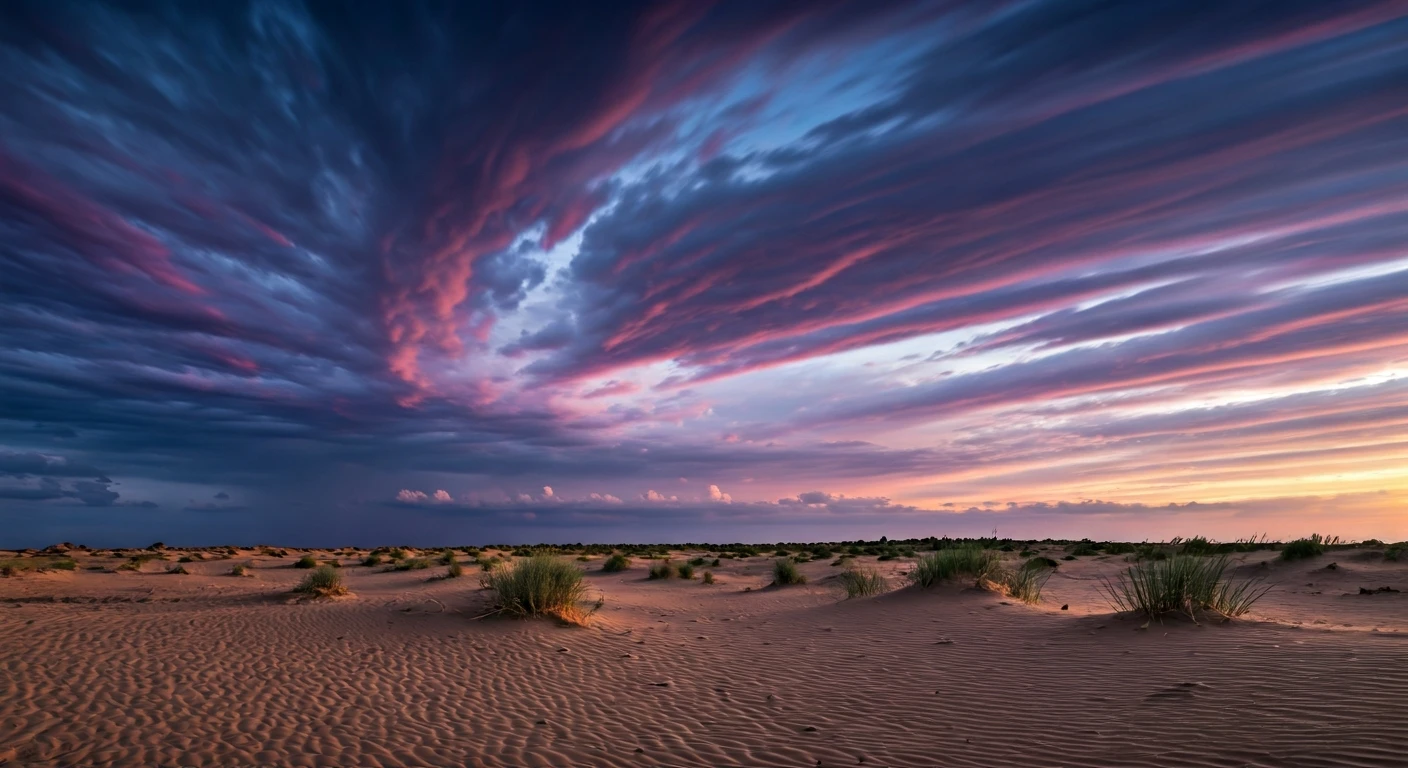
dramatic, and fleeting. Instead of days of unending gray drizzle, you’ll likely experience short, intense showers that clear as quickly as they arrive, leaving behind clean air and dramatic, cloud-strewn skies. The cliché of a desert is endless, scorching sun. The reality of the Thar in July and August is a welcome break from the extreme heat of the preceding months. Temperatures are more manageable, although humidity does rise. For many travelers, this trade-off is more than fair, swapping oppressive dry heat for a more temperate, albeit occasionally damp, climate. The storms themselves become a spectacle, with lightning illuminating the vast, empty horizons.
A Desert in Surprising Bloom
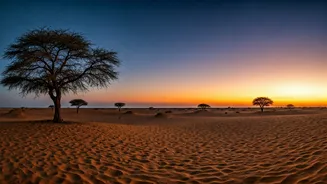
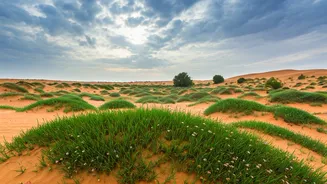
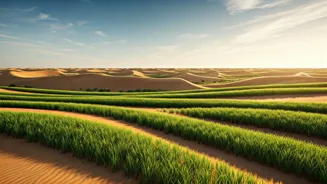
The single most compelling reason to visit the Thar during the monsoon is the visual transformation. This is the desert as you’ve never imagined it. After the first few rains, the parched, sandy landscape undergoes a miraculous revival. Dormant grasses sprout, turning dunes a soft shade of green. Wildflowers, locally known as ‘teent,’ burst forth in vibrant patches of color. The Ker tree, a thorny staple of the desert, is suddenly lush. This temporary ecosystem attracts a flurry of life. Peacocks, India’s national bird, are famously more active and vibrant during the monsoon, fanning their iridescent tails in elaborate courtship displays. You’ll see more birdlife in general, and the air, usually thick with dust, feels fresh and clean. It’s a photographer’s dream, offering a rare palette of greens, blues, and golds against the ancient architecture of cities like Jaisalmer and Bikaner.
The Practical Perks of the Off-Season
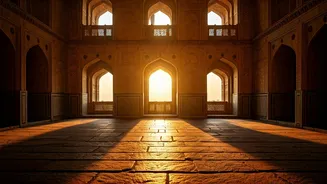
Beyond the scenery, monsoon travel in Rajasthan comes with significant practical advantages. This is unequivocally the low season. The crowds that throng the forts and palaces of Jaisalmer, Jodhpur, and Bikaner from October to March are gone. You can wander through historic havelis and explore bustling markets without shuffling through a sea of tourists. This quieter atmosphere allows for more meaningful interactions with locals, for whom the rain is a joyous, life-giving event. The economic benefits are also undeniable. Airlines, hotels, and tour operators often offer significant discounts to attract visitors. You can frequently find luxury accommodations for a fraction of their peak-season price, making a more comfortable trip accessible on a tighter budget. For a traveler seeking a more authentic and less hectic experience, the monsoon delivers in spades.
What to Do (and What to Reconsider)
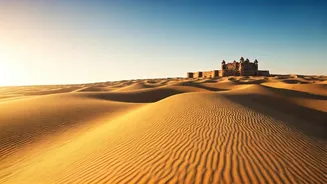
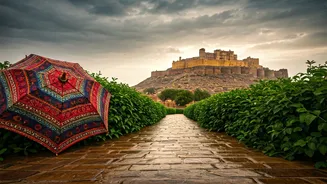
While the monsoon opens up unique opportunities, it does require some adjustments. City exploration is ideal. The cooler temperatures make wandering the labyrinthine streets of Jaisalmer’s Golden Fort or exploring Bikaner’s Junagarh Fort far more pleasant. Shorter, evening camel rides are still very much on the table and can be magical as you watch the sunset over a damp, green desert. However, this may not be the time for an ambitious, multi-day camel safari deep into the dunes. Some remote tracks can become muddy and temporarily impassable, and the humidity can make camping less comfortable. It’s best to stick to established camps and day-trips. Focus on the cultural hubs and use them as a base for short excursions to witness the desert’s monsoon transformation from a comfortable and accessible distance.
Packing for the Paradoxical Climate
Packing for a wet desert requires a little strategic thinking. Lightweight, breathable clothing is key to managing the humidity. Think cottons and linens. You absolutely need a good quality, packable rain jacket for the sudden showers. While you’re at it, a waterproof bag or cover for your electronics and passport is a must. For footwear, leave the flimsy flip-flops behind. A sturdy pair of sandals with good grip or waterproof walking shoes are better choices for navigating potentially slick stone streets and muddy patches. Finally, don’t forget insect repellent. With the water comes more life, and that includes mosquitoes, especially around dusk. A layered approach allows you to adapt to a day that can shift from sunny and humid to cool and rainy in a matter of minutes.