

A Land Carved by Wind and Time
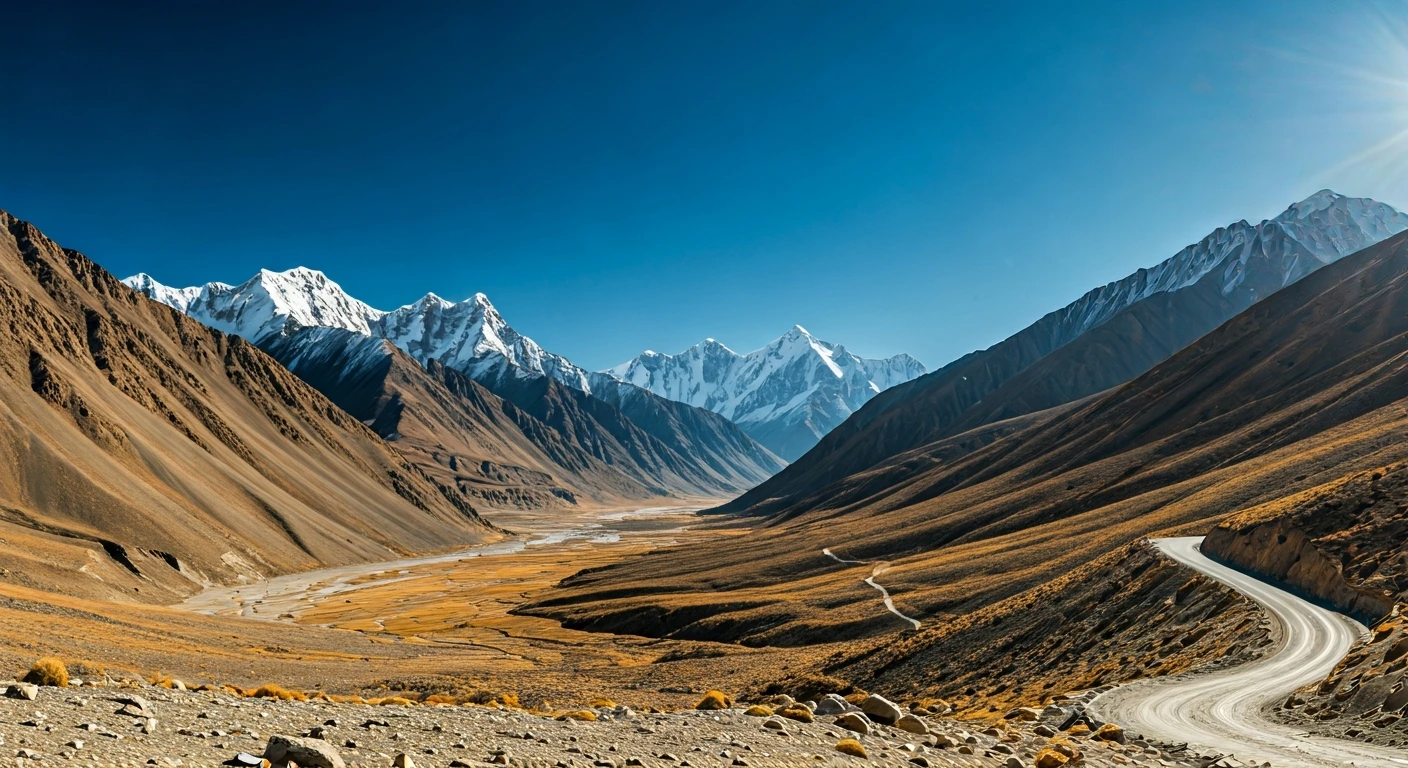
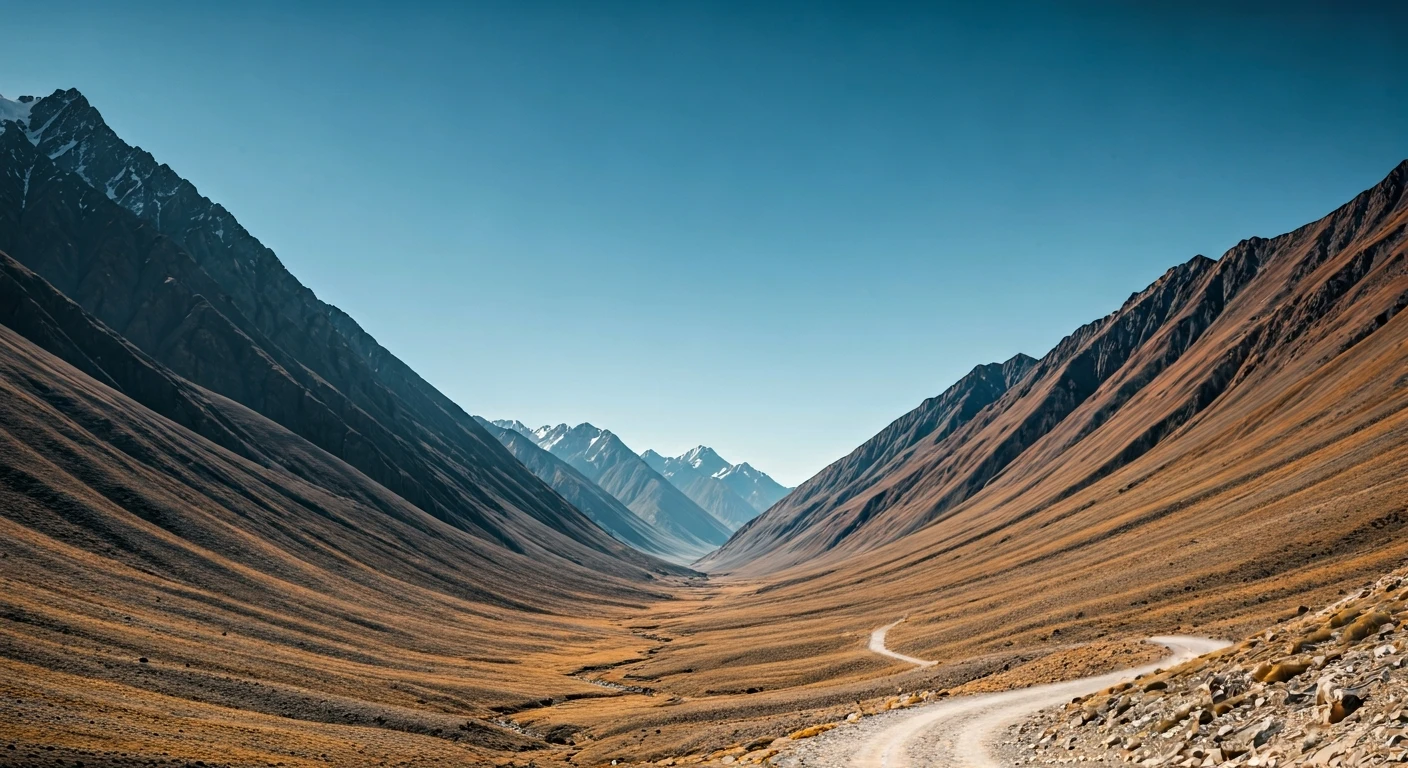
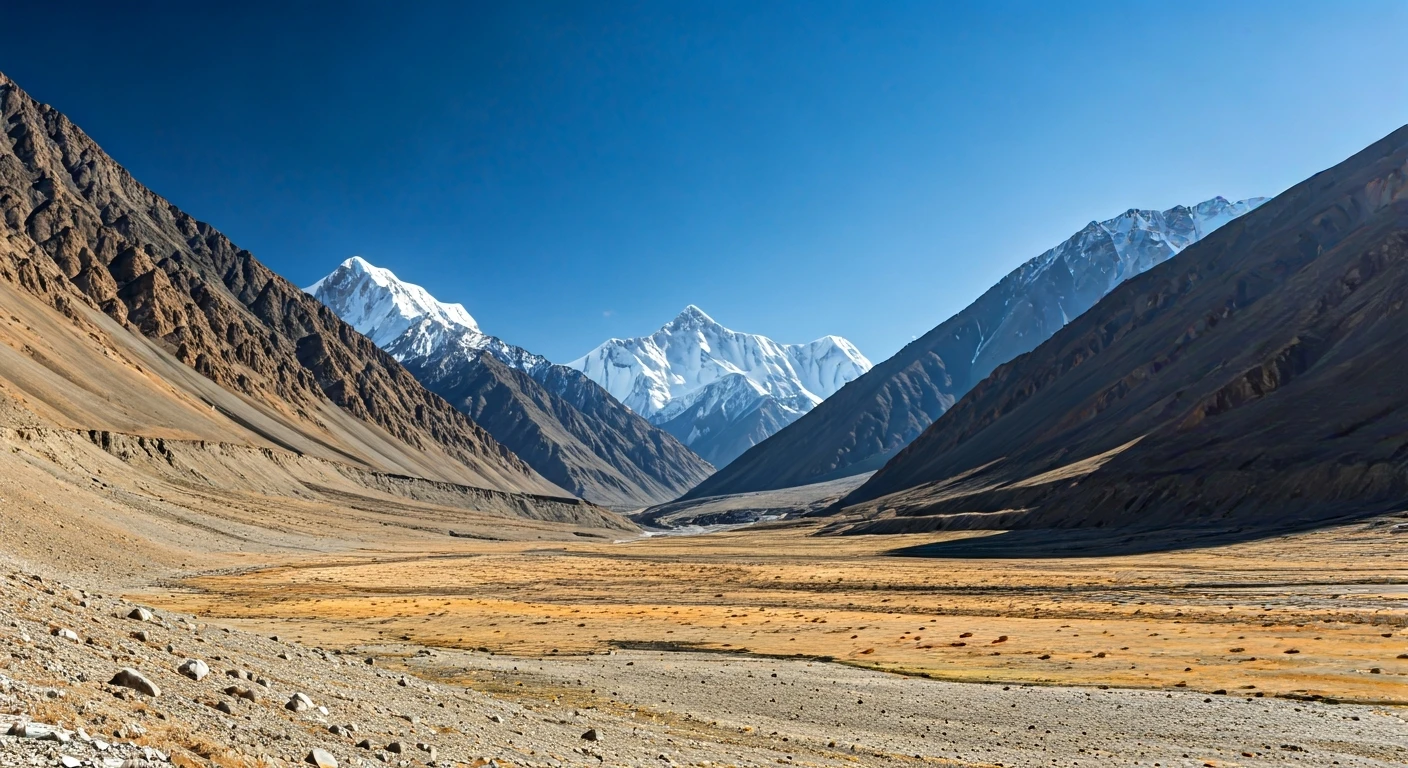
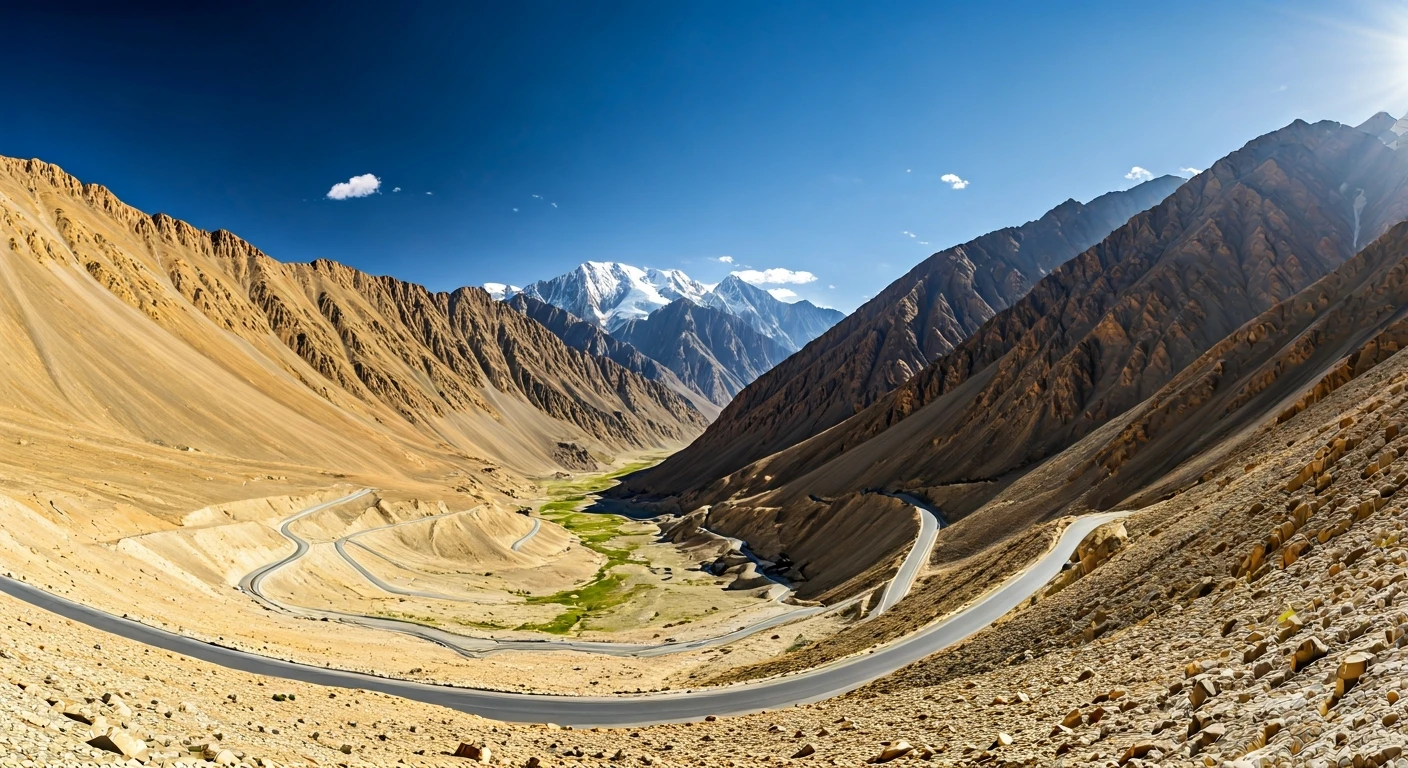
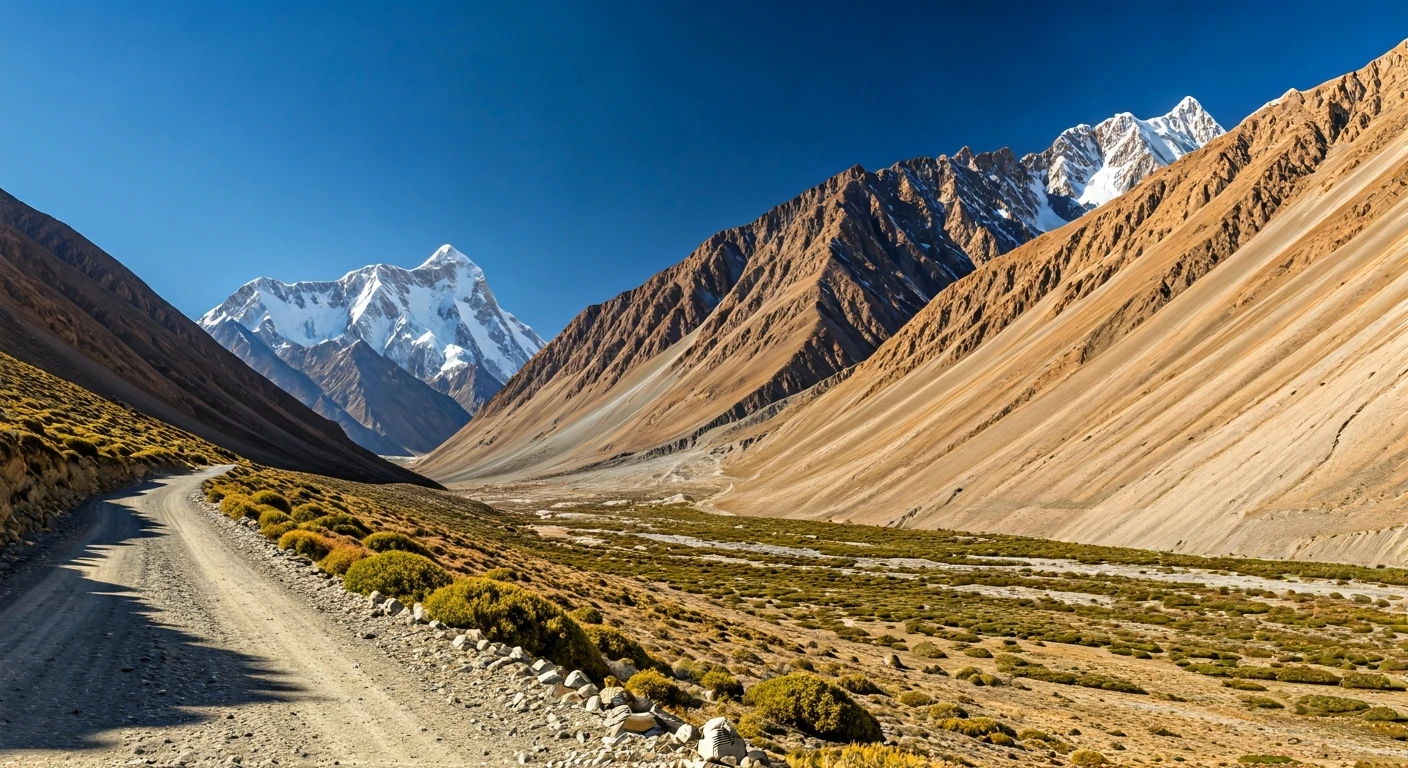
Forget lush green hillsides. Spiti Valley, tucked away in the Indian state of Himachal Pradesh, is a high-altitude cold desert where nature has sculpted a masterpiece in shades of brown, grey, and ochre. Its name translates to "The Middle Land," a fitting
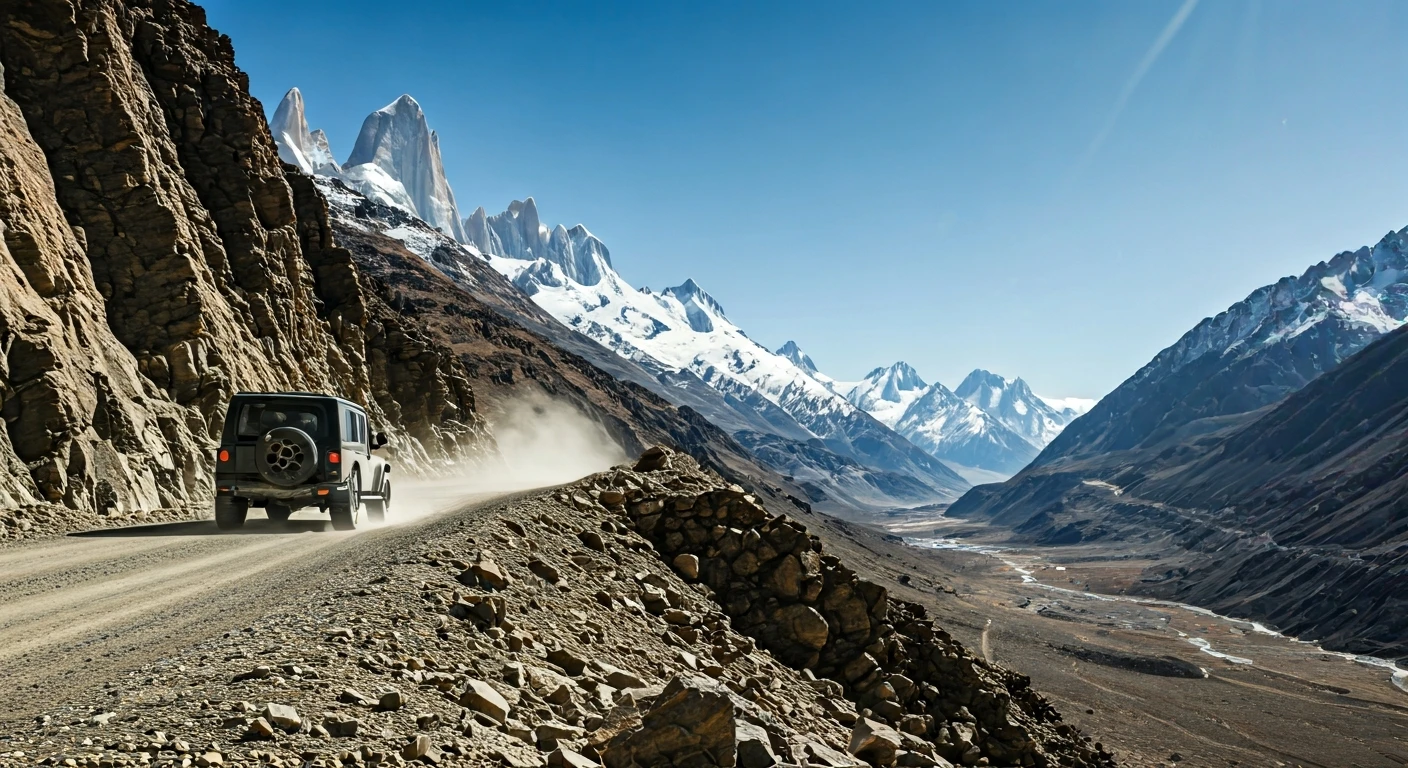
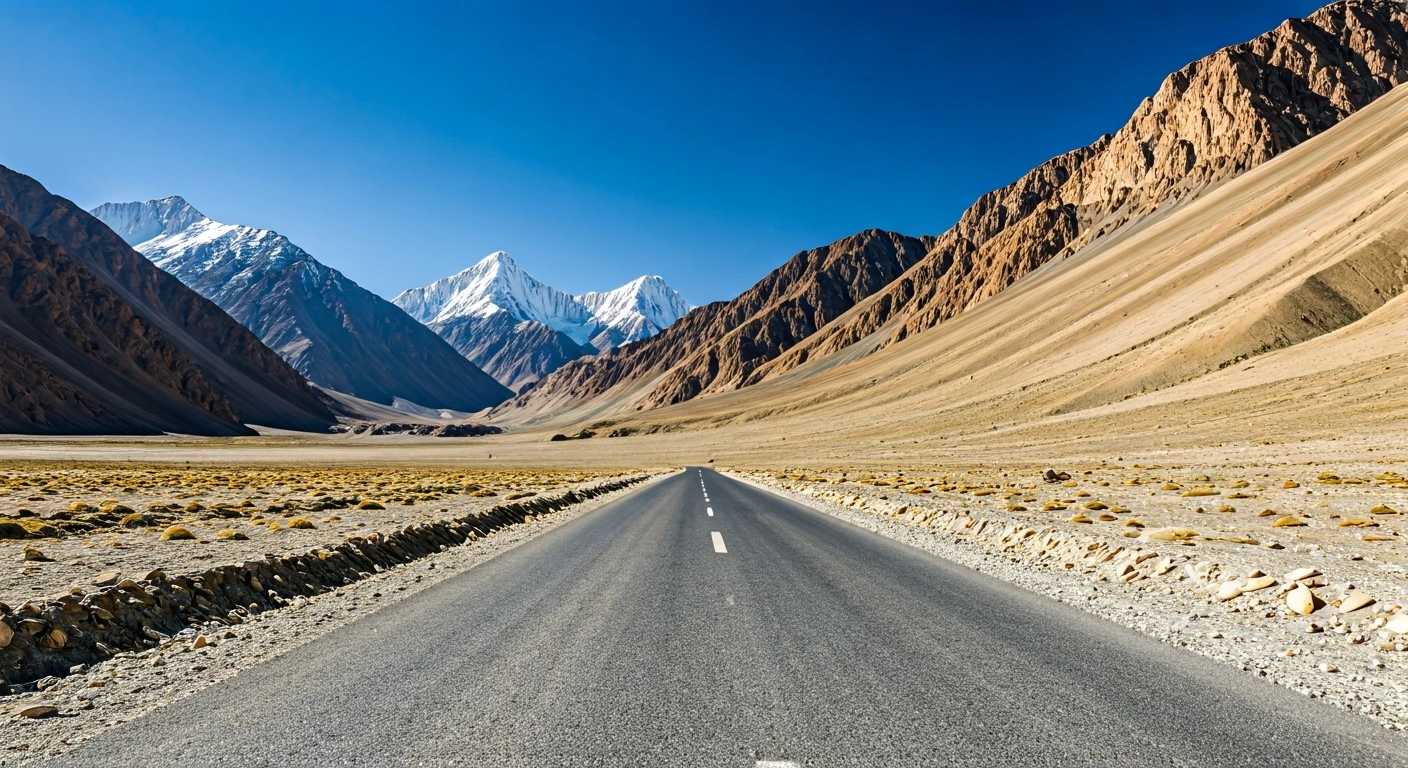
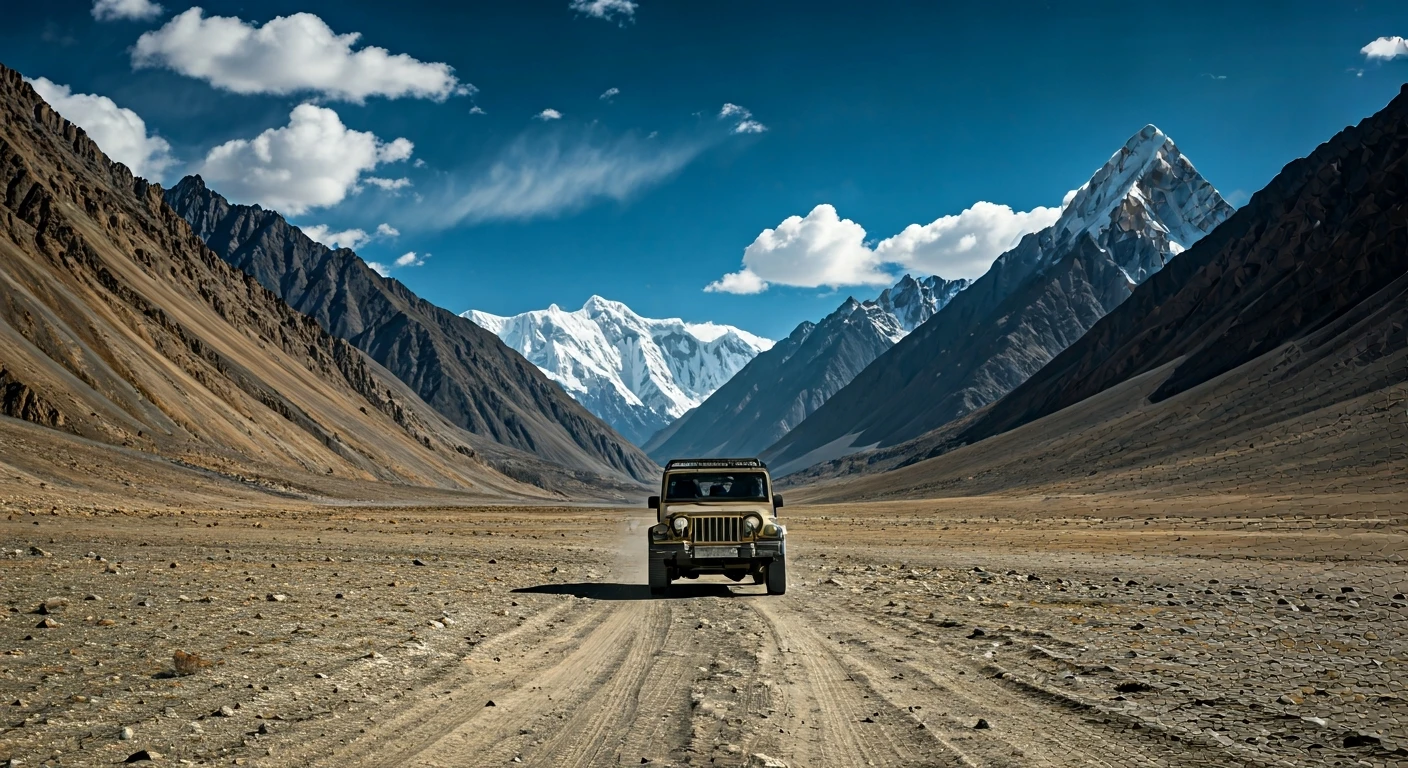
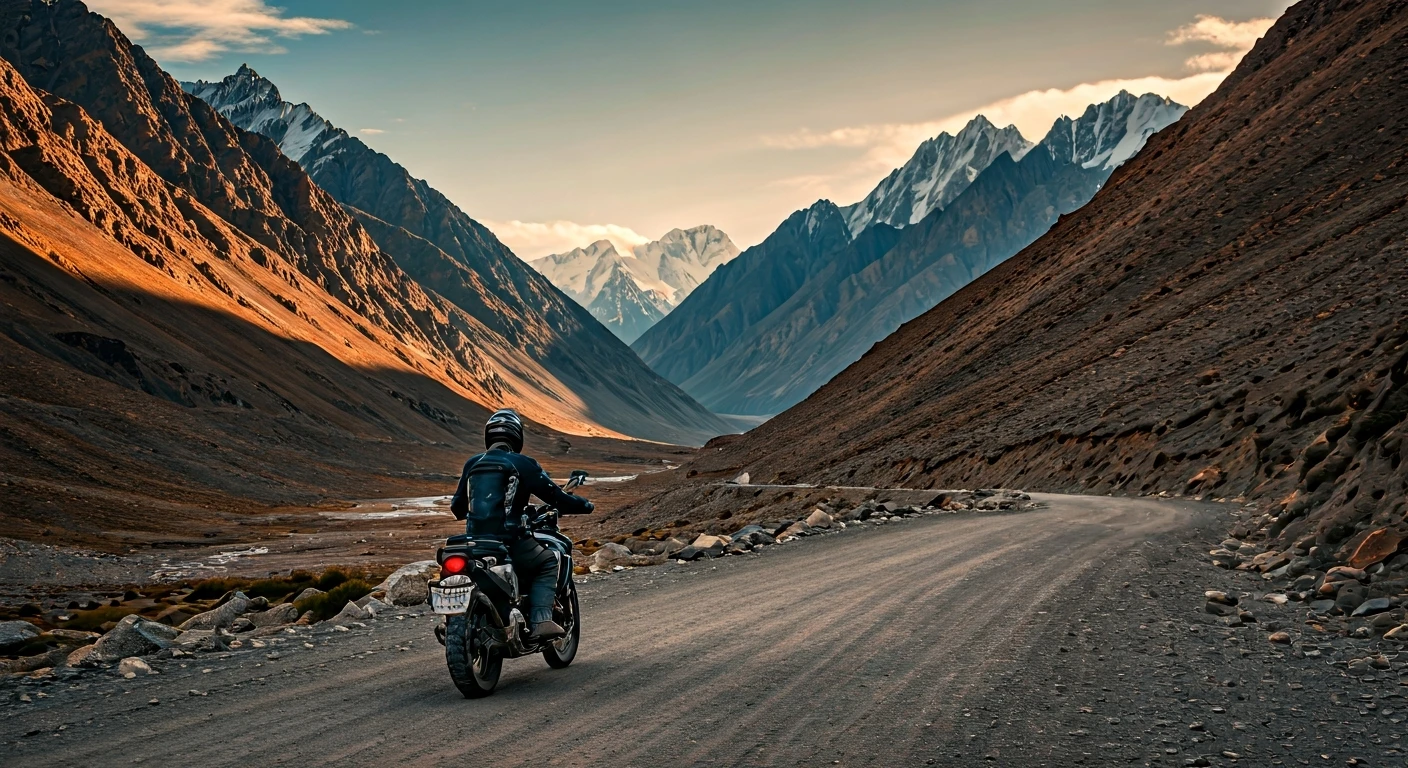
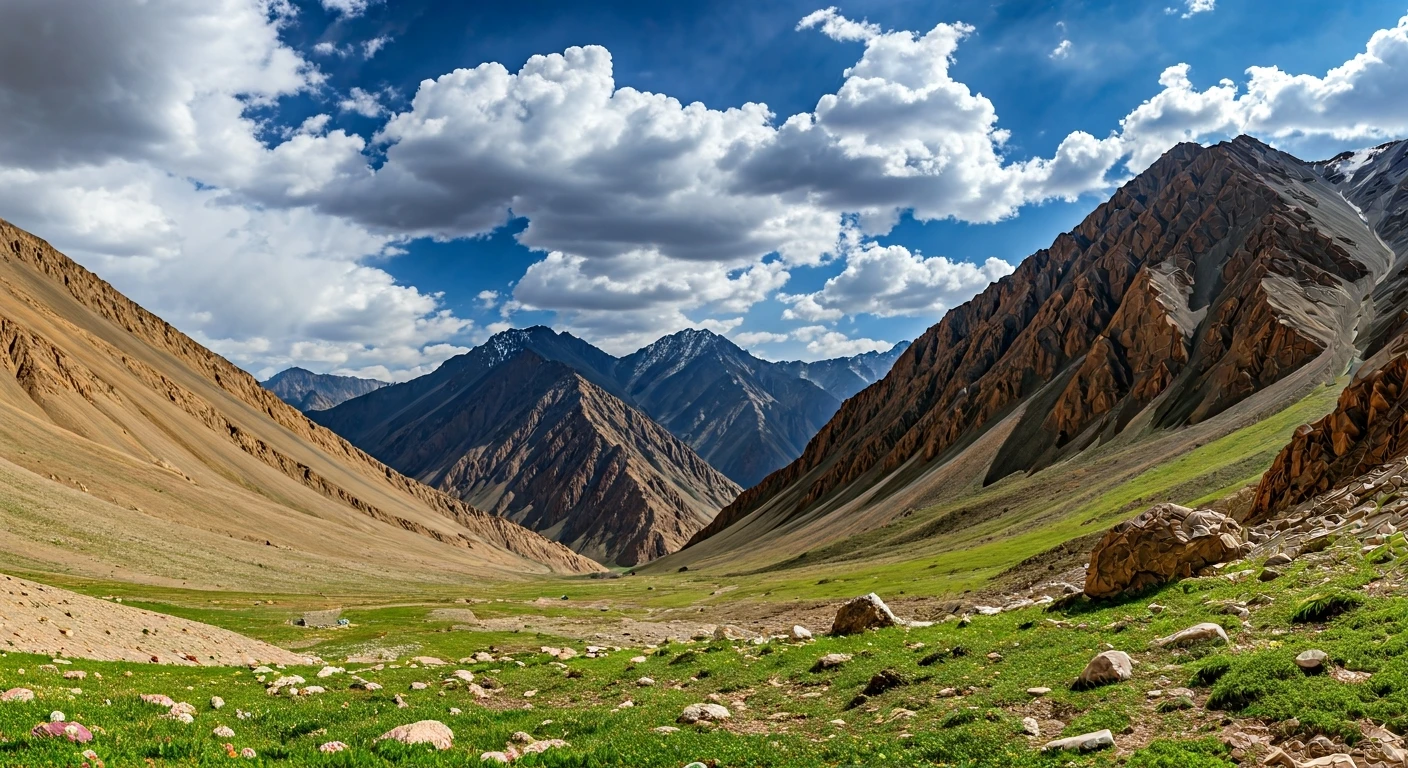
title for a place that feels suspended between the earth and sky, and culturally between India and Tibet. At an average elevation of over 12,500 feet, this is a world of stark, breathtaking landscapes. Jagged peaks claw at impossibly blue skies, while ancient rivers have carved deep gorges through the barren terrain. The beauty here isn't gentle; it's raw, powerful, and humbling. It’s this very ruggedness that acts as a filter, attracting travelers who are seeking something more profound than a simple getaway. They come for the challenge, for the solitude, and for the feeling of standing in a place that seems largely untouched by the frenetic pace of modern life.
The Journey as the Main Event
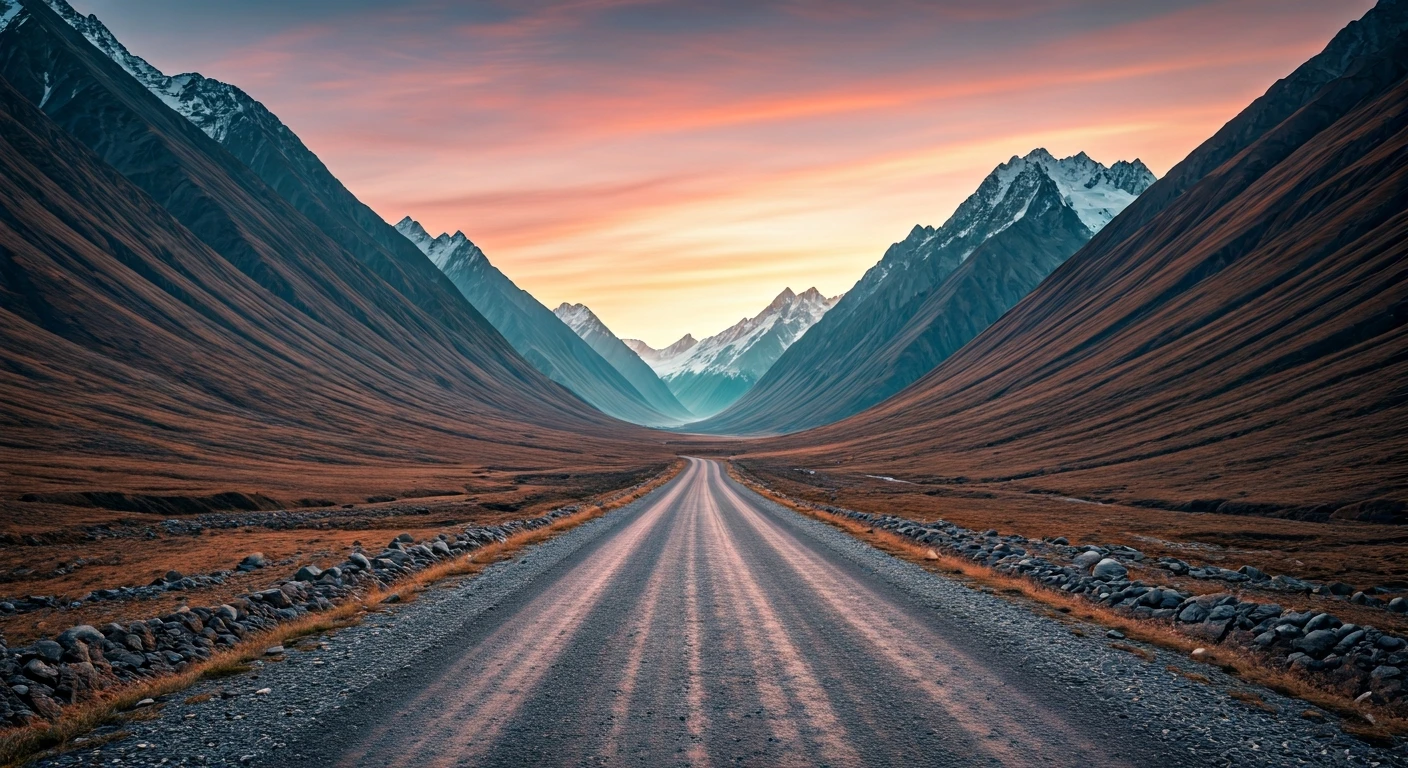
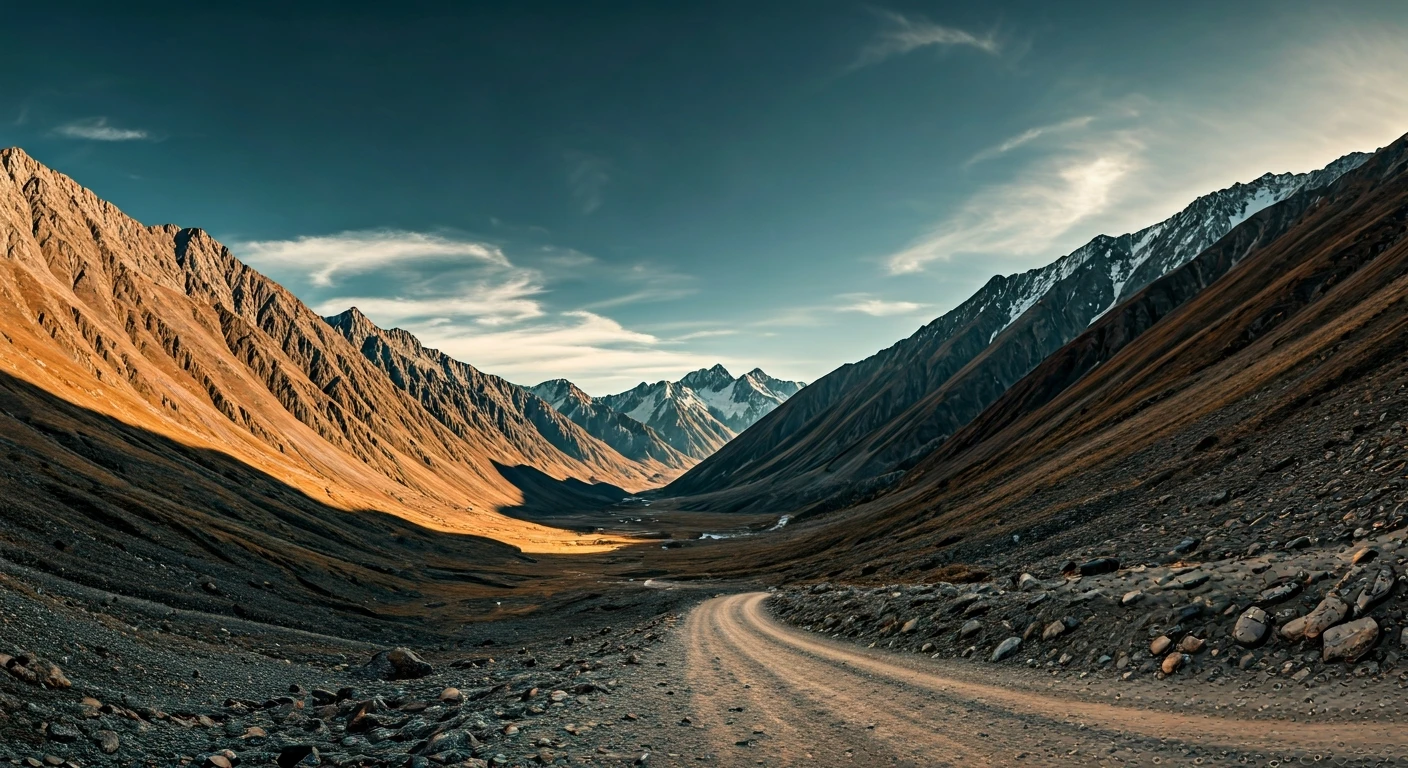
In Spiti, the old cliché holds true: the journey is the destination. For many, the ultimate adventure is conquering the treacherous but spectacular road trip to get there. The most famous route, the Manali-Kaza highway, is a rite of passage. This is not a journey for the faint of heart. It involves navigating dizzying high-altitude passes like Kunzum La (over 14,900 feet), rattling over unpaved roads, and fording glacial melts that turn into rushing streams by afternoon. There are no guardrails, few signs of civilization for hours, and the constant risk of landslides. Yet, for motorbike enthusiasts and 4x4 drivers, this is paradise. Every hairpin turn reveals a more dramatic vista than the last. Every delay is an opportunity to connect with fellow travelers, share stories, and marvel at the sheer audacity of building a road in such an unforgiving environment. Surviving this journey isn't just about getting from point A to B; it's an achievement that earns you the right to experience Spiti's wonders.
Monasteries Suspended in the Sky
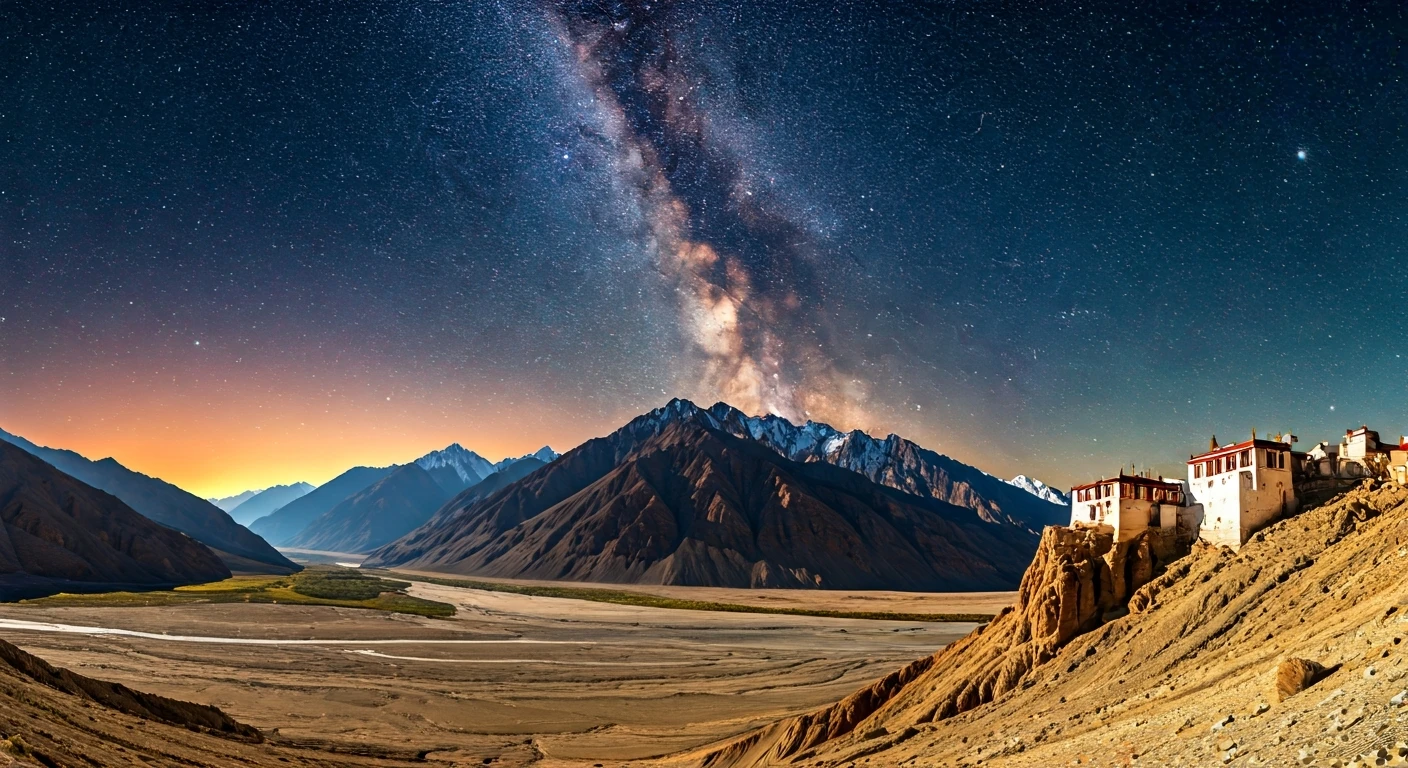
Spiti is as much a spiritual landscape as a physical one. It is a bastion of Vajrayana Buddhism, and its ancient monasteries seem to grow organically from the cliffsides. The most iconic of these is the Key (or Kye) Gompa, a sprawling complex of white-washed buildings stacked precariously on a conical hill, looking like a real-life version of a fantastical fortress. Then there’s the Tabo Monastery, a UNESCO World Heritage site often called the "Ajanta of the Himalayas" for its stunning, thousand-year-old murals preserved in dark, atmospheric prayer halls. Visiting these places involves more than just sightseeing. It's about stepping into a world of quiet contemplation, where the air hums with the sound of chanting monks and the scent of juniper incense. Adventure here takes a different form—it’s the internal journey of finding stillness in a vast and powerful place.
An Adventure for the Soul
While the road trip is legendary, Spiti offers a spectrum of adventures. Trekkers find their bliss on trails that lead to high-altitude lakes like the crescent-shaped Chandratal, or through the remote Pin Valley National Park, home to the elusive snow leopard. Stargazing in Spiti is a profound experience; with zero light pollution, the Milky Way arcs across the sky in a brilliant, dazzling display. But perhaps the most meaningful adventure is connecting with the Spitian people themselves. Staying in a local homestay offers an unfiltered glimpse into a resilient and warm culture. Sharing a cup of butter tea with a family in a village like Langza, watched over by a giant Buddha statue, you begin to understand the deep connection between the people, their faith, and this formidable land. This is the kind of travel that changes you, that strips away the non-essential and leaves you with a renewed sense of perspective.