




The Performance of Serenity
Unlike the grunting, weight-slamming catharsis of a CrossFit box or the breathless sprints of a spin class, a Pilates session is a study in quiet control. The soundtrack is often a low-key house beat, not a stadium anthem. The effort is internal, focused
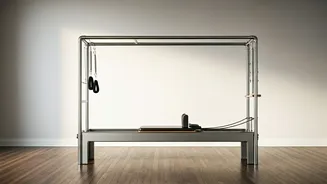
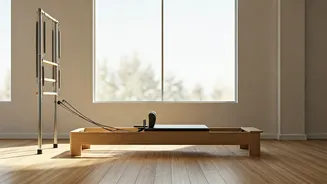
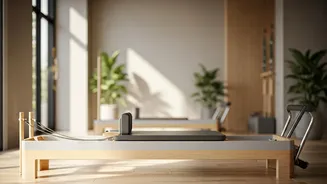
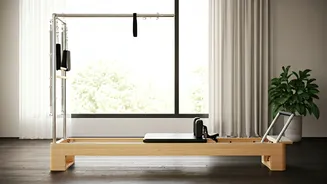
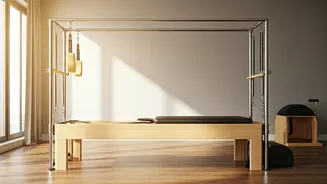
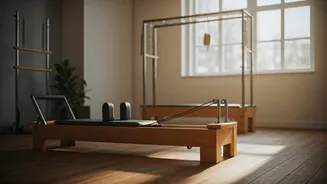
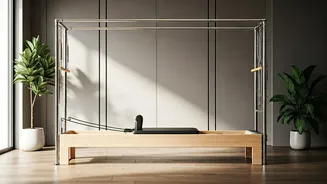
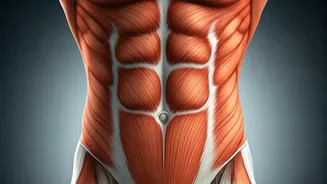
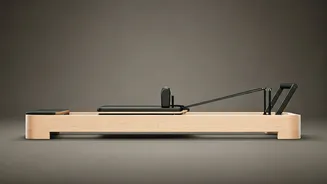
on activating deep, stabilizing muscles you barely knew you had. Instructors speak in calm, encouraging tones, guiding you through micro-adjustments on the formidable-looking reformer machine—a sliding carriage rigged with springs, straps, and pulleys that looks like a chic medieval stretching device. This is where the “calm” comes from. It’s an exercise in precision over power, stability over brute force. The goal isn’t to lift heavier but to move better. The burn is real, often arriving as a deep, trembling exhaustion in your core, but it’s a silent burn. This curated peacefulness is a core part of the product. It suggests that strength doesn’t have to be loud or aggressive; it can be graceful, poised, and executed with a placid expression.
The High Cost of Control
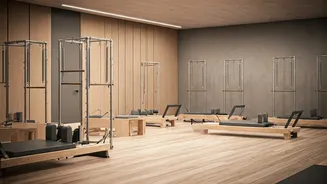
This serene strength comes at a price. In major U.S. cities, a single group reformer class can easily cost $35 to $50, with private sessions running well into the triple digits. The spaces themselves are designed to feel exclusive, with minimalist decor, flattering lighting, and amenities that feel more like a spa than a gym. This boutique model has positioned Pilates not just as a workout, but as a luxury service—an investment in a certain kind of body and lifestyle.
Then there’s the wardrobe. The unofficial uniform consists of matching sets from high-end athleisure brands like Alo Yoga and Lululemon, paired with grippy socks that can cost more than a T-shirt. This “Pilates princess” aesthetic, popularized on TikTok, reinforces the idea that participation requires not just physical commitment but also a financial one. It transforms the workout into a visual signal of status, where the exercise itself is intertwined with the performance of affluence.
From Gritty Rehab to Glossy Lifestyle
It wasn’t always this way. The practice, originally named “Contrology,” was developed by Joseph Pilates in the early 20th century. A German boxer and gymnast, he created his system to rehabilitate fellow internees in a camp on the Isle of Man during World War I, famously using springs from hospital beds to create resistance for the bedridden. Later, in his New York City studio, he worked with boxers, athletes, and dancers like Martha Graham and George Balanchine to build core strength and recover from injuries.
The original intent was functional, even gritty. It was about building a resilient, uniformly developed body. The transformation from a rehabilitative tool for elite performers into a mainstream luxury good for the wellness-obsessed is a distinctly 21st-century phenomenon, accelerated by celebrity culture and the visual world of social media.
The Celebrity Endorsement Effect
You can’t talk about modern Pilates without mentioning its celebrity disciples. Figures like Hailey Bieber, Kendall Jenner, and Lori Harvey are frequently photographed leaving classes, turning a simple workout into a paparazzi-worthy event. Their long, lean physiques have become synonymous with the “Pilates body,” an aspirational ideal that drives countless people to sign up for classes. When these stars post videos of their workouts, they aren’t just sharing a fitness tip; they’re reinforcing the connection between Pilates, beauty, and a high-status lifestyle.
Social media platforms have amplified this a thousandfold. On TikTok, the #pilates hashtag is a universe of aesthetic edits, transformation videos, and tutorials that frame the workout as the key to achieving a specific look. It has become a powerful marketing engine, selling not just a form of exercise but an entire identity built on wellness, discipline, and quiet expense.