


The Rise of a Hybrid Style
First, let’s decode the name. 'Japandi' is a portmanteau of Japanese and Scandinavian, and it’s the design world’s favorite hybrid for a reason. This aesthetic cherry-picks the best from two seemingly distant cultures that share a deep appreciation for minimalism,
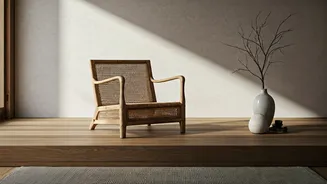
craftsmanship, and natural materials. From the Scandinavian side, you get 'hygge'—that cozy, content feeling found in clean lines, soft textures, and functional simplicity. From Japan, you get 'wabi-sabi'—the art of finding beauty in imperfection, transience, and authenticity. Combined, they create spaces that are intentional and orderly but never feel cold or unlived-in. Think uncluttered rooms, neutral color palettes, natural light, and a profound sense of calm.
Where Brass Fits In
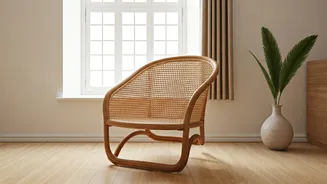
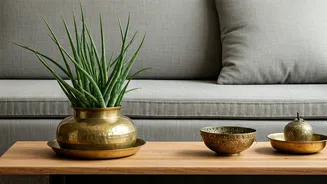
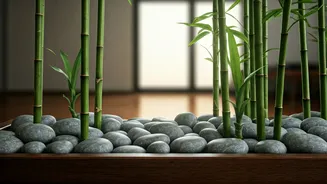
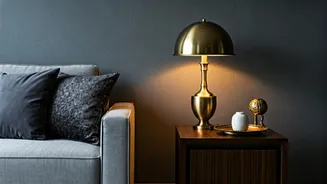
Traditionally, Japandi interiors lean on natural elements like light-toned woods (birch, oak), bamboo, rattan, and paper. Metals, if used at all, are often matte black or subdued steel. So where does polished, gleaming brass come in? It’s the rule-breaking element that elevates the entire aesthetic. While Scandinavian design often favors cooler silvers and chromes, the introduction of brass adds a layer of warmth and sophistication that is both modern and timeless. It acts as a piece of functional jewelry for the home, catching the light and providing a striking contrast against the muted, natural backdrop. This isn't the loud, ornate brass of the 1980s; it’s a strategic, subtle accent used to punctuate the tranquility of the space.
Achieving the Perfect Balance
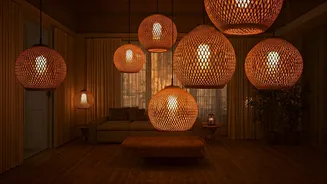
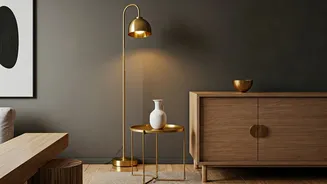
The key to successfully incorporating brass into a Japandi scheme is restraint. Overdo it, and you risk disrupting the serene, minimalist vibe. The goal is to add warmth, not glamour. In modern apartments, this balance is being struck in beautiful, subtle ways. Think of a sleek, unlacquered brass gooseneck faucet over a simple ceramic sink in the kitchen or bathroom. Consider slender brass pulls on handleless, light-oak cabinetry, or a single, sculptural brass floor lamp arching over a low-profile linen sofa. Other popular applications include minimalist brass-framed mirrors, delicate pendant lights, or even the legs of a dark-stained accent chair. Each piece is chosen to stand on its own, providing a point of interest that draws the eye without overwhelming the senses.
Why This Look Resonates Now
The embrace of this warmer, more personalized version of Japandi makes perfect sense in a post-pandemic world. Many people are seeking to make their homes a true sanctuary—a place that is not only organized and functional but also deeply comforting and soulful. Pure, doctrinaire minimalism can sometimes feel impersonal or clinical. The addition of brass injects a touch of personality and history. As it patinas over time, unlacquered brass embodies the wabi-sabi principle of appreciating the beauty of aging and imperfection. It tells a story. This blend creates a home that feels both aspirational and attainable, curated yet comfortable—a perfect reflection of our desire for spaces that are calm, clean, and uniquely our own.