


A Monastery in the Mountains
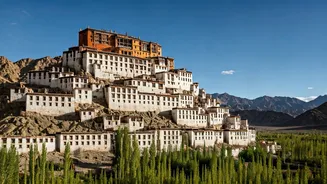
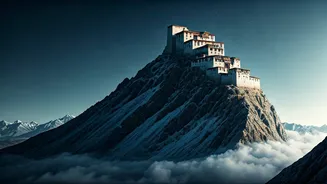
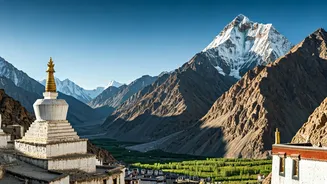
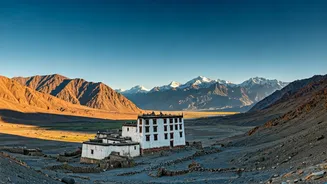
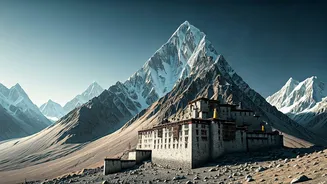
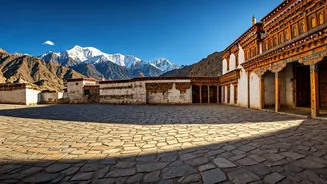
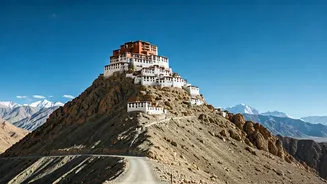
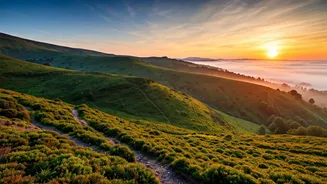
Nestled in a stunning, barren gorge about 25 miles from Leh, the capital of Ladakh, lies the Hemis Gompa. A 'gompa' is a Tibetan Buddhist monastery, and Hemis is the region's largest and wealthiest. Founded in the 17th century, this spiritual fortress
is a world away from the hustle of modern life. For most of the year, it is a place of quiet contemplation for the resident monks of the Drukpa lineage. But for two days each summer, its sprawling courtyard explodes into a riot of color, sound, and sacred motion for the Hemis Festival, drawing devotees and curious travelers from across the globe.
Honoring a Second Buddha
At its heart, the festival is a birthday party, albeit one of profound religious importance. It celebrates the birth of Guru Padmasambhava, also known as Guru Rinpoche. Revered as a 'second Buddha,' he is credited with establishing Tantric Buddhism in Tibet and the surrounding Himalayan regions in the 8th century. The festival's purpose is twofold: to honor his life and mission, and to spiritually charge the land and its people. The event is scheduled according to the Tibetan lunar calendar, typically falling in June or July, and is believed to bestow spiritual strength and good health upon all who witness it.
The Spectacle of the Chaam Dance
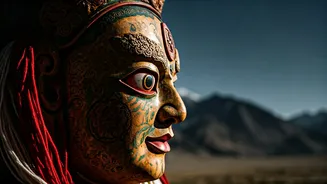
The undeniable highlight of the Hemis Festival is the 'chaam'—a series of elaborate, masked dances performed by the monastery's monks. These are not performances in the Western sense; they are deep, meditative rituals. Each mask represents a specific deity, demon, or mythological figure from the Buddhist pantheon. As the monks dance in slow, deliberate, circling patterns, they are understood to be channeling these divine energies. The dances depict the epic struggle between good and evil, the subjugation of malevolent spirits, and the liberation of the soul. The sight of these larger-than-life figures, clad in magnificent silk brocade costumes, moving to the rhythm of ancient instruments, is an unforgettable spectacle.
An Orchestra of Ancient Sounds
The chaam dances are accompanied by a unique and powerful orchestra. The dominant sound is the bellowing of the dungchen, the 10-foot-long copper horns that require immense lung power to play. Their deep, rumbling tones are punctuated by the clash of cymbals, the steady beat of large drums, and the piercing notes of smaller wind instruments. This is not music meant for casual listening. Each sound has a specific purpose—to invoke deities, to mark transitions in the ritual, and to focus the mind of the participants and the audience. The cacophony is both jarring and hypnotic, creating an atmosphere that feels truly otherworldly.
More Than Just a Show
For the people of Ladakh, Hemis is far more than a tourist attraction. It is a vital social and religious gathering. Families dress in their finest traditional attire, and the event serves as a marketplace, a meeting point, and a collective prayer. For the monks, preparing for and performing the chaam is an intense spiritual practice that can take years to master. For the visitor, it offers a rare window into a living tradition that has remained largely unchanged for hundreds of years. The festival is a reminder that in some corners of the world, faith is not just a belief, but a vibrant, communal, and deeply sensory experience.