
So, What Exactly Is Millet?
First, let's clear up a common misconception. Millet isn't a single type of grain. The term refers to a group of small-seeded grasses that have been cultivated for thousands of years across Africa and Asia, serving as a food staple long before wheat or rice
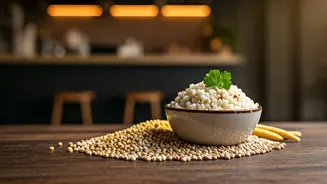
became dominant. While it's often used in birdseed in the U.S., the varieties intended for human consumption are delicious, versatile, and packed with nutrients. Think of it less as one specific ingredient and more as a category, similar to squash or lentils. The most common variety you'll find in American grocery stores is pearl millet, which has a mild, slightly nutty flavor that makes it an excellent canvas for other ingredients.
The Modern Wellness Appeal
The resurgence of millet is driven by its impressive health profile. For starters, it's naturally gluten-free, making it a fantastic alternative for those with celiac disease or gluten sensitivities. But its benefits go much further. Millet is a good source of dietary fiber, which aids in digestion and helps you feel fuller longer. It's also rich in essential minerals like magnesium, which plays a role in everything from muscle function to blood sugar control, as well as phosphorus and manganese. Compared to other common grains, it holds its own as a source of plant-based protein, making it a valuable addition to vegetarian and vegan diets. Its low glycemic index means it releases sugar into the bloodstream more slowly than refined grains, providing more sustained energy.
Making Millet in Your Kitchen
Intimidated by a new grain? Don't be. If you can make rice, you can make millet. The basic ratio is one part millet to two parts liquid (water or broth). Simply bring the liquid to a boil, add the millet, reduce the heat to a simmer, cover, and cook for about 15-20 minutes, or until the liquid is absorbed. For a fluffier, rice-like texture perfect for grain bowls or side dishes, toast the dry millet in a pan for a few minutes before adding the liquid. For a creamier, porridge-like consistency ideal for breakfast, use a bit more liquid (a 1:3 ratio) and stir it occasionally as it cooks, much like polenta. It readily absorbs the flavors it's cooked with, so don't be shy with herbs, spices, and savory broths.
Simple Ways to Use Millet
Once you've cooked a basic batch, the possibilities are endless. Its mild flavor makes it a perfect team player in a wide variety of dishes.
* **As a Breakfast Porridge:** Top creamy millet with fresh fruit, nuts, seeds, and a drizzle of maple syrup or honey.
* **In a Grain Bowl:** Use fluffy millet as a base for your favorite roasted vegetables, proteins, and a flavorful dressing.
* **As a Side Dish:** Serve it plain or seasoned as a healthier substitute for white rice or couscous alongside curries, stews, or grilled meats.
* **In Salads:** Let cooked millet cool and toss it into salads for added texture and substance.
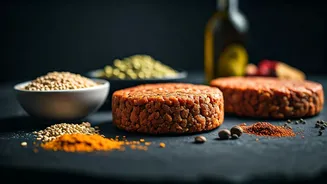
* **To Make Veggie Burgers:** It acts as an excellent binder for homemade plant-based patties.
Spotting Millet on the Menu
Beyond the home kitchen, millet is increasingly being embraced by chefs and café owners. You might find it featured in morning porridge bowls, grounding hearty lunch salads, or served as a sophisticated side dish at dinner. Some innovative bakeries and restaurants are even using millet flour—which has a delicate, slightly sweet taste—in gluten-free breads, muffins, and pancakes. When you see it on a menu, it’s a sign that the chef is focused on flavor, texture, and nutrition. Don't hesitate to give it a try; it’s a great way to experience the grain’s potential before you commit to cooking it at home.