




The Great Indian Burnout
India's booming metropolises are engines of ambition, home to millions of highly educated professionals in tech, finance, and creative industries. But this relentless drive comes at a cost. Long hours, intense competition, and a culture that often blurs
the line between work and life have created a perfect storm for professional exhaustion. The phenomenon isn't new, but the post-pandemic era, with its remote work complexities and heightened stress, has pushed burnout from a chronic issue to an acute crisis for many urban Indians. The digital fatigue is palpable, leading a generation to question whether the hustle is worth the price and to actively seek an off-ramp, even a temporary one.
More Than Just a Vacation
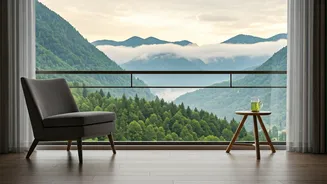
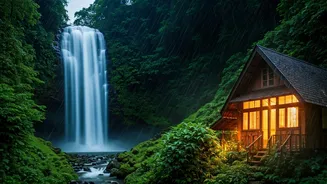
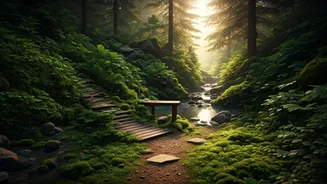
The answer isn't another frantic, box-ticking holiday. Instead, a new travel category is emerging: the boutique nature break. This isn't about five-star hotel chains or crowded beaches. It’s a deliberate move toward something smaller, slower, and more meaningful. Think eco-lodges with a dozen rooms, luxury farm stays where you can learn about sustainable agriculture, or secluded forest cabins that encourage a digital detox. The 'boutique' element signifies a focus on unique design, personalized service, and a curated experience that connects guests to the local environment and culture. The goal is not just to see a new place, but to feel restored by it—to trade screen time for birdsong and deadlines for sunsets.
Where Nature Meets Nurture
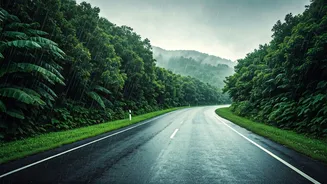
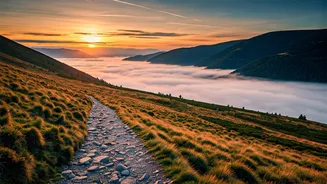
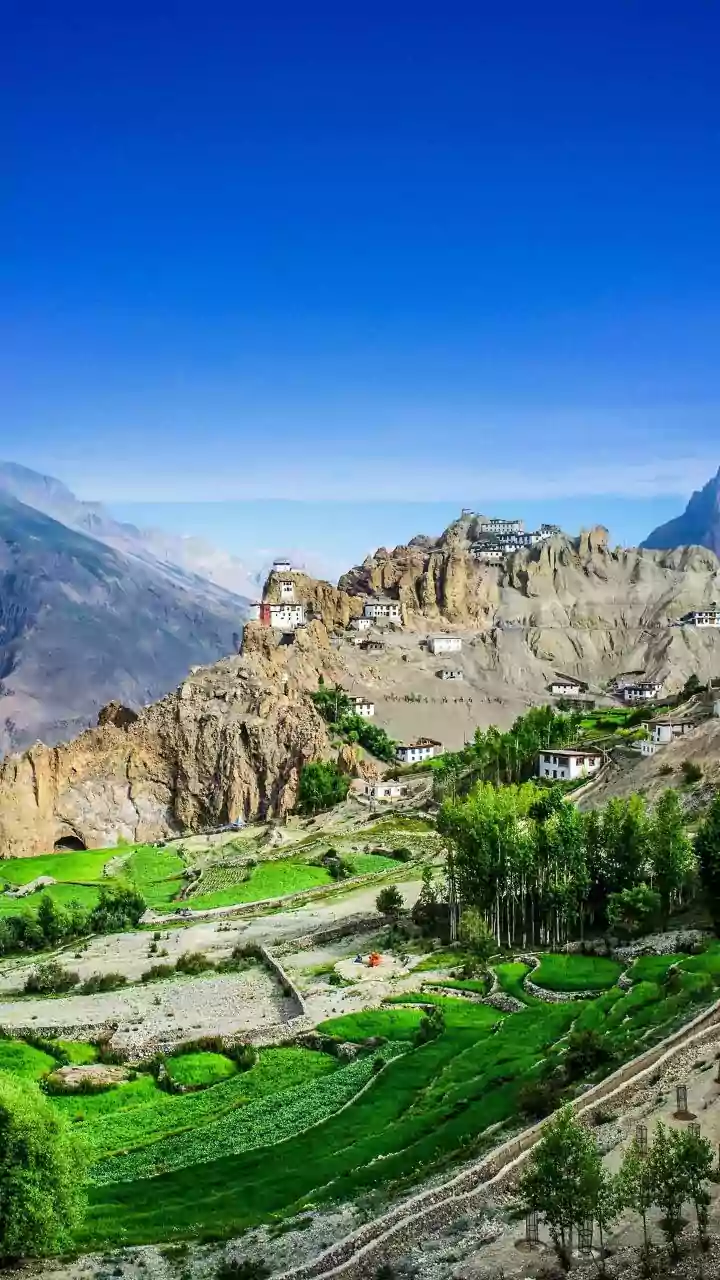
These escapes are cropping up across India’s diverse landscapes. In the misty hills of the Western Ghats, one might find a resort built around a spice plantation, offering ayurvedic treatments and yoga overlooking lush valleys. In the Himalayan foothills of Uttarakhand, travelers can stay in architecturally unique cottages with panoramic mountain views, spending their days on silent hikes and evenings by a fire. Down south in Kerala, you might find a tranquil hideaway on the backwaters, accessible only by boat, where the rhythm of the day is set by the water and the local fishermen. These are not passive experiences; they are immersive. The luxury isn't in gold taps but in the silence, the fresh, locally sourced food, and the feeling of being truly removed from the pressures of modern life.
A Blueprint for American Burnout?
While the context is Indian, the narrative is strikingly familiar to many Americans. The pressures of Silicon Valley, the grind of Wall Street, and the general 'always-on' mentality of U.S. work culture create the same deep-seated need for genuine rest. The Indian trend offers a compelling model for what a meaningful escape can look like. It’s a step beyond simply 'getting away' or camping. It suggests a more intentional approach focused on curated restoration. It champions small, independent operators who offer an authentic connection to a place, a philosophy that resonates with Americans increasingly seeking sustainable and experience-driven travel. This isn't about cultural appropriation but about shared inspiration—recognizing that the antidote to a global problem might be found in small, quiet places, thoughtfully designed to help us reconnect with ourselves and the natural world.