



Start with Indestructible Floors
The first rule of pet-friendly design is to address the ground floor. While American homes often favor carpet or hardwood, many Indian urban apartments and traditional homes use tile or stone, like Kota or marble. This isn't just for cooling in a hot
climate; it's a masterclass in durability. Hard, non-porous surfaces are scratch-resistant, impervious to accidents, and incredibly easy to clean. A quick wipe removes shed fur and muddy paw prints, a constant challenge during monsoon season. For homeowners who love the warmth of wood, modern engineered hardwood or luxury vinyl tile (LVT) offers the same aesthetic with far greater resilience against claws and spills, making it a perfect compromise.
Choose Fabrics That Forgive
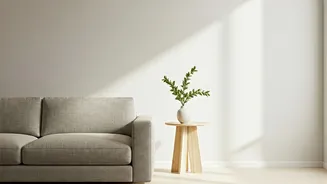
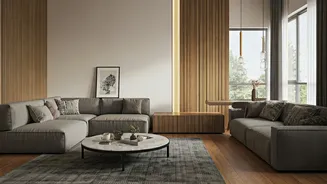
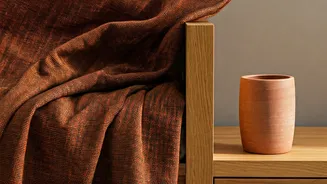
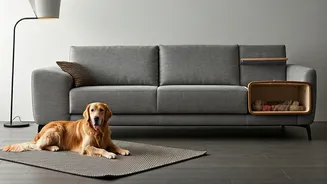
That beautiful velvet sofa? It’s a magnet for pet hair. Indian designers are increasingly guiding clients toward smarter upholstery choices. Think less about delicate silks and more about robust materials. Tightly woven fabrics, performance velvets, and microfiber are excellent because they don’t snag easily and hair can be brushed off. Leather and its high-quality vegan counterparts are also fantastic, as they can be wiped clean and develop a patina that hides minor scratches. Another trick is to use removable, washable covers for sofas and chairs. This simple, practical solution means you don't have to sacrifice style for the sake of cleanliness.
Integrate Dedicated Pet Zones
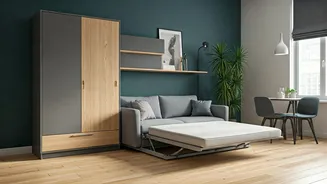
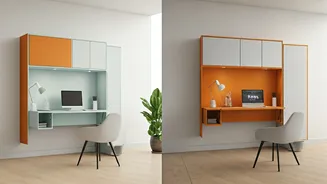
A pet shouldn't be an afterthought in a well-designed space. In the compact apartments of Mumbai or Bangalore, every square foot counts. Designers are getting creative by building pet needs directly into the home's architecture. This can mean a recessed nook under a staircase for a dog bed, a feeding station built into the kitchen island cabinetry, or a discreetly integrated litter box area in a laundry room with its own ventilation. Creating these designated spots not only keeps pet clutter contained but also gives your animal a sense of security and belonging. It elevates their gear from an obstacle into a seamless part of the home.
Rethink Your Walls and Finishes
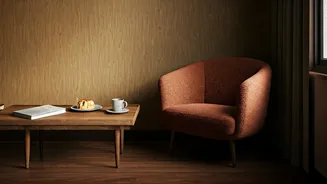
Walls take a surprising amount of abuse from pets, from a dog shaking off rain to a cat using a corner as a scratching post. Textured wallpapers are a definite no-go, as they invite clawing and are difficult to repair. Instead, opt for a satin or semi-gloss paint finish, especially in high-traffic areas like hallways and entryways. These sheens are more durable and far easier to wipe down than a matte finish. For furniture, choose pieces with solid wood or metal legs instead of upholstered bases, as they are less appealing for scratching and create an airy look that makes it easier to spot and clean fugitive dust bunnies.
Create a “Paw Spa” Entryway
The concept of a mudroom is a lifesaver for any pet owner. In India, where monsoon rains can turn a quick walk into a messy affair, having a designated transition zone is essential. You don’t need a whole room; a small area by the door can be transformed into a “paw spa.” All it takes is a durable, water-resistant mat, a hook for towels and leashes, and a small bench or storage ottoman containing wipes and a water spray bottle. This ritual of cleaning paws upon entry prevents dirt and allergens from being tracked through the house, keeping your entire living space cleaner and healthier for everyone.
Don’t Forget Vertical Space and Airflow
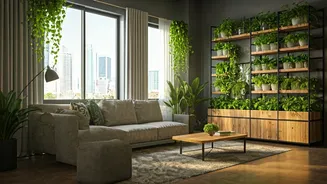
For cat owners, the world is a jungle gym. Smart design leverages vertical space to keep felines happy and entertained without cluttering the floor. Floating shelves arranged as a climbing path, tall cat trees, or window perches provide stimulation and a safe retreat. Good ventilation is another non-negotiable. In any climate, pets can contribute to household odors. Ensuring good cross-breeze potential, using air purifiers, and choosing easy-to-clean bedding all contribute to a home that smells fresh, not funky. It's a simple consideration that makes a massive difference in the shared comfort of a multi-species household.