







The Search for Authenticity
At its core, the shift away from LinkedIn’s formal structure is about Gen Z’s preference for authenticity. Raised on the internet, this generation is fluent in the language of visual storytelling and personal branding. LinkedIn, with its template-like
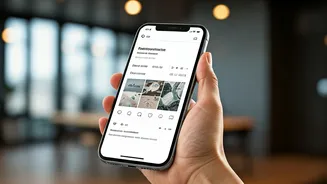
profiles and often-stilted corporate-speak, can feel like putting on an ill-fitting suit. It’s a platform designed for a version of professionalism that many younger workers find rigid and impersonal. Instagram, by contrast, allows for a more holistic presentation of self. It’s a place where a graphic designer can show their work, a baker can display their creations, and a consultant can share insights through compelling visuals and casual video. For Gen Z, a career is an integrated part of their identity, not a separate, sanitized persona. They want to connect with the people behind the job titles, and Instagram provides that multi-dimensional view.
The 'Vibe Check' Network
While LinkedIn operates on formal connections and endorsements, Instagram thrives on something more intuitive: the “vibe check.” Before applying for a job or collaborating with someone, a Gen Z professional is likely to check out their Instagram profile. It’s not about snooping; it’s about due diligence. Does this person’s aesthetic match their claimed skills? Do they seem creative, professional, and collaborative? Do the company’s leaders post content that reflects the values they advertise? This visual and cultural screening has become a crucial, informal step in the career process. A curated Instagram grid, a well-crafted bio with a “link in bio” pointing to a portfolio, and thoughtful engagement on others' posts all function as a dynamic, living resume. Direct messages (DMs) have also replaced the cold email for many, offering a lower-stakes way to network, ask for advice, or pitch a collaboration.
Show, Don't Just Tell
LinkedIn’s format is fundamentally built on text—summaries, job descriptions, and skills listed in plain format. This works well for traditional roles but can be limiting for the growing number of creatives, freelancers, and entrepreneurs in the Gen Z workforce. Instagram’s visual-first platform is purpose-built to *show* expertise rather than just state it. A UX designer can post carousels breaking down a design problem, a fitness coach can share workout videos, and a writer can use Stories to workshop ideas with their followers. This creates a portfolio that is constantly updated and engaged with by a community. It turns a static list of accomplishments into an active demonstration of skill, building credibility and attracting opportunities organically from people who are already invested in their work.
How Companies Are Adapting
This trend isn't just about individual behavior; it’s forcing employers and recruiters to evolve. Smart companies are realizing that to attract top Gen Z talent, they can't rely solely on LinkedIn job postings. They need a presence where their target candidates are spending their time. This means building an authentic employer brand on Instagram, showcasing company culture through employee takeovers on Stories, and using the platform to highlight projects and people. Some recruiters have even started sourcing candidates directly through Instagram, sliding into the DMs of promising individuals who have built a strong personal brand in their niche. While this approach requires more finesse than a simple InMail, it allows recruiters to connect with talent on a more personal level.