






More Than a Chef’s Toque
For decades, a “food career” conjured a specific image: a grueling, fast-paced life in a restaurant kitchen, chasing Michelin stars under the command of a fiery head chef. While that path still exists, it's no longer the only—or even the most appealing—option
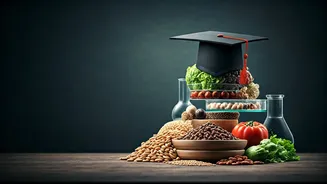
for a new generation. Today’s aspiring food professionals are just as likely to be found in a laboratory, a marketing boardroom, a vertical farm, or behind a camera. Universities and culinary institutes are seeing a surge of interest in programs that reflect this new, expanded definition. Students aren’t just signing up for knife skills and French mother sauces; they're enrolling in food science, hospitality management, agribusiness, nutrition policy, and food-focused journalism programs. This shift signals a broader cultural understanding that food is a nexus point for culture, business, science, and social change.
The 'Chef's Table' Effect
So what’s fueling the fire? Look no further than your streaming queue and social media feed. The immense popularity of shows like Netflix's “Chef’s Table” and “Salt Fat Acid Heat” has done for food what “The West Wing” did for political science. These productions elevated chefs from kitchen technicians to intellectual storytellers and entrepreneurs. They present food not just as sustenance, but as a medium for artistic expression, cultural preservation, and scientific inquiry. This high-gloss portrayal has made the industry intellectually and creatively aspirational. Simultaneously, social media has democratized food expertise. TikTok and Instagram are filled with food influencers who have built entire careers—and substantial incomes—on everything from 30-second recipe videos to deep dives on fermentation. They've shown millions of young people that a passion for food can be a viable, modern, and even glamorous profession, entirely outside the traditional restaurant hierarchy.
From Farm-to-Table to Lab-to-Table
Perhaps the most significant driver of this trend is the growing recognition that the food system is facing monumental challenges. Issues like climate change, food waste, and global food security are now front-page news. This has attracted a cohort of mission-driven students who want their careers to have a tangible impact. They see food as a lever for change, and they’re flocking to programs that can give them the tools to pull it. Food science departments at universities like UC Davis and Cornell are no longer niche corners of the campus; they are bustling hubs of innovation. Students are working on developing sustainable proteins, creating new methods for reducing food spoilage, and engineering crops that are more resilient to drought. This isn't about creating the perfect béchamel; it’s about using science and technology to build a better, more sustainable food future. This pivot from culinary arts to food systems thinking is attracting a different kind of student—one who might have previously pursued engineering or environmental science.
A Degree That Feeds the Soul (and the Bank Account)
Of course, passion is only part of the equation. Students and their parents want to know if these degrees lead to stable, well-paying jobs. While the notoriously tough restaurant business still offers thin margins and high burnout rates, the career outlook in the broader food industry is surprisingly robust. The U.S. Bureau of Labor Statistics projects steady growth for food scientists and technologists, who are in high demand at large consumer packaged goods companies and nimble startups alike. The explosion of ghost kitchens, meal kit services, and direct-to-consumer food brands has created a host of new roles in logistics, marketing, and operations. There's also a growing need for food policy experts in government and non-profits, and for content creators who can communicate complex food issues to the public. For today's graduates, a food degree is less about landing a single job and more about gaining a versatile skill set that can be applied across a dynamic and ever-evolving industry.