



The Familiar Foe: Table Sugar
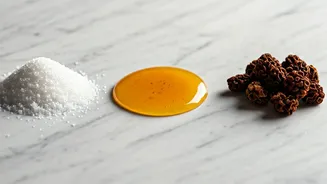
Let’s start with the one we all know: white table sugar, or sucrose. It’s the gold standard for taste, texture, and baking performance. It provides that perfect caramelization in cookies and dissolves seamlessly into your iced tea. That’s where the good
news ends. From a health perspective, table sugar is what experts call a source of “empty calories.” It offers a quick blast of energy but comes with zero nutritional benefits—no vitamins, no minerals, no fiber. Its high glycemic index means it causes a rapid spike in blood sugar and a subsequent crash, which can contribute to energy slumps and cravings. Over time, a diet high in added sugars is strongly linked to weight gain, inflammation, type 2 diabetes, and other chronic health issues. A doctor’s view? It’s the one to use most sparingly, if at all.
The Natural Darling: Honey
Honey often wears a “health halo.” It’s natural, it’s been used for centuries, and it just feels wholesome. And to be fair, it does have some advantages over table sugar. Raw, unfiltered honey contains trace amounts of antioxidants, vitamins, and minerals, and possesses natural antibacterial properties. Its glycemic index is also slightly lower than sugar’s, meaning it raises blood sugar a little more slowly. However—and this is a big however—your body ultimately treats honey like sugar. It’s composed of fructose and glucose, and it’s still high in calories and will absolutely spike your insulin. For individuals with diabetes or anyone focused on blood sugar management, honey is not a free pass. Think of it as a marginally better version of sugar, not a true health food. It’s a good choice for a sore throat, but not for your daily coffee if you're trying to cut back on sugar’s metabolic impact.
The Modern Contender: Monk Fruit
Monk fruit extract is the relative newcomer, and it’s a game-changer. Derived from a small green melon native to Southeast Asia, its sweetness comes from unique antioxidants called mogrosides, not from sugar. This is a critical distinction. Because it contains no sugar and no calories, monk fruit does not raise blood sugar levels at all, giving it a glycemic index of zero. This makes it an excellent option for people managing diabetes, following a ketogenic diet, or simply trying to reduce their calorie and sugar intake. It’s also incredibly sweet—up to 200 times sweeter than sugar—so a little goes a long way. The main caveat? Monk fruit is often blended with other ingredients, like erythritol (a sugar alcohol), to balance its taste and add bulk. Some people find these blends can cause minor digestive upset, and the taste profile, while close to sugar, can have a slight aftertaste for sensitive palates.
The Doctor's Verdict
So, who’s the winner? If we’re judging based on the criteria most critical to long-term health—blood sugar impact, calorie count, and reducing risks for chronic disease—a doctor would almost certainly pick **monk fruit**. Its zero-calorie, zero-glycemic-index profile puts it in a completely different league than sugar or honey. It allows you to add sweetness without the metabolic consequences, which is the primary goal for most health-conscious consumers. Honey comes in a distant second place. It’s a slightly better choice than table sugar if you’re looking for a natural option with some minor added benefits, but it doesn't solve the core problem of sugar intake. Table sugar, unsurprisingly, comes in last. While it's fine for an occasional, deliberate treat, it has no place as a daily staple in a healthy diet. For everyday use in your coffee, yogurt, or tea, monk fruit is the clear winner for your health.