





Welcome to the Land of Clouds
In the Indian state of Meghalaya, whose name means “abode of the clouds” in Sanskrit, two villages are locked in a perpetual, drizzly rivalry. Mawsynram and Cherrapunji (now officially known by its local name, Sohra) compete for the title of the wettest
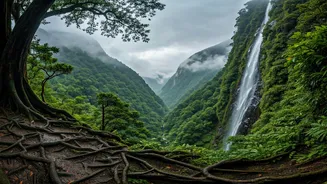
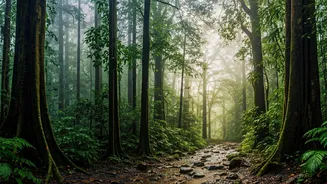
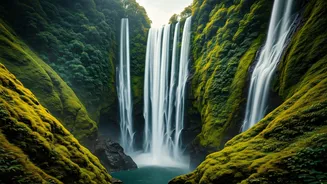
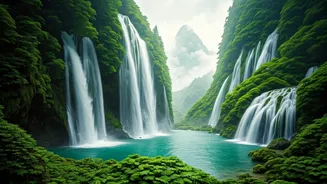
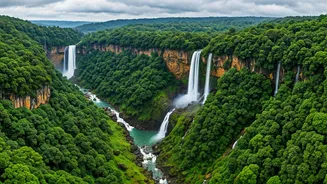
place on Earth. For most of the world, constant, torrential rain sounds like a curse. But here, it’s the main attraction. This isn’t a place you visit despite the rain; you visit *for* the rain. The phenomenon is caused by the warm, moisture-laden winds of the monsoon sweeping up from the Bay of Bengal. When they hit the steep Khasi Hills, the air is forced to rise, cool, and dump its staggering water content directly onto this small patch of the planet. The result is a landscape of impossible green, thundering waterfalls, and a culture that has learned to live in harmony with the deluge.
Mawsynram: The Reigning Champ
According to Guinness World Records, Mawsynram is the current titleholder, receiving an average of 467.4 inches of rain per year. To put that in perspective, Seattle gets about 38 inches. Life in Mawsynram is a masterclass in adaptation. Villagers use unique, turtle-shell-like shields called ‘knups,’ woven from bamboo and banana leaves, as full-body umbrellas, leaving their hands free for farming or shopping. Sound is a constant companion—not just the drumming of rain on corrugated tin roofs, but the muffled acoustics it creates, dampening the outside world into an intimate, misty bubble. Visiting Mawsynram during the monsoon is a sensory overload. It’s less of a tourist town and more of a living experiment, a place to witness human resilience and the raw power of nature in its most persistent form.
Cherrapunji: The Historic Rival
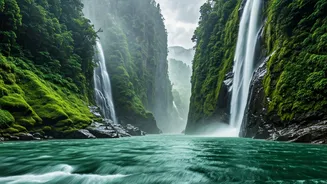
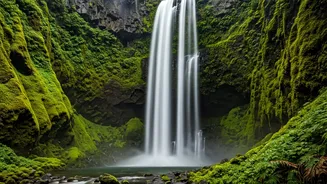
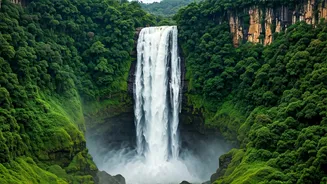
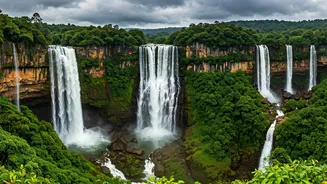
Just nine miles away as the crow flies, Cherrapunji (Sohra) once held the crown and remains the more famous and accessible of the two. While Mawsynram may have the edge in annual rainfall, Cherrapunji holds records for the most rainfall in a single month and year. It’s also better equipped for tourism, with a wider range of guesthouses and hotels. What it shares with its neighbor is a landscape sculpted by water. The surrounding plateau is gashed with deep gorges and dotted with some of India's most spectacular waterfalls, like the Nohkalikai Falls, which plunges over 1,100 feet from a verdant cliff. For decades, Cherrapunji was the shorthand for extreme weather, a place so wet it was almost mythical. Today, it serves as the perfect base camp for exploring the region's wonders.
The Living Root Bridges: Nature's Architecture
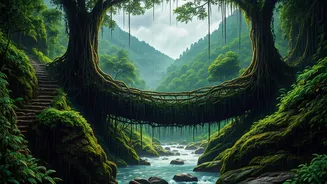
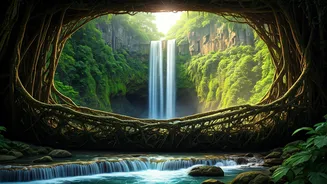
The true “gold” of rain tourism here isn’t the rainfall itself, but what it enables. The star attractions are the Jingkieng Jri, or living root bridges. For centuries, the indigenous Khasi and Jaintia peoples have guided the aerial roots of rubber fig trees across rivers and ravines, weaving them into natural, living suspension bridges. These structures grow stronger over time, with some lasting for over 500 years, capable of supporting the weight of dozens of people. The trek to the famous Double-Decker Living Root Bridge in Nongriat village, near Cherrapunji, is an arduous but profoundly rewarding journey. It feels like stepping into a fantasy novel—a testament to a patient, symbiotic relationship between humans and nature that stands in stark contrast to concrete and steel.
How to Embrace the Deluge
A trip to Meghalaya during the monsoon (roughly June to September) requires a mental shift. You are going to get wet. The key is to prepare for it. Pack high-quality rain gear, waterproof boots with excellent grip, and quick-drying clothes—leave the denim at home. A waterproof bag for electronics is essential. But more importantly, pack the right attitude. This is slow travel. It’s about sitting with a cup of hot chai watching the clouds roll in, listening to the symphony of a thousand tiny waterfalls, and feeling the vibrant, super-saturated green of the jungle seep into your bones. It's a destination for hikers, photographers, and anyone looking to disconnect from the digital world and reconnect with a powerful, primal version of the natural one.