

First, Let’s Define the ‘Vibe’
Forget arguing about whether to go to Austin or Nashville. The new starting point sounds more like this: “We want a chill weekend in a house with a big kitchen for cooking group dinners, a fire pit, and maybe a hot tub.” Or, “We need a high-energy city
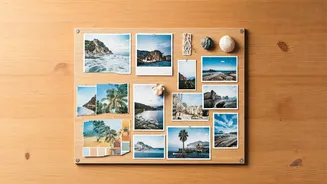
trip with walkable access to cool bars, live music, and great coffee shops.” The ‘vibe’ is the desired feeling, the aesthetic, the pace, and the shared activities. It’s a mood board before it’s a map. This approach prioritizes the *experience* of being together over the bragging rights of a specific pin on a map. The destination becomes a variable, chosen because it best delivers the agreed-upon atmosphere, rather than being the non-negotiable starting point. It’s a subtle but powerful shift from ‘where are we going?’ to ‘how do we want to feel?’
The Psychology Behind the Shift
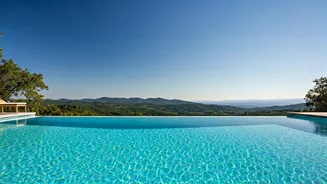
So, why is this happening now? Part of it is a solution to a classic problem: decision paralysis. The internet offers infinite travel options, creating a paradox of choice that can stall a group trip before it even begins. By starting with a vibe, groups narrow the field dramatically. It’s easier for eight friends to agree on “relaxing by a pool” than it is to get consensus on a specific city, state, or country. This approach also reflects a deeper post-pandemic re-evaluation of leisure time. After years of limited social contact, many people are more focused on the quality of the connection with their travel partners. The goal isn’t just to see a place, but to create a specific kind of shared memory. A successful trip is defined by the quality of the hang, not just the landmarks you saw.
Fueled by Aesthetics and Algorithms
You can’t talk about ‘vibes’ without talking about social media. Platforms like Pinterest, Instagram, and TikTok have trained a generation of travelers to think in aesthetics. We see a video of a cozy A-frame cabin in the woods or a sun-drenched Italian-style villa, and we want to replicate that specific feeling. Trend reports have even given this a name; Pinterest Predicts dubbed it “vibe-cations.” Tech platforms have been quick to adapt. Airbnb, for instance, has moved beyond simple location-based searches. Its homepage now features categories like “Amazing pools,” “Luxe,” “Cabins,” and “OMG!” that allow users to shop for an experience. You can search for a home with a “chef’s kitchen” or a “great workspace,” reinforcing the idea that the amenities and atmosphere of where you stay are just as important—if not more so—than the city it’s in.
What This Means for the Future of Travel
This trend decentralizes the travel industry’s traditional power structure. It’s no longer just about marquee destinations like New York, Paris, or Las Vegas. A small town with a cluster of beautifully designed rental properties that fit the “cozy getaway” vibe can suddenly become a hotspot. It empowers travelers to be more creative and intentional with their plans. Instead of feeling pressured to visit a big-name city, groups can focus on finding the perfect setting for their reunion, bachelorette party, or annual friends’ trip, wherever that may be. This method often leads to discovering lesser-known gems that offer better value and a more unique experience, far from the usual tourist traps. It transforms travel planning from a logistical headache into a creative, collaborative exercise in defining what a perfect vacation truly means to the group.