



The Myth of ‘No Days Off’
The mentality is everywhere: #NoDaysOff, #EveryDamnDay, #GrindDontStop. We celebrate the person who never misses a workout, seeing it as the peak of discipline and commitment. Psychologically, it feels great. Each consecutive day you show up reinforces
a positive identity and a sense of control. You’re building a habit, and the digital confetti from your fitness app confirms you’re on the right track. This desire for consistency is powerful, but it often overlooks a fundamental biological truth: muscles don’t get stronger during your workout. They get stronger after.
How Your Body Actually Builds Strength
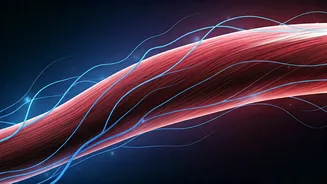
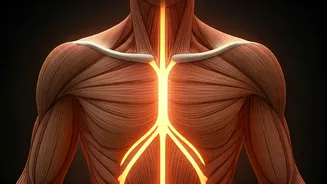
Think of your workout as the stimulus, not the result. When you lift weights, run, or push your physical limits, you’re creating microscopic tears in your muscle fibers. This is the “stress” part of the equation. The magic—muscle growth and strength increase, a process called hypertrophy—happens during the “adaptation” phase. This is recovery. Your body sends nutrients and resources to repair those tiny tears, rebuilding them slightly thicker and stronger than before. This process requires time and energy. Without adequate rest, you’re essentially re-tearing muscle that hasn’t finished healing. You’re not building on a solid foundation; you’re just digging a deeper hole.
Are You Ignoring These Red Flags?
Overtraining isn’t a sudden event; it’s a slow creep of accumulated fatigue. Your body sends signals long before you’re forced to stop. Ignoring them is the fastest way to hit a plateau or, worse, get injured. Common signs of inadequate recovery include: - **Persistent Soreness:** Feeling unusually sore for days on end isn’t a sign of a good workout; it’s a sign of poor repair. - **Performance Plateaus or Declines:** If you’re suddenly weaker or slower despite working out consistently, your body is likely too fatigued to perform. - **Poor Sleep & Fatigue:** Overtraining can disrupt your hormonal balance, affecting cortisol and melatonin levels, making it hard to fall asleep or feel rested. - **Increased Irritability:** When your central nervous system is fried from constant physical stress, your mood is often the first non-physical casualty. - **Nagging Injuries:** Small aches in your joints or tendons that don’t seem to go away are a classic sign your body can’t keep up with the repair demands.
Make Recovery an Active Part of Your Routine
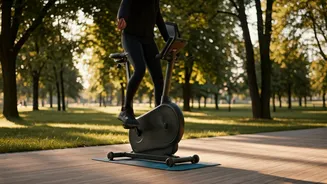
The good news is that recovery isn't about being lazy. It’s an active, essential component of a smart fitness plan. Instead of viewing rest days as a failure, reframe them as “growth days.” There are two main types of recovery to incorporate. **Passive Recovery:** This is complete rest. It includes getting 7-9 hours of quality sleep per night, which is when the majority of muscle repair and hormone regulation occurs. It also means taking full days off from strenuous exercise. **Active Recovery:** This involves low-intensity activity that promotes blood flow to your muscles without causing further stress. This can help clear out metabolic waste and reduce soreness. Think light walking, gentle stretching, foam rolling, or a casual bike ride. An active recovery day can keep your streak “alive” mentally without sabotaging you physically.
Build a Smarter Workout Week
Instead of aiming for seven high-intensity days, structure your week for sustainable progress. For most people, a well-rounded plan includes 3-5 challenging workouts. The other days can be dedicated to active recovery or complete rest. For example, a strength training program might involve an upper-body day, a lower-body day, and a full-body day, with walks, yoga, or complete rest on the days in between. This approach ensures you’re hitting your muscles hard enough to stimulate growth but also giving them the downtime they need to actually grow. Listen to your body—it’s a better guide than any app or social media trend.