

Shimla: The British Raj Classic
Imagine trading the sweltering, dusty air of the plains for a cool breeze carrying the scent of pine. This is Shimla, the former summer capital of British India. Located in the Himalayan foothills of Himachal Pradesh, the city was literally built to be
an escape. Its colonial-era architecture, from the Viceregal Lodge to the mock-Tudor storefronts lining The Mall, feels like a trip back in time. The city’s main artery is a pedestrian-only promenade where visitors and locals alike stroll in the mild mountain weather, a stark contrast to the sizzling cities left behind. A ride on the UNESCO-recognized Kalka-Shimla Railway, a “toy train” that winds its way through more than 100 tunnels and over 800 bridges, is an experience in itself—a slow, scenic ascent into a different climate and a different world. For the American traveler, Shimla offers a fascinating glimpse into India's colonial history while providing a very welcome break from the oppressive heat.
Ladakh: The High-Altitude Desert
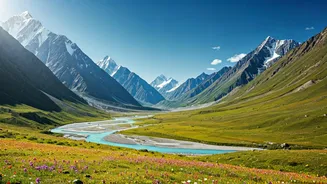
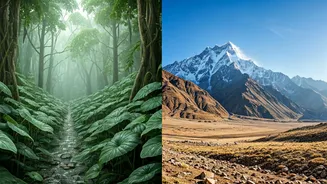
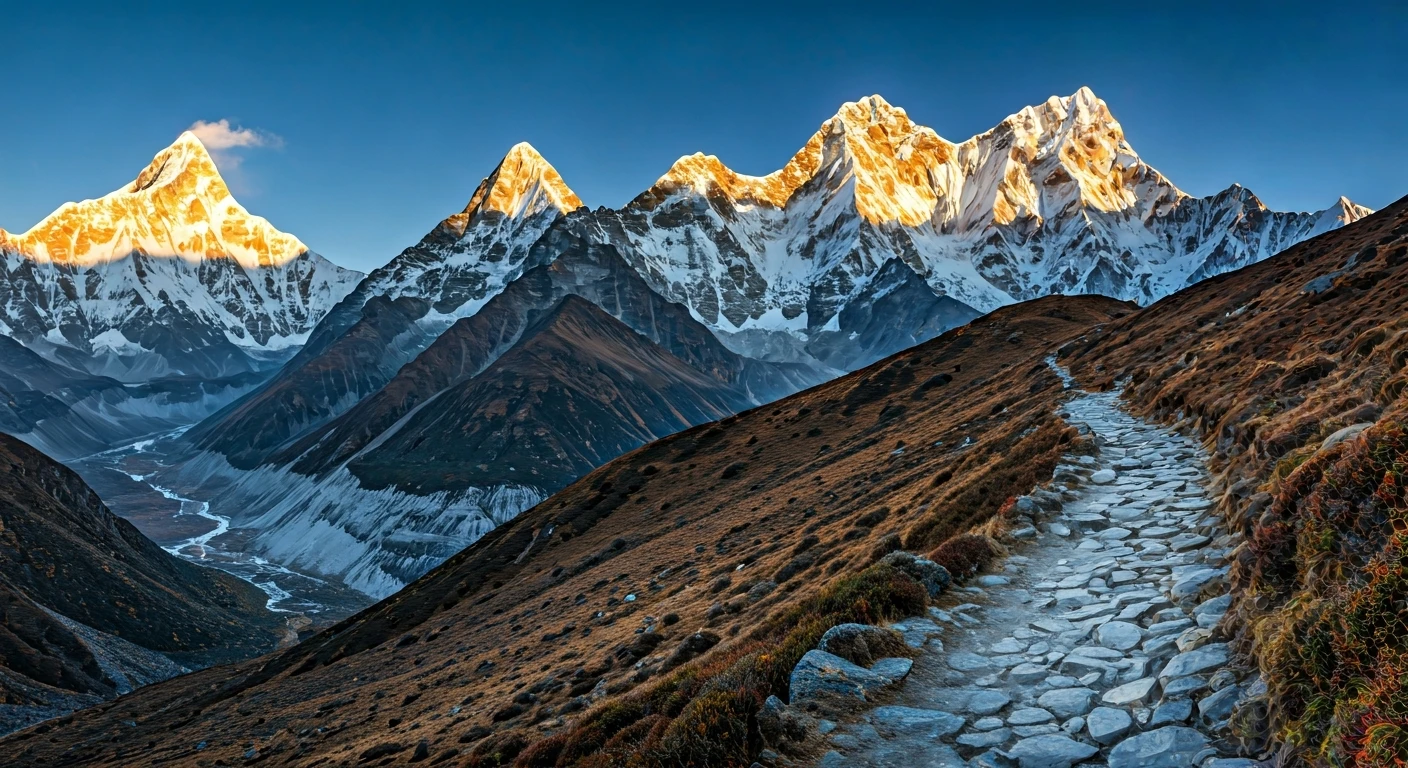
For those seeking something more dramatic and adventurous, Ladakh is the answer. Often called “Little Tibet” or “The Land of High Passes,” this is a starkly beautiful cold desert nestled between the Karakoram and Himalayan mountain ranges. Forget the lush greenery of other hill stations; Ladakh’s appeal lies in its moonlike landscapes, deep blue skies, and vibrant Tibetan Buddhist culture. The air here is thin, dry, and, most importantly, cool. While the rest of India bakes, Ladakh enjoys pleasant summer days perfect for exploring ancient monasteries perched precariously on hillsides, like Thiksey and Hemis. The region is a haven for trekkers, motorcyclists navigating the winding mountain roads, and anyone captivated by raw, elemental beauty. Flying into the capital, Leh (elevation: 11,500 feet), is a breathtaking experience, offering an immediate and profound sense of removal from the world below.
Munnar: The Southern Tea Gardens
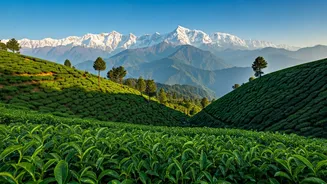
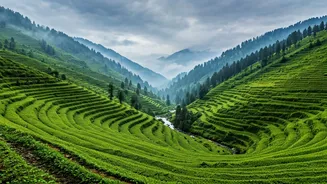
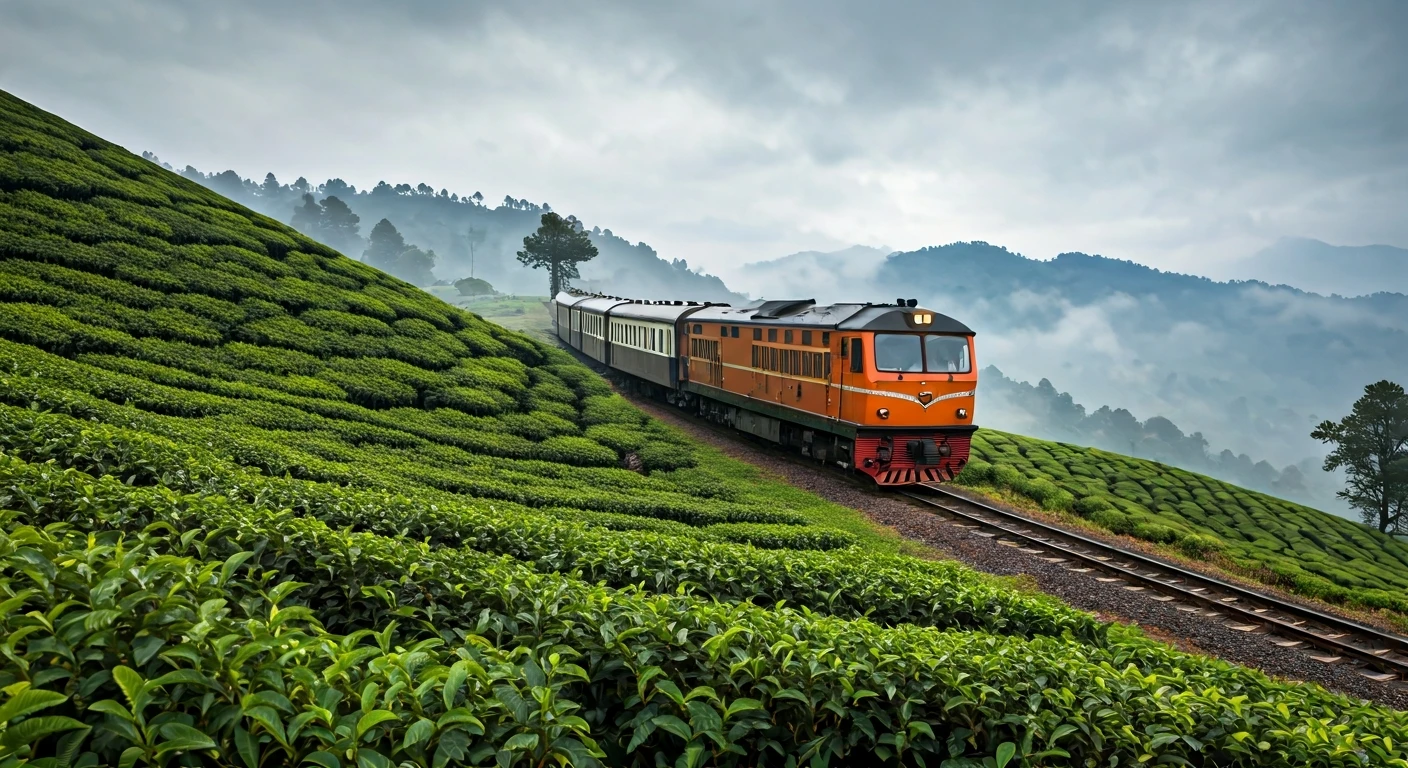
The Himalayas don’t have a monopoly on cool-weather escapes. In the south, tucked into the Western Ghats mountain range in the state of Kerala, lies Munnar. This region is a rolling sea of emerald-green tea plantations. The elevation here isn't as extreme as in the Himalayas, but at around 5,200 feet, it offers significant relief from the coastal humidity and heat. The landscape is gentle, contoured, and meticulously manicured by generations of tea pickers. Visitors can tour tea factories to learn about the journey from leaf to cup, hike to Anamudi, the highest peak in South India, or simply relax with a view of the misty hills. Munnar provides a different sensory experience—quieter, lusher, and perfumed with the aroma of tea leaves and eucalyptus. It’s a perfect example of the geographic diversity that makes India’s network of cool-weather refuges so compelling.
Darjeeling: Queen of the Hills
No list of Indian hill stations is complete without Darjeeling. Famous worldwide for its delicate, muscatel-flavored tea, this West Bengal town offers one of the most iconic views in the world: the sun rising over Kanchenjunga, the third-highest mountain on Earth. Like Shimla, Darjeeling was developed by the British as a sanatorium and summer resort. Its charm lies in a blend of colonial architecture, a vibrant mix of Nepali, Tibetan, and Bengali cultures, and the slow, chugging rhythm of its own Himalayan Railway. The atmosphere is bustling yet relaxed. You can visit a Buddhist monastery, browse the markets for local crafts, or simply find a cafe on the Chowrasta Mall to sip the world’s most coveted tea while gazing at snow-capped peaks. It’s a place that has captivated travelers for nearly two centuries, and its cool, mountain air remains its most valuable asset.