


The Ultimate Rainy-Day Antidote
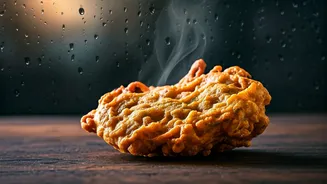
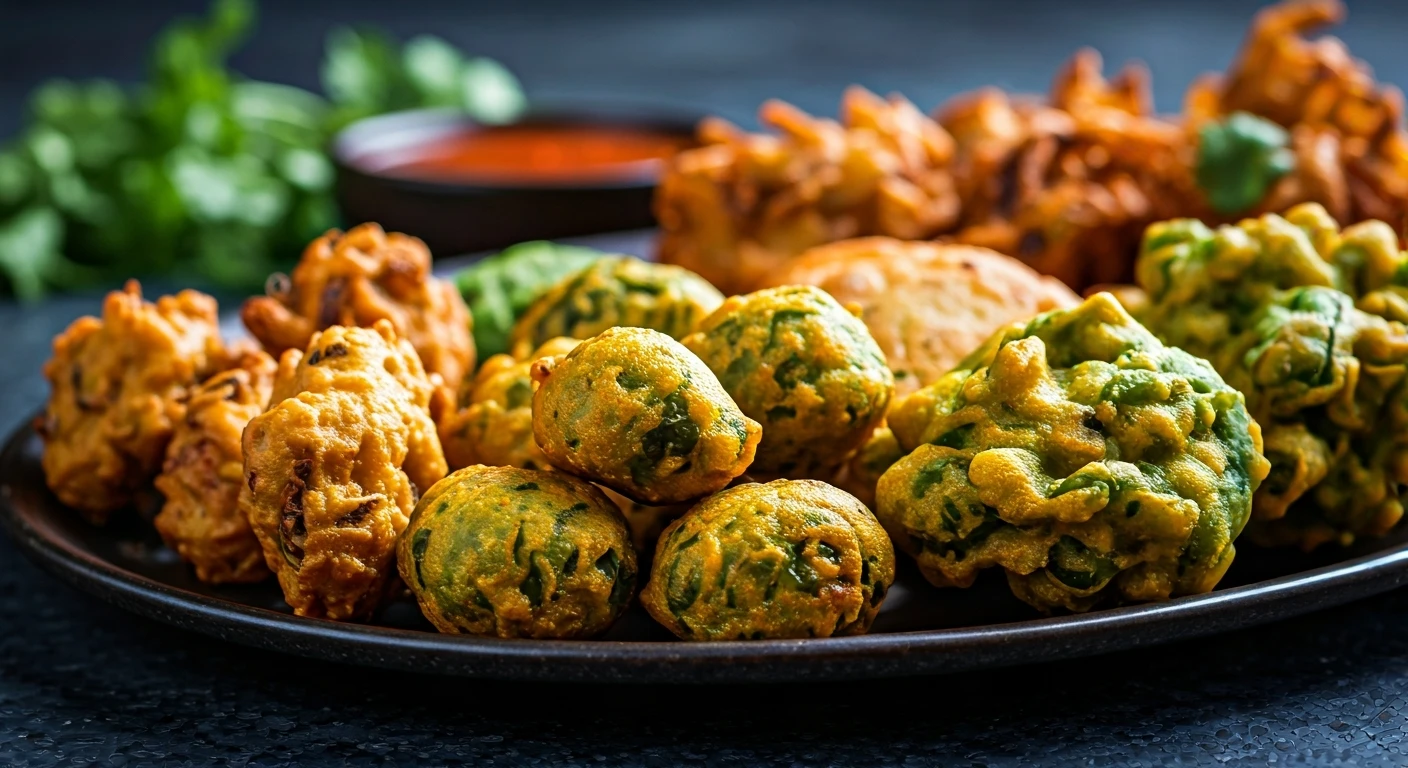
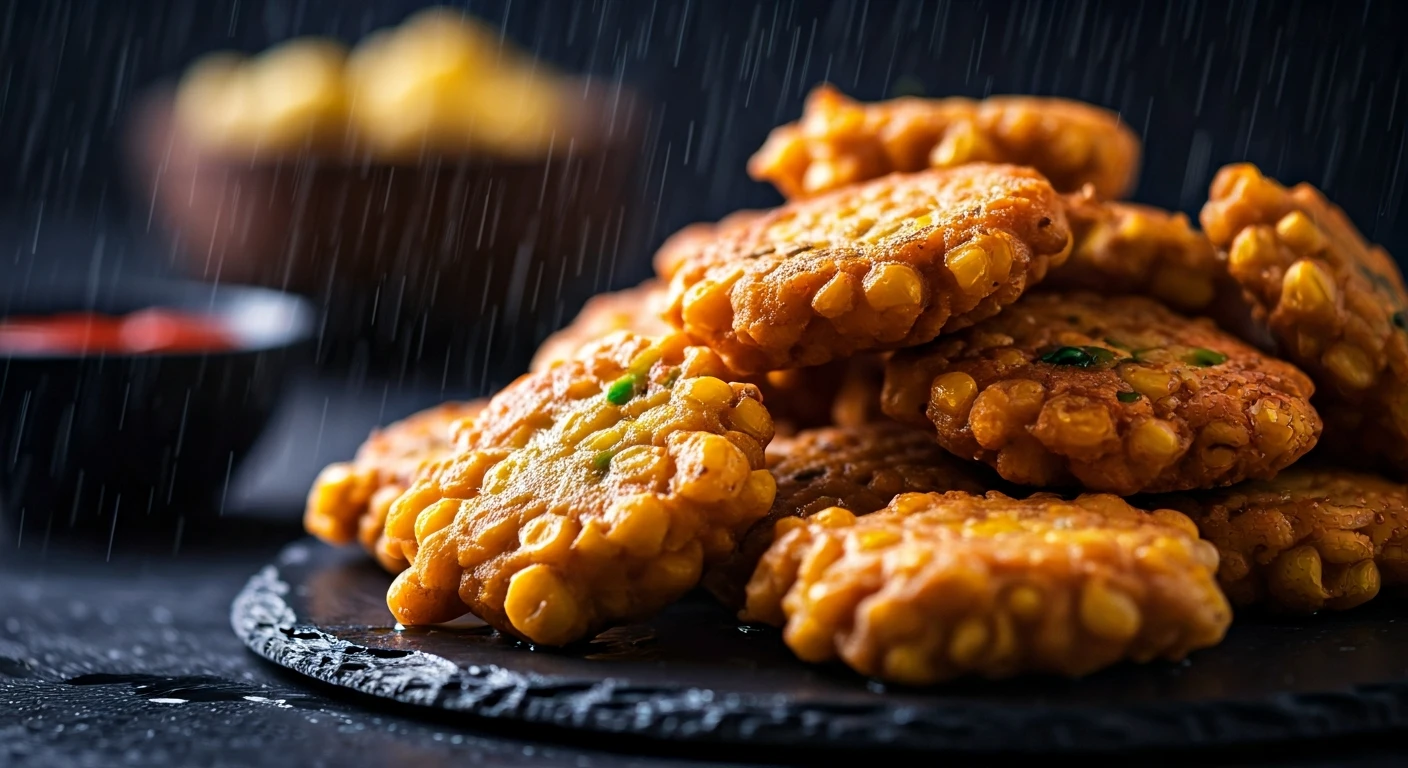
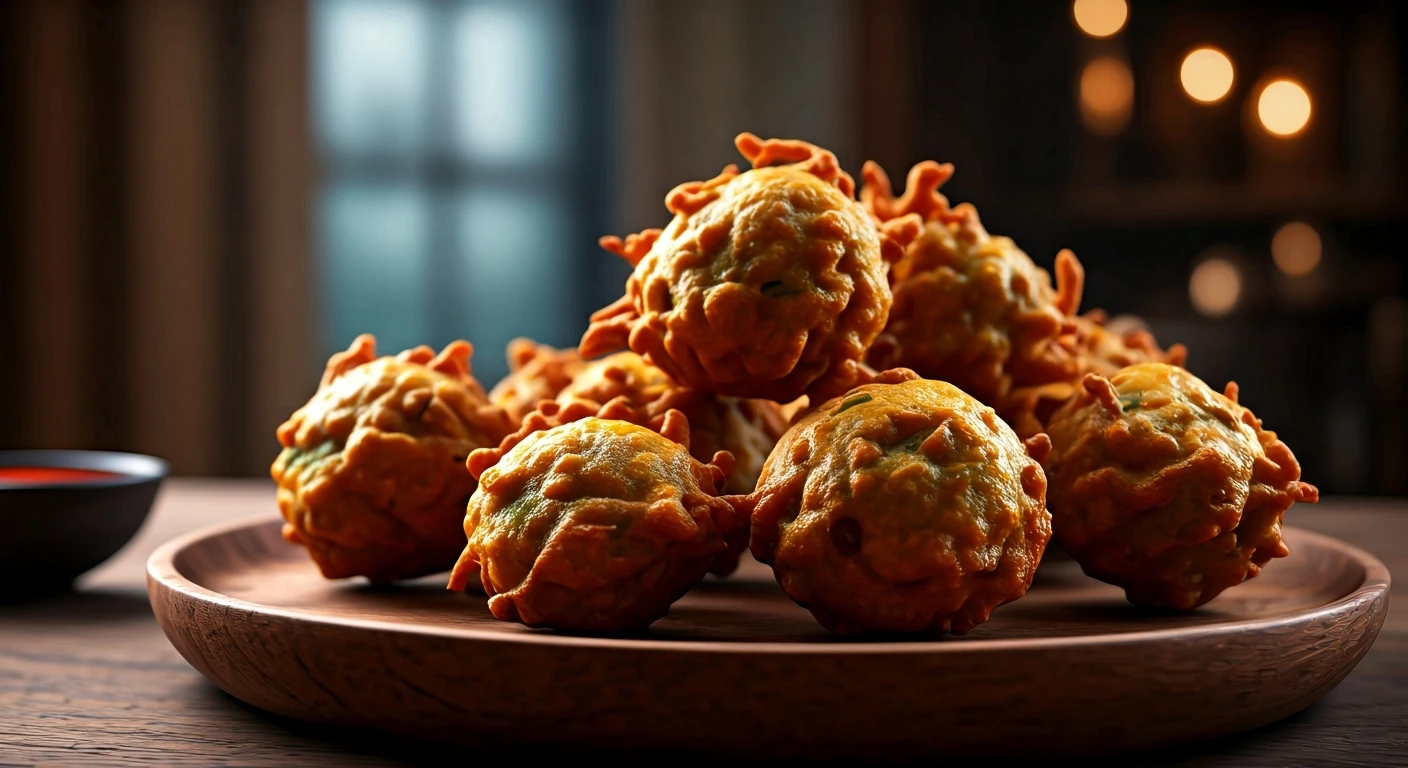
Across South Asia, the first clap of thunder doesn’t just signal an impending downpour; it signals pakora time. The connection between rain and these savory, deep-fried fritters is more than a tradition—it’s an institution. Known as bhaji or pakoda in different
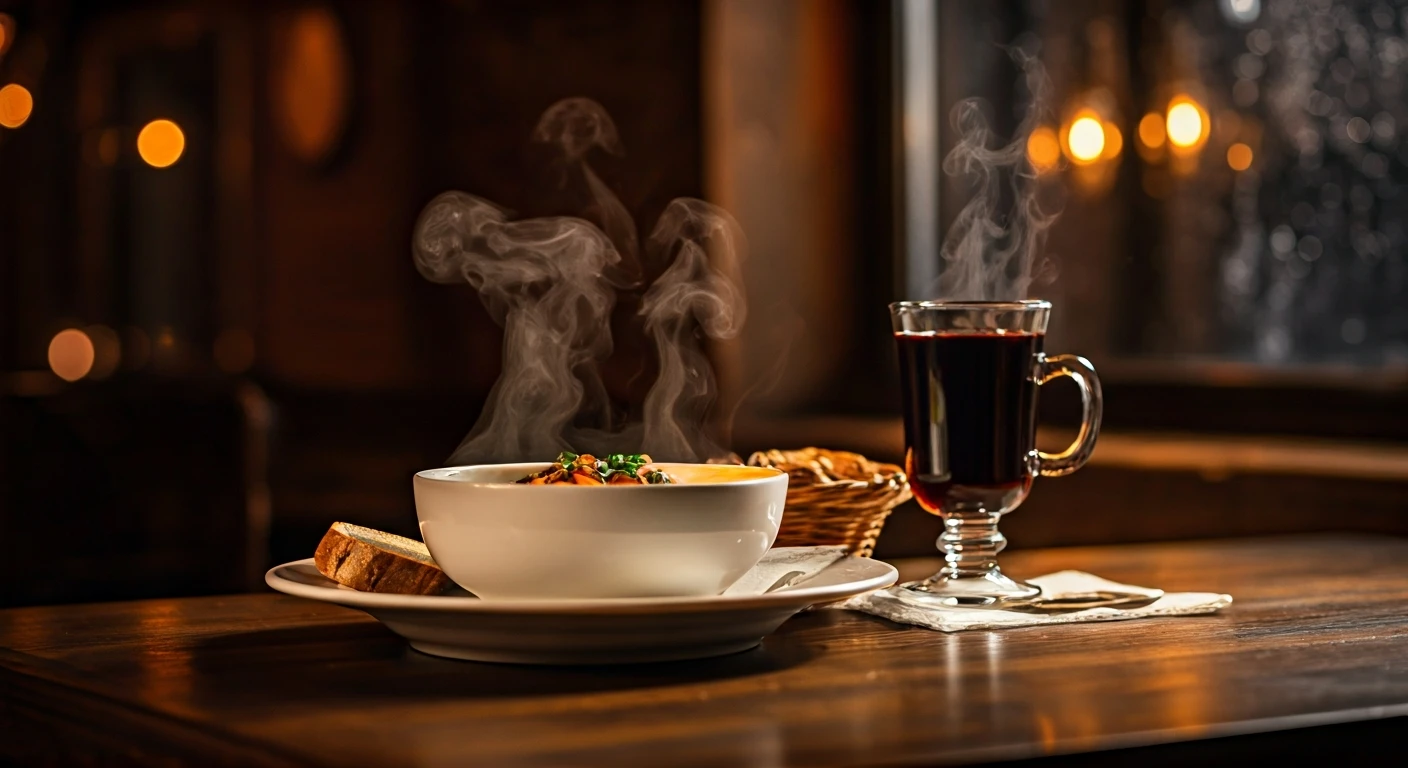
regions, pakoras are essentially bite-sized bundles of joy. Vegetables, onions, or even cheese are coated in a spiced batter made from besan (chickpea flour) and fried until golden and irresistibly crunchy. While Americans might reach for a grilled cheese and tomato soup on a gloomy day, the sensory equivalent in an Indian household is a plate of hot pakoras and a steaming cup of masala chai. The sound of oil sizzling mimics the patter of rain, and the warm, fragrant steam that rises from a freshly fried batch is the perfect contrast to the damp chill in the air. It’s a multi-sensory ritual designed to ward off the dreariness of a monsoon day, transforming it into an occasion for cozy indulgence.
Why Corn Pakoras Reign Supreme
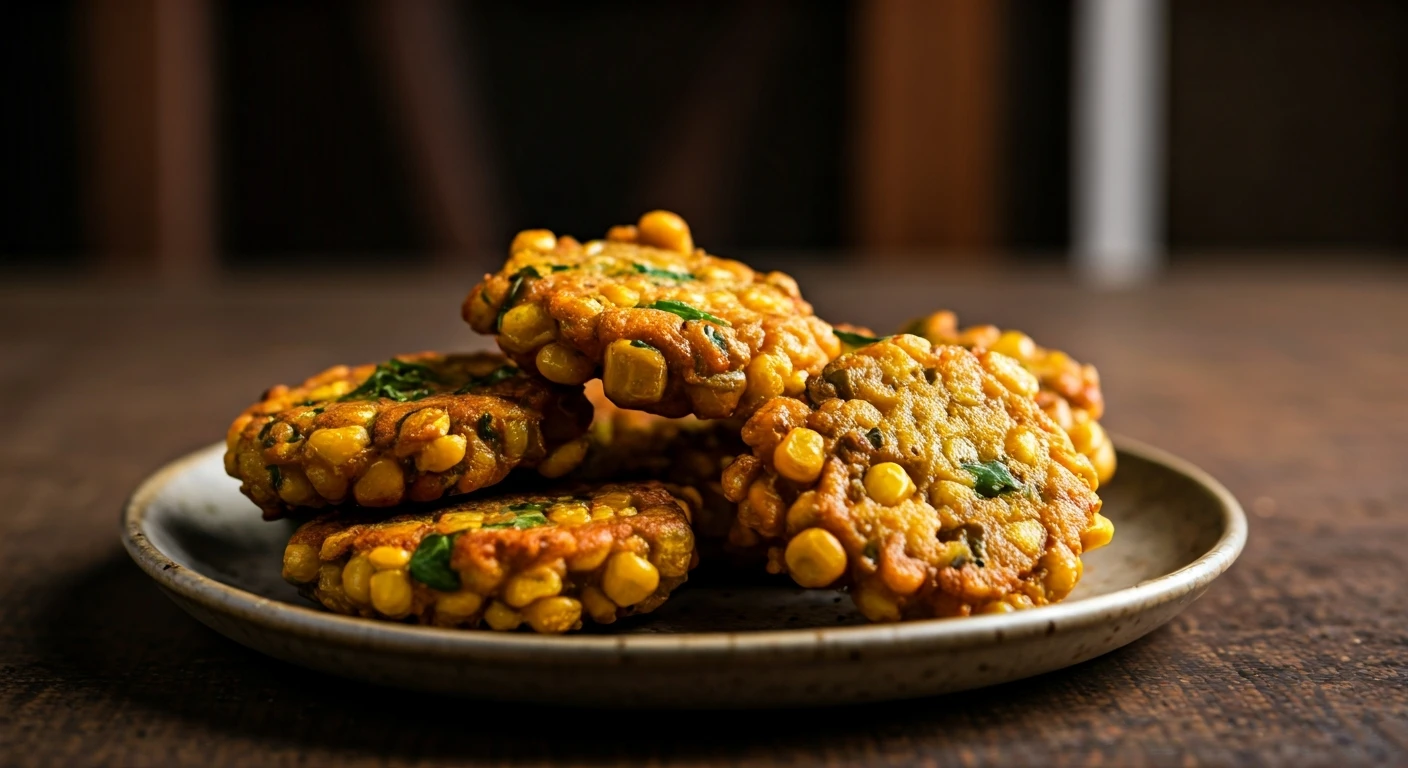
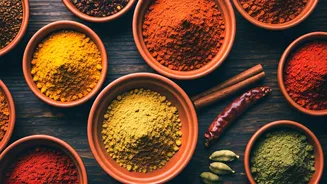
While you can make a pakora out of almost anything—potato slices, spinach leaves, onion rings—the corn pakora holds a special place. It’s a perfect marriage of textures and tastes. The sweet, juicy pop of fresh corn kernels provides a delightful contrast to the earthy, savory flavor of the spiced chickpea flour batter. Unlike denser potato or cauliflower versions, corn pakoras have a lightness to them, making it dangerously easy to eat an entire plateful. The secret is in the batter’s simplicity. A good besan batter is seasoned with little more than turmeric for color, red chili powder for a gentle heat, and perhaps some ajwain (carom seeds) for a distinctive, slightly bitter note that aids digestion. When this batter envelops the corn and hits the hot oil, magic happens. The outside becomes shatteringly crisp, while the inside remains tender, with the corn kernels steaming to perfection. It’s a flavor bomb that’s sweet, savory, spicy, and utterly addictive.
Crafting Your Own Comfort at Home
Making pakoras might sound intimidating, but it’s a surprisingly forgiving process. You don't need a formal recipe so much as a method. Start with a cup of chickpea flour in a bowl. Slowly whisk in water until you have a thick batter, like pancake batter but a bit heavier. It should coat the back of a spoon without being runny. Now, for the flavor: add salt, a pinch of turmeric, a little chili powder, and some minced ginger or green chilies for a fresh kick. Fold in your star ingredient—about a cup of corn kernels, either fresh off the cob or thawed from frozen. Let the mixture sit for a few minutes. Heat a few inches of a neutral oil (like canola or vegetable) in a heavy-bottomed pot to about 350°F. If you don’t have a thermometer, drop a tiny bit of batter in; if it sizzles and floats to the top immediately, you’re ready. Carefully drop spoonfuls of the batter into the oil, being careful not to overcrowd the pan. Fry for a few minutes on each side, until they’re a deep golden brown. The sound and smell that will fill your kitchen is the first reward.
Complete the Experience With Perfect Pairings
A pakora is good on its own, but it’s even better with the right companions. The experience isn’t complete without a dipping sauce. A classic choice is a vibrant green chutney made from cilantro, mint, green chilies, and lemon juice. Its bright, tangy flavor cuts through the richness of the fried batter perfectly. Another popular option is a sweet-and-sour tamarind chutney, which provides a deeper, fruitier counterpoint. And, of course, there is chai. Not the sugary, cinnamon-dusted latte from your local coffee shop, but strong black tea brewed with milk, crushed ginger, and cardamom pods. The spicy, aromatic warmth of the tea is the ultimate partner for the crispy, savory pakoras. The combination is a cultural touchstone—a simple, accessible luxury that turns a mundane, rainy evening into a moment of pure, unadulterated comfort. It’s not just food; it’s a feeling.