
Beyond Basmati and Naan
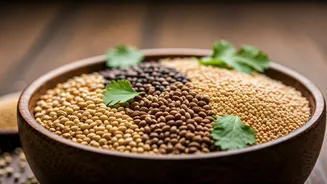
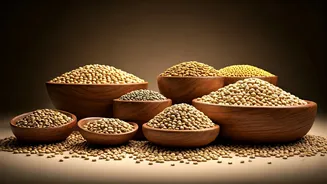
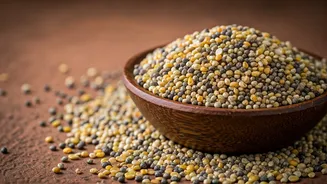
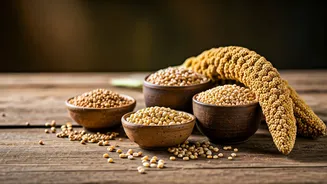
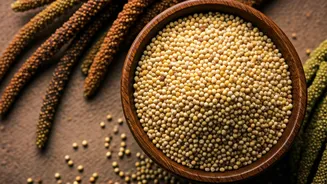
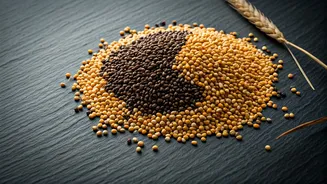
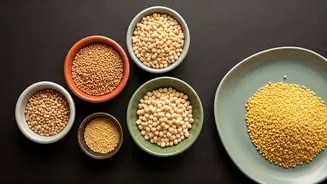
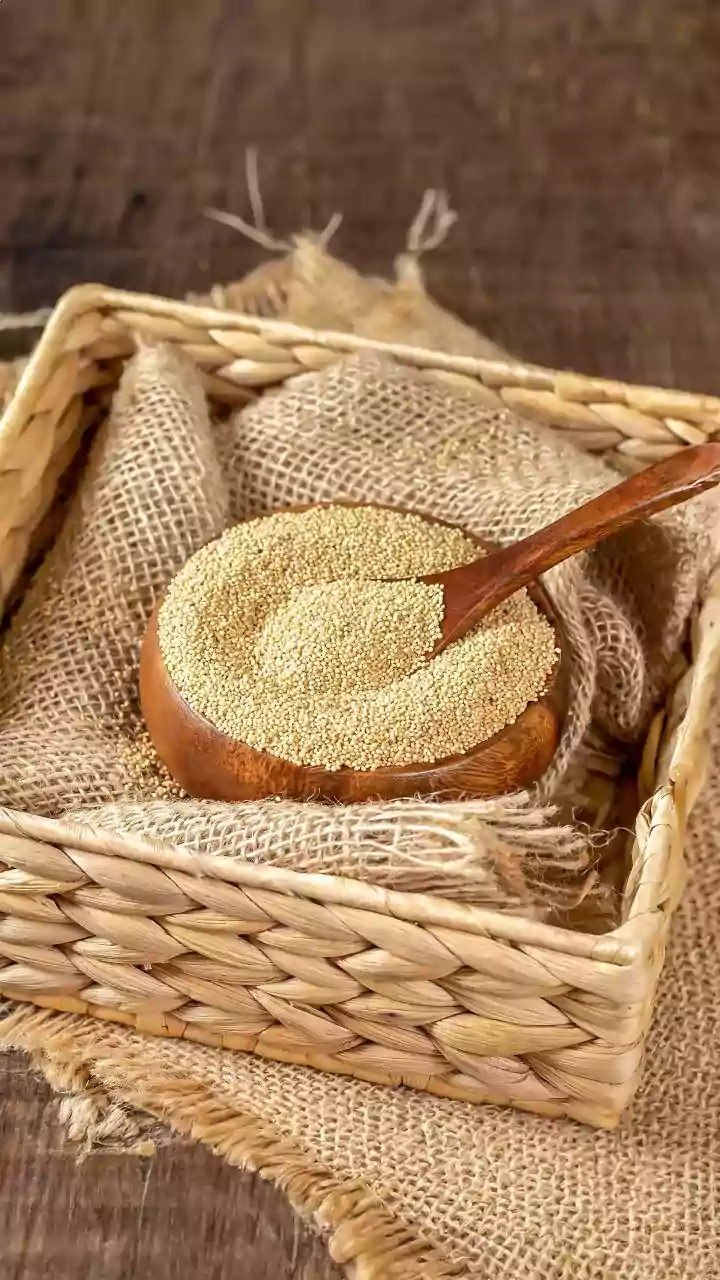
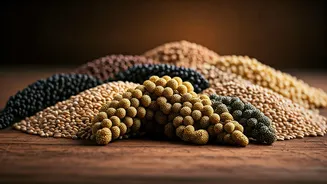
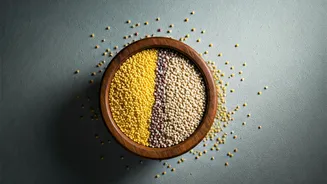
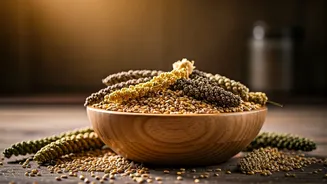
So, what are these mystery ingredients? They all fall under the banner of millets—a group of small-seeded, hardy ancient grains that have been staples in India for millennia but were largely overshadowed by the Green Revolution's focus on wheat and rice.
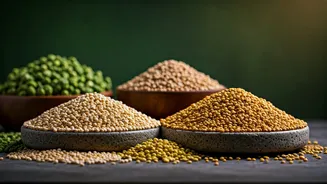
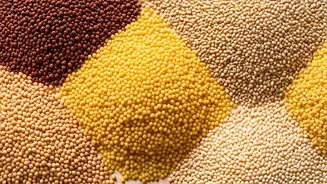
Think of them not as one single thing, but as a diverse family, much like squash or berries. You have sorghum (jowar), pearl millet (bajra), and finger millet (ragi), among others. Each has its own distinct texture and nutty, earthy flavor profile. For generations, these grains were the backbone of regional Indian diets, used to make everything from rustic flatbreads to hearty porridges. In the U.S., however, Indian cuisine was largely introduced through a more limited, North Indian-centric lens dominated by fluffy basmati rice and soft wheat naan. The re-emergence of millets on American menus isn't an invention; it's a rediscovery—a way for chefs to connect with a deeper, more diverse culinary heritage.
The 'Smarter' Grain on Two Fronts
The headline's claim that millet makes a menu feel 'smarter' isn't just marketing fluff. The intelligence operates on two key levels: personal health and planetary health. Nutritionally, millets are powerhouses. They are naturally gluten-free, making them an elegant solution for diners with sensitivities. They're also packed with protein, fiber, and essential minerals like magnesium and iron. Unlike refined grains, they have a low glycemic index, which means they release energy slowly without spiking blood sugar, keeping you fuller for longer. On the environmental front, millets are what experts call 'climate-smart' crops. They are incredibly resilient, thriving in arid conditions with minimal water. Compared to water-guzzling crops like rice or corn, millets are a profoundly sustainable choice. In an era of climate change and increasing water scarcity, choosing a grain that can grow with little rainfall is one of the most intelligent agricultural decisions one can make. When a chef chooses millet, they are voting for a more resilient food system.
A Global Push Meets Culinary Vision
The timing for this millet renaissance is no accident. The United Nations declared 2023 the 'International Year of Millets,' a global campaign to raise awareness about their nutritional and environmental benefits. This put a spotlight on the humble grain, inspiring governments and, in turn, creative industries to re-embrace it. For chefs in the United States, this global push coincided with a powerful internal drive to evolve the perception of Indian food. A new generation of culinary talent is eager to move beyond the creamy, heavy clichés of the all-you-can-eat buffet. They are using their menus to tell a more nuanced story of India’s vast regional cuisines. Millets offer the perfect medium to do this. They are authentic, versatile, and provide a new palette of flavors and textures to innovate with. It’s a way to be both rooted in tradition and forward-thinking.
What It Looks Like on Your Plate
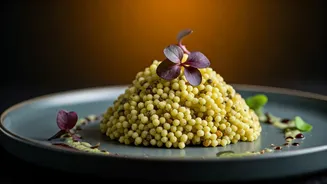
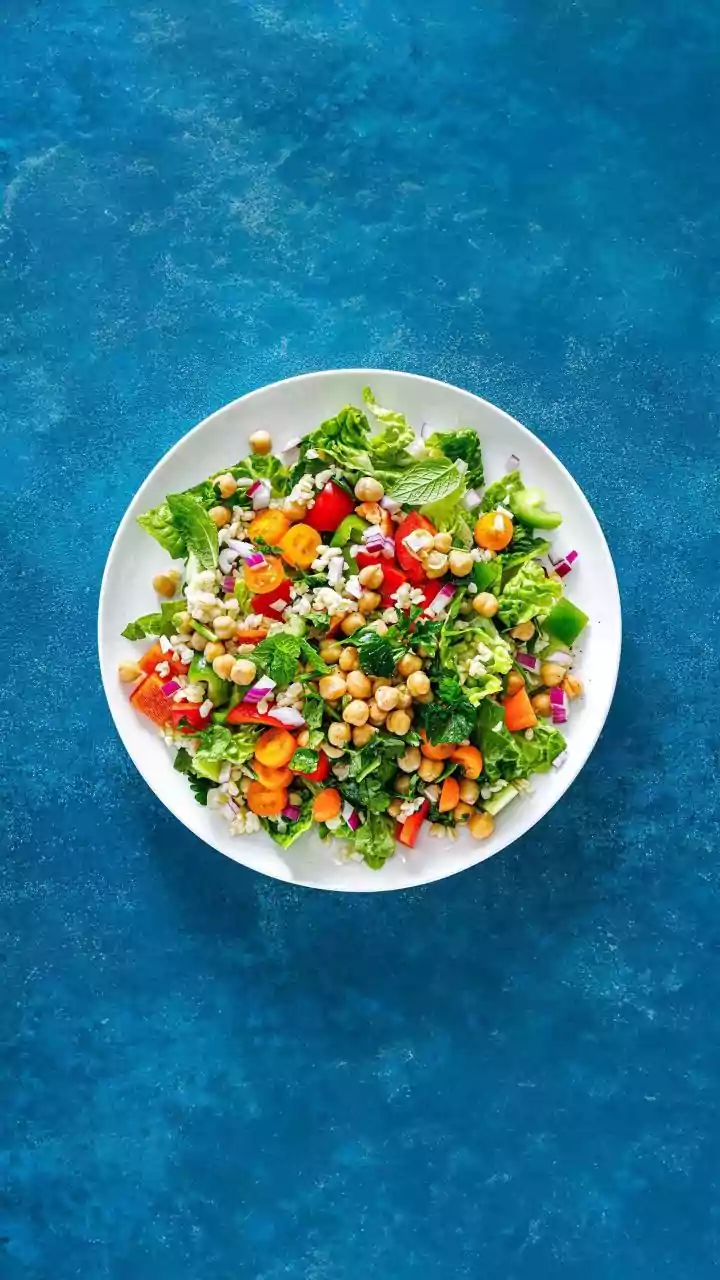
This trend isn't just theoretical; it's delicious and increasingly accessible. You might find it in subtle swaps or as the star of the show. Instead of a standard dosa, you may see a crispier, darker, and more flavorful version made from a fermented finger millet (ragi) batter. The soft, puffy naan might be complemented by a dense, earthy flatbread like jowar roti or bajra bhakri, perfect for scooping up rich lentil stews. Elsewhere on the menu, you could find millet bowls taking the place of quinoa, forming a wholesome base for grilled vegetables and proteins. Traditional porridges like upma, typically made with semolina, are being reimagined with fluffy foxtail millet. It’s a smart way for chefs to add nutritional depth and textural contrast to familiar dishes, inviting diners to experience a classic flavor in a completely new way.