

From Cookbook to Quick-Cut Video
Not long ago, learning to cook Indian food meant deciphering dense, text-heavy cookbooks or relying on generational knowledge passed down in person. The instructions were often built on assumed wisdom—a 'pinch' of this, sauté 'until fragrant'—that could
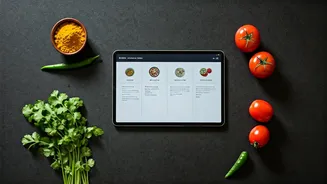
feel impenetrable to outsiders. The barrier to entry wasn't just the long ingredient lists; it was the unwritten techniques that seemed like a closely guarded secret. Enter the digital revolution. The first wave of food blogs began chipping away at this wall, but it’s the recent explosion of visual, short-form media on platforms like TikTok, Instagram Reels, and YouTube Shorts that has truly blown the doors open. Today, you don't just read how to 'temper' spices; you watch a 30-second video of mustard seeds crackling and popping in hot oil, the creator’s hands guiding you through the exact moment to pull the pan off the heat. This visual feedback loop is incredibly powerful, demystifying core techniques and building a cook's confidence in real time.
The "Weeknight" Reframe
A key part of this 'smarter' approach is a fundamental reframing of what an Indian meal can be. Online creators have become masters of marketing their cuisine to a time-poor, convenience-focused American audience. The language has shifted. Instead of presenting recipes as monolithic, traditional endeavors, they are packaged as practical solutions for modern life. You’ll now find endless posts titled '30-Minute Dal Tadka,' 'One-Pan Chicken Pulao,' or '15-Minute Chickpea Curry.' This isn't about 'dumbing down' the food. It’s a clever and necessary adaptation, proving that the rich, layered flavors of Indian cooking don't always require hours of simmering. By focusing on efficiency—using an Instant Pot, prepping ingredients in advance, or relying on high-impact spice blends—these creators are aligning Indian food with the weeknight dinner rotation, placing it alongside tacos and pasta as a viable, and far more exciting, option.
Smart Swaps and Accessible Ingredients
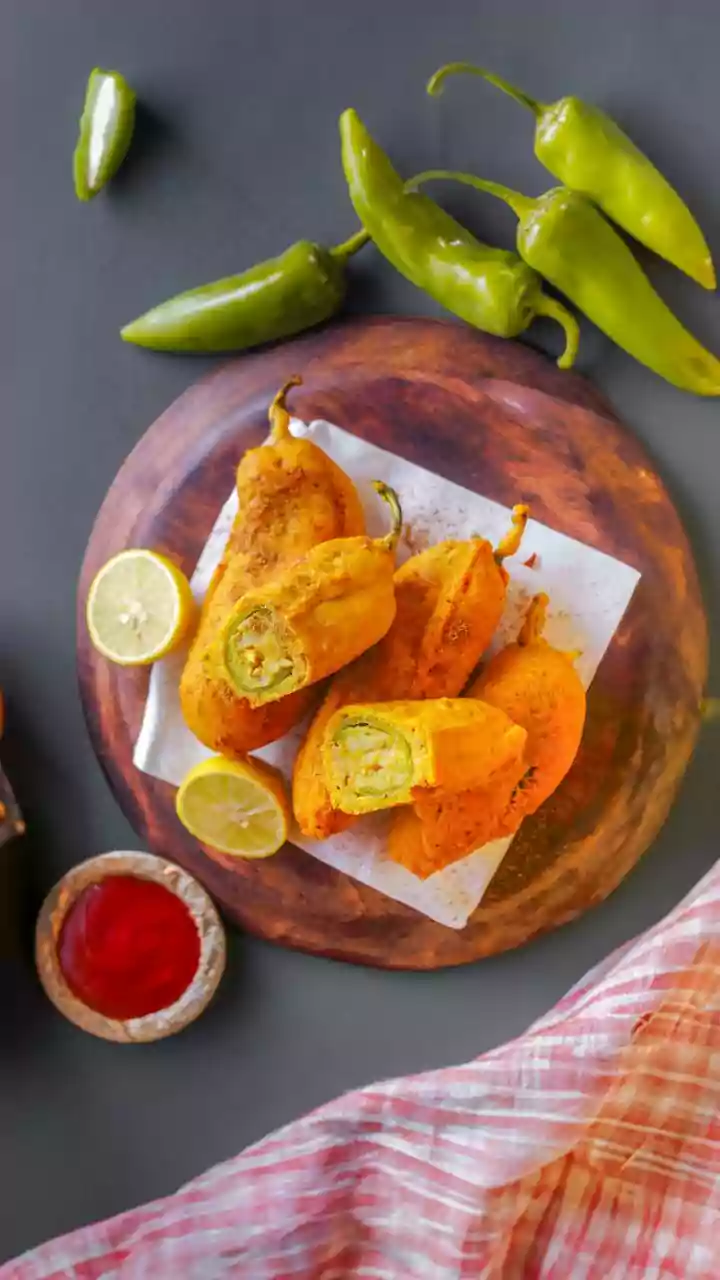
Perhaps the biggest hurdle for aspiring cooks has been the grocery list. A single recipe could call for asafoetida, curry leaves, and black mustard seeds—ingredients not typically found at a standard American supermarket. This is where online content has become exceptionally smart. Creators who understand their U.S.-based audience now build accessibility directly into their recipes. They offer practical, tested substitutions: 'If you can't find fresh curry leaves, you can leave them out.' 'A jalapeño works well if you don’t have Indian green chilies.' 'Here's the best garam masala you can buy at Trader Joe's.' This cultural and commercial translation is a game-changer. It lowers the activation energy required to attempt a new dish, transforming a potential trip to a specialty store across town into a quick grab from the local grocery aisle. It sends a clear message: you can start right now, with what you have.
Technique Over Dogma
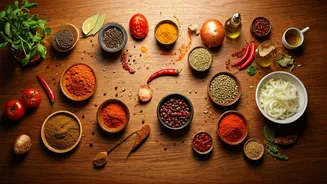
The smartest online content teaches principles, not just rigid recipes. Instead of just listing 'add ginger-garlic paste,' a video will show the texture it should be and explain *why* it’s cooked until the raw smell disappears—it’s about building foundational flavor. You don't just see a list of spices for a masala; you learn the concept of blooming whole spices in fat to extract their oils versus adding ground spices later to avoid burning them. This focus on the 'why' empowers home cooks to improvise and make a dish their own. Once you understand the basic structure of a North Indian curry base (onions, ginger, garlic, tomatoes, spices), you can apply that knowledge to countless variations using different vegetables, lentils, or proteins. The internet isn't just giving people fish; it's teaching them to fish, creating a new generation of cooks who are fluent in the grammar of Indian cuisine, not just memorizing its vocabulary.