

First, What’s the Big Deal with Probiotics?
Before we dive into the delicious part, let's talk about the science. Probiotics are live microorganisms—often called “good bacteria”—that are believed to provide health benefits when consumed, primarily for your digestive system. For years, we associated
bacteria with getting sick, but we now understand that our bodies host a complex ecosystem of trillions of microbes, collectively known as the microbiome. A healthy, diverse microbiome is increasingly linked to everything from better digestion and stronger immunity to improved mood. So, where do these traditional foods fit in? For centuries, before refrigeration was an option, cultures around the world used fermentation to preserve food. This process, which uses bacteria and yeast to break down sugars, not only keeps food from spoiling but also naturally creates a rich environment for these beneficial probiotics. What was once a simple survival technique has been rebranded by modern wellness as a gut-health biohack.
Kimchi: Korea’s Pungent Powerhouse
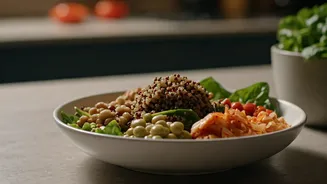
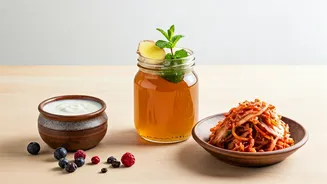
Once a niche item found only in Korean markets, kimchi is now a global superstar. This traditional side dish, made from fermented vegetables like napa cabbage and Korean radishes, is seasoned with a fiery and flavorful mix of gochugaru (chili powder), scallions, garlic, and ginger. Each family in Korea often has its own unique recipe, passed down through generations. Its recent explosion in popularity in the U.S. is twofold. First, the “Korean Wave” (Hallyu) has made everything from K-pop to Korean BBQ incredibly trendy. Second, as Americans look for more complex, bold flavors, kimchi delivers a spicy, sour, umami-rich punch that elevates everything from tacos and fried rice to a simple avocado toast. It’s the perfect storm of cultural cachet and culinary excitement, with a dose of probiotics as a bonus.
Kefir and Kombucha: The Fermented Drink Aisle
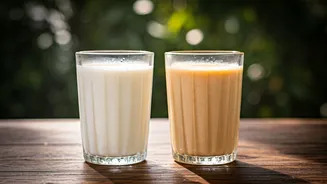
If you’ve noticed the refrigerated drink section expanding, you can thank kefir and kombucha. Kefir, a fermented milk drink with origins in the Caucasus Mountains of Eastern Europe, is like yogurt’s tangier, more drinkable cousin. It's made using “kefir grains” (a symbiotic culture of bacteria and yeast) and has a slightly effervescent quality. It’s being embraced as a protein-packed, probiotic-rich alternative to sugary smoothies. Kombucha, on the other hand, is a fizzy, fermented tea that has journeyed from a counter-culture home-brew to a billion-dollar industry. Its exact origins are murky but point to ancient China. Today’s commercial versions come in every craft flavor imaginable, from ginger-lemon to lavender-chamomile, positioning it as a sophisticated, low-sugar alternative to soda. Both drinks offer a tangible, sippable way to participate in the wellness trend.
Sauerkraut & Sourdough: A European Renaissance
It’s not just about exotic imports. Even familiar European staples are having a moment. Take sauerkraut. For many Americans, it was just a condiment for hot dogs. Now, artisanally made, unpasteurized sauerkraut is being celebrated for its crunchy texture and probiotic content. Unlike the shelf-stable, vinegary versions, true fermented sauerkraut is alive with flavor and beneficial microbes. Similarly, the sourdough craze that swept the nation during the pandemic lockdowns was more than just a baking hobby. Sourdough bread is leavened with a wild yeast starter—a living culture of flour and water. This fermentation process breaks down some of the gluten and starches in the flour, potentially making it easier to digest than standard commercial bread. It was a mass rediscovery of an ancient, more natural way to make a dietary staple.