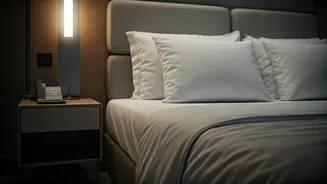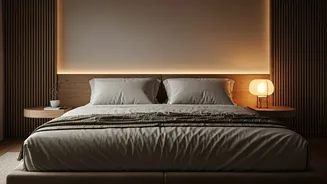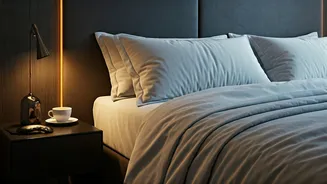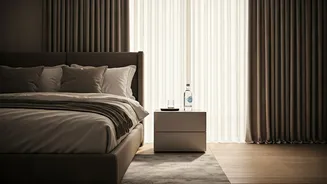



The New Definition of Luxury
For decades, the luxury travel experience was defined by opulence and excess: overflowing minibars, jam-packed itineraries, and late-night fine dining. Rest was simply what you did between activities. Now, a profound shift is underway. In our chronically
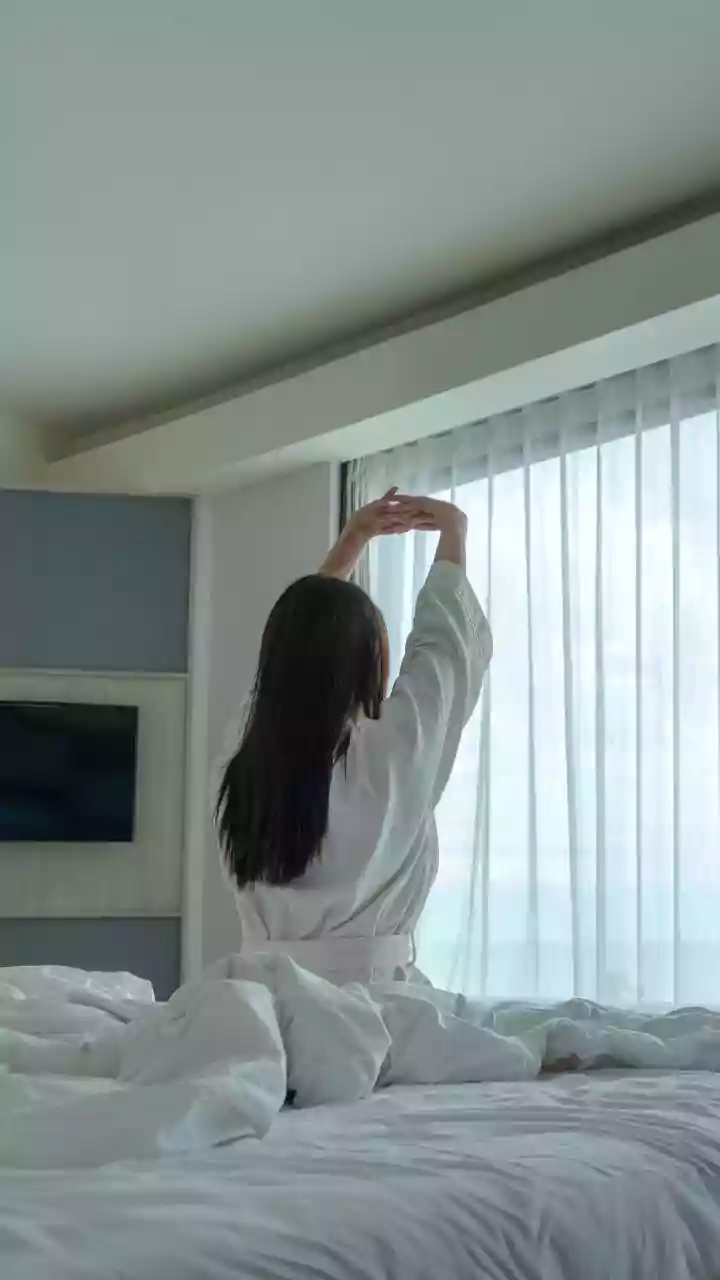
sleep-deprived, always-on culture, the ultimate luxury isn't another glass of champagne—it's eight hours of deep, restorative slumber. Hotels are capitalizing on this, repositioning themselves not just as places to stay, but as state-of-the-art sanctuaries for rest. The new status symbol isn't a corner suite with a view; it’s waking up feeling genuinely refreshed for the first time in months.
From Pillow Menus to Sleep Concierges
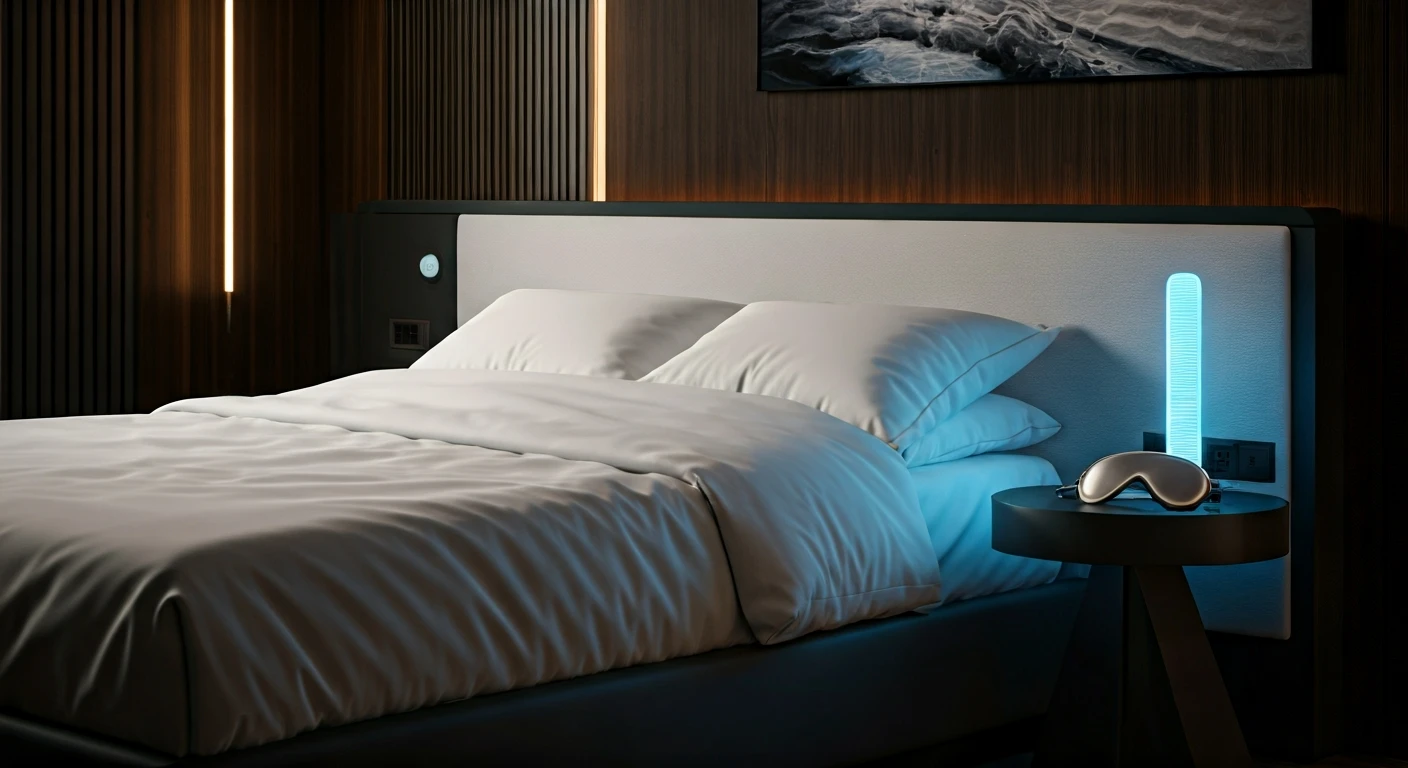
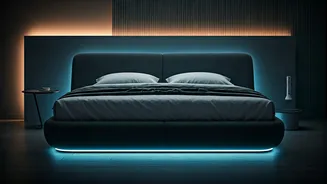
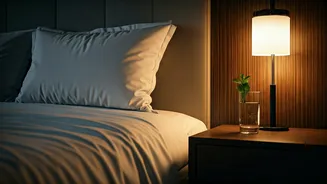
This isn't just about high-thread-count sheets and a quiet room anymore. The hospitality industry is rolling out a dizzying array of amenities specifically designed to engineer the perfect night's sleep. It started with pillow menus, but has rapidly evolved into a high-tech, highly curated industry known as "sleep tourism." Luxury chains like Rosewood Hotels & Resorts have launched entire "Alchemy of Sleep" retreats. Others, like the Park Hyatt New York, feature suites with AI-powered beds that adjust firmness and temperature throughout the night to optimize sleep cycles. You can now find hotels with dedicated sleep concierges, guided meditation channels on the TV, curated playlists, aromatherapy diffusers with custom scents, and even weighted blankets available upon request. It's a full-frontal assault on insomnia, packaged as a premium experience.
A Cure for Cultural Burnout
So why is this happening now? The rise of sleep tourism is a direct response to a deep-seated cultural problem: widespread burnout. Americans are working longer hours, staring at screens until the moment they close their eyes, and wrestling with a constant barrage of notifications and anxieties. The line between work and home has blurred into nonexistence for many. The result is a population that is, to put it simply, exhausted. We're not just tired; we are fundamentally depleted. A standard vacation filled with sightseeing can often feel like just another checklist to complete, leaving travelers returning home in need of a vacation from their vacation. Sleep-focused travel offers a different promise: not escape, but genuine restoration.
Taking the Rest Home
Here's where the "souvenir" concept really clicks. The goal of these programs isn't just to provide a single good night's sleep for $800. It's about providing an educational, transformative experience that guests can take home with them. These hotels are becoming living laboratories where travelers can test-drive cutting-edge sleep technology, learn relaxation techniques from wellness experts, and consult with nutritionists about sleep-friendly diets. The idea is that by experiencing what true rest feels like, and learning the habits and tools that facilitate it, you can reset your own circadian rhythm and import those lessons back into your daily life. The souvenir isn't the memory of a night in a fancy bed; it's the knowledge and motivation to finally fix your sleep for good.