
From Richness to Retreat
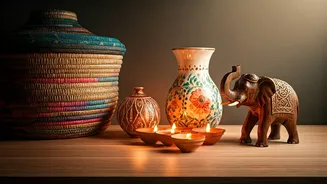
For decades, the popular image of Indian interior design, both at home and abroad, has been one of opulent maximalism. Think rooms layered with jewel-toned fabrics, dark, intricately carved wooden furniture, a pantheon of brass deities, and every surface
adorned with vibrant patterns. This style spoke of history, heritage, and a culture that celebrates abundance. But in bustling, modern Indian cities, a powerful counter-movement is taking hold. A growing number of homeowners and designers are editing, simplifying, and seeking something different: a sanctuary. They are trading sensory overload for sensory calm, creating homes that serve as a peaceful retreat from the energetic chaos of the outside world.
The New Indian Modern Aesthetic
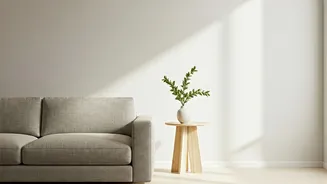
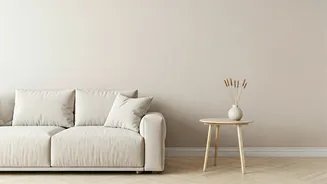
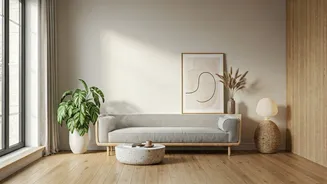
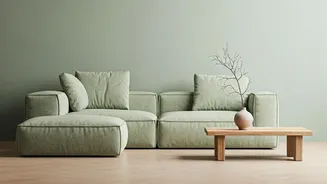
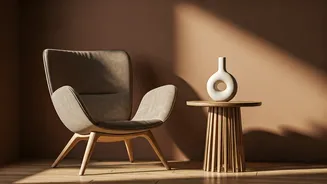
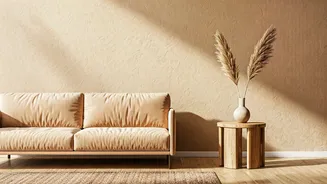
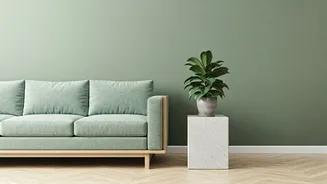
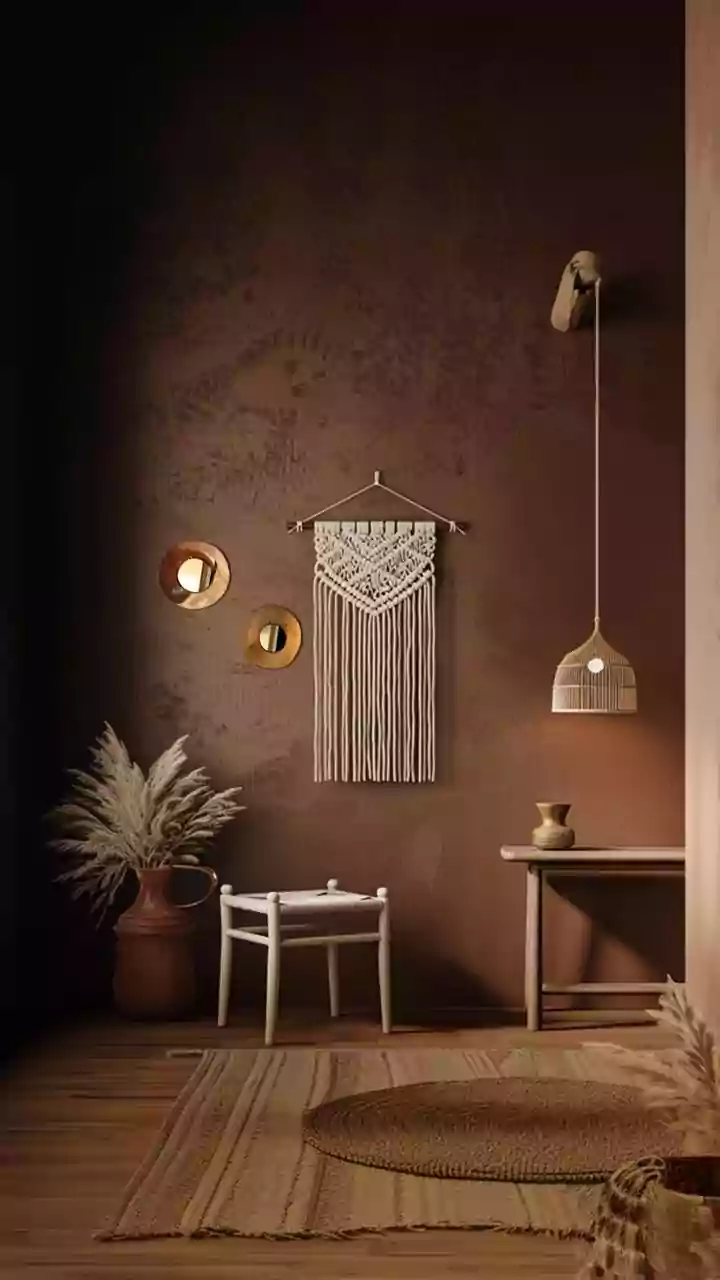
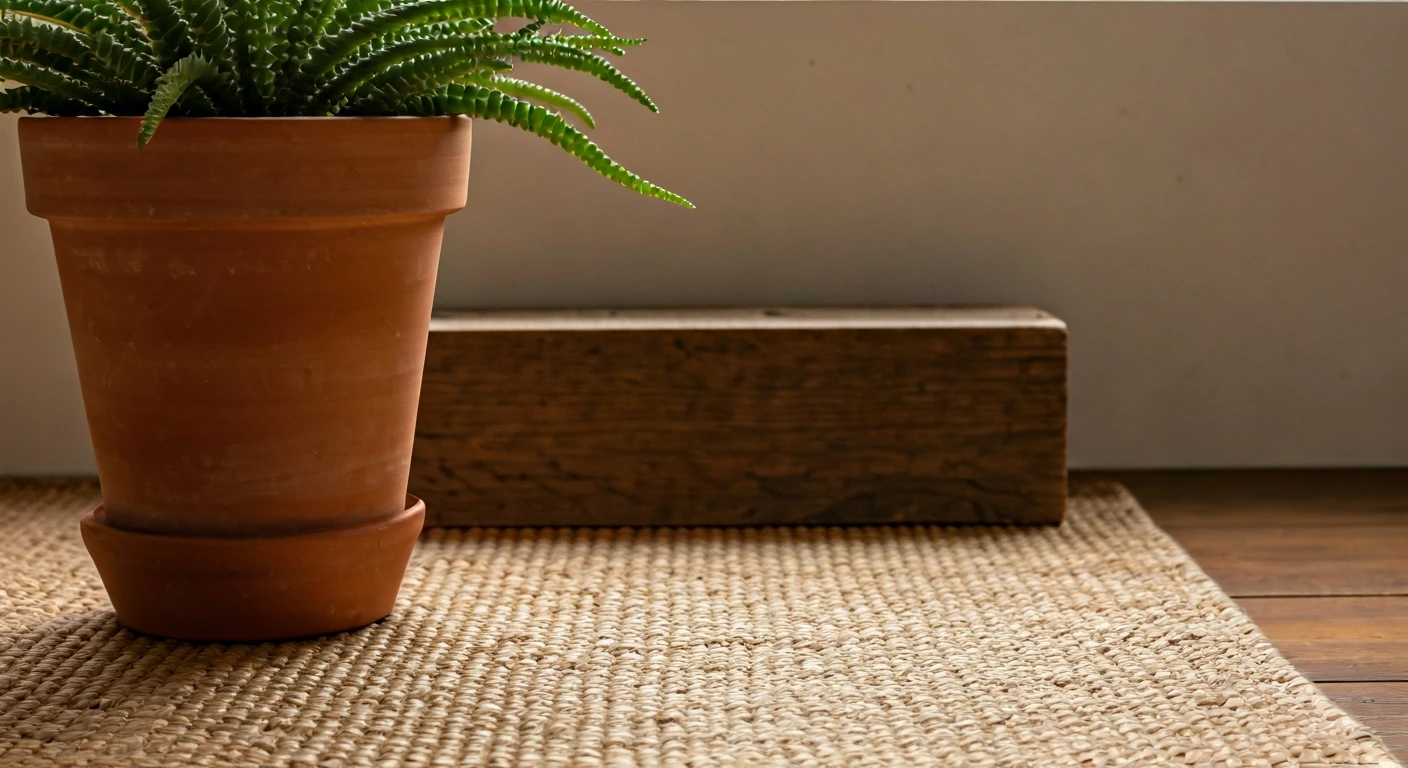
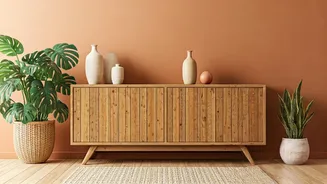
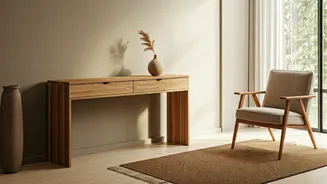
So, what does this new style look like? It’s less about a strict, cold minimalism and more about a warm, earthy simplicity. The palette has shifted from deep reds and golds to muted tones of terracotta, sage green, beige, and off-white. Natural light is now the most coveted feature, with spaces designed to feel open and airy. Materials are organic and textural: light-toned woods like teak and mango are used in cleaner lines, while rattan, jute, linen, and handmade ceramics provide tactile warmth. There's a clear influence from global trends like Scandinavian and Japanese design (the 'Japandi' look), but it's not a simple copy-and-paste. Instead, it’s a fusion that feels distinctly rooted in its environment, prioritizing comfort and mindfulness over sheer ornamentation.
A Conscious Response to Modern Life
This design shift isn't just about aesthetics; it's a cultural response to the pressures of 21st-century life. As India’s urban centers grow more crowded and connected, the home has become the last bastion of personal peace. For a generation of globally-aware young professionals, many of whom work in high-stress tech and corporate jobs, the desire for a tranquil living space is a form of self-care. It reflects a broader wellness movement emphasizing slow living, conscious consumption, and mental clarity. Instead of accumulating objects, the focus is on investing in fewer, better things that bring joy and serve a purpose. This 'less but better' philosophy is a direct antidote to the noise and demands of the digital age, creating a physical space that encourages you to breathe deeper.
Honoring Heritage, But Subtly
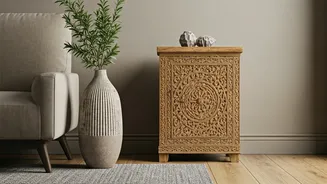
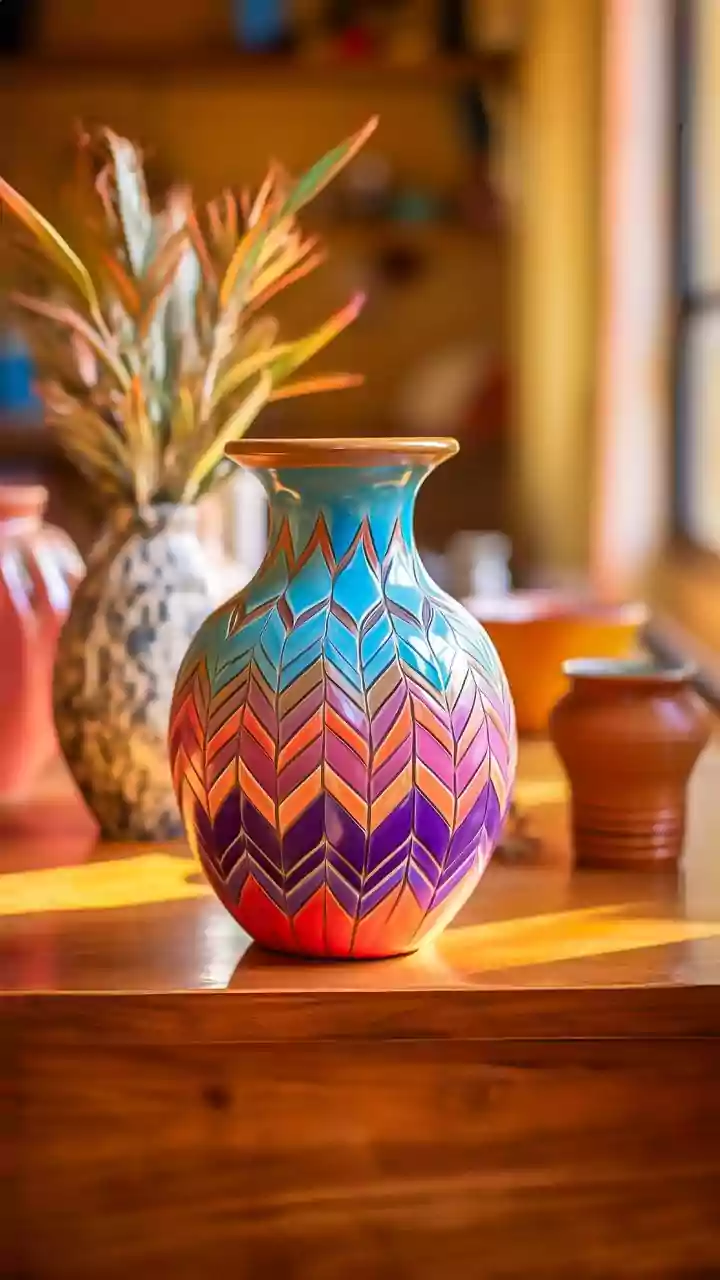
Crucially, this move toward simplicity is not a rejection of Indian heritage. It’s a reinterpretation of it. The new Indian modern style finds sophisticated ways to integrate tradition without overwhelming the space. Instead of a room filled with dozens of small artifacts, you might find a single, beautifully crafted urli (a traditional brass bowl) filled with water and floating petals as a serene centerpiece. A wall might feature a single, exquisitely framed piece of block-printed textile art rather than being covered in busy wallpaper. Artisanal craftsmanship is more valued than ever, but it’s showcased with restraint. A hand-thrown pot, a single piece of brass inlay furniture, or a minimalist chair woven with traditional techniques becomes a focal point, its beauty amplified by the negative space around it. It’s about honoring the story and skill of the artisan in a quiet, confident way.