





The New Wall of Bureaucracy
Let’s start with the paperwork. For decades, traveling to Europe as an American was as simple as booking a flight and showing your passport. That’s changing. The impending European Travel Information and Authorization System (ETIAS) will soon require
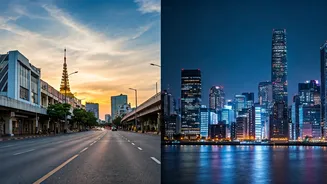
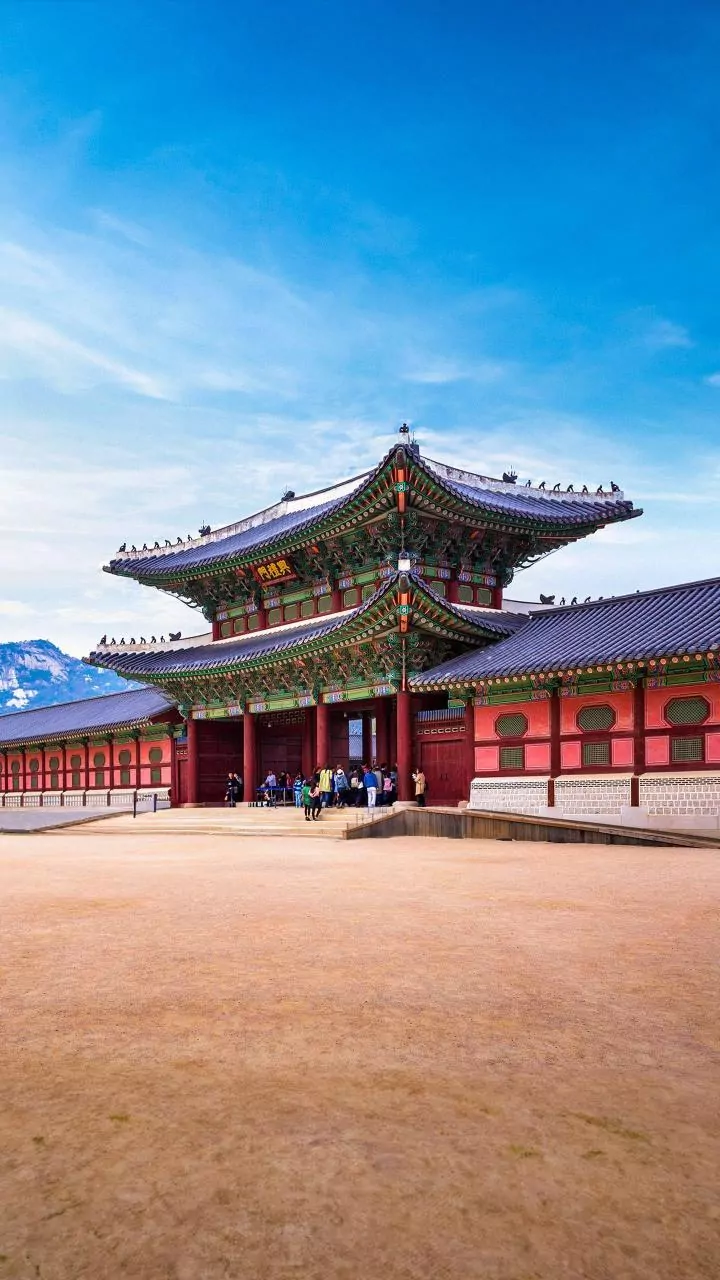
U.S. citizens to apply online and pay a fee for pre-travel authorization to visit the 30 countries in the Schengen Zone. While it’s not a full visa, it’s one more administrative step and one more thing to forget. Add to this the recent rollout of visitor fees in cities like Venice, aimed at curbing overtourism, and the dream trip starts to feel like a series of bureaucratic transactions. In contrast, many of Asia’s most alluring destinations remain refreshingly simple. Countries like Japan, South Korea, Malaysia, and Thailand offer generous visa-free stays for Americans, allowing for a spontaneity that’s becoming harder to find in Europe.
Your Wallet Will Thank You
It’s no secret that a European vacation can be punishingly expensive. In marquee cities like London, Paris, and Amsterdam, a simple lunch can easily set you back $30, and a mid-range hotel room can feel like a splurge. Inflation and high demand have pushed prices to eye-watering levels. Now, pivot to Asia. In places like Vietnam, Thailand, or the Philippines, that same $30 could cover a full day’s worth of incredible food, transport, and activities. Even in more developed nations like Japan and South Korea, your dollar stretches significantly further, especially when it comes to dining and local transit. The ability to eat well, stay in comfortable accommodations, and not have to check your bank account after every purchase is a powerful antidote to travel stress. It shifts the focus from budgeting to experiencing.
Escaping the 'Overtourism' Trap
Scroll through any travel-focused social media feed and you’ll see it: the shoulder-to-shoulder crowds at the Trevi Fountain, the long lines snaking outside the Louvre, the human traffic jam on the main streets of Dubrovnik. Major European cities are grappling with a level of overtourism that can diminish the magic of being there. While you can certainly find quiet corners, the main attractions often feel more like an obligation than a joy. Asia, by virtue of its sheer scale and diversity, offers countless alternatives. Yes, places like Kyoto or Bali have their own peak seasons, but it’s far easier to get off the beaten path. You can explore ancient temples in northern Thailand without seeing another tourist, hike through pristine landscapes in Taiwan, or discover a quiet beach in Malaysia. The sense of discovery feels more accessible and less manufactured.
Getting Around Is a Breeze
European train travel is romanticized for a reason, but it can also be a source of immense frustration. Between frequent labor strikes, confusing pass options (do I need a Eurail, Interrail, or country-specific pass?), and last-minute platform changes, navigating the continent by rail can be a logistical puzzle. In contrast, many Asian countries have leapfrogged ahead with hyper-efficient, clean, and astonishingly punctual public transport. Japan’s Shinkansen (bullet train) network is a world-famous model of reliability. South Korea’s KTX system is equally impressive and affordable. In Southeast Asia, budget airlines and intuitive ride-hailing apps like Grab make hopping between cities or across islands remarkably straightforward and cheap. Less time spent deciphering a train schedule means more time enjoying your destination.