

From Dopamine Decor to Digital Detox
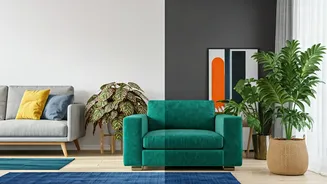
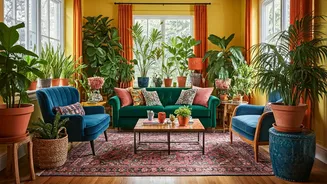
Just a year or two ago, the design world was buzzing with maximalism. Dubbed “dopamine decor,” the trend celebrated bold patterns, clashing colors, and rooms filled to the brim with quirky objects. It was a joyful, energetic response to the quiet isolation
of the pandemic. But as our lives have sped back up, the constant visual noise—both in our homes and on our screens—has led to a collective burnout. Now, the pendulum is swinging in the opposite direction. We’re seeking refuge, not stimulation. A calm, uncluttered home is becoming the ultimate luxury: a personal sanctuary where we can truly unplug, recharge, and find quiet in a loud world. This isn’t about sterile, empty minimalism, but about intentional, soul-soothing design.
Embrace the Power of Negative Space
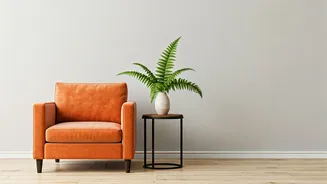
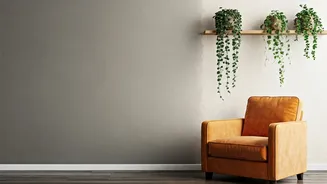
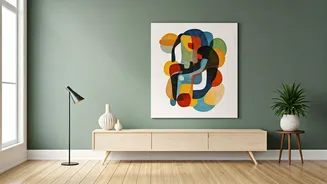
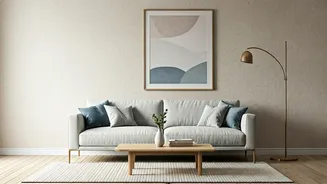
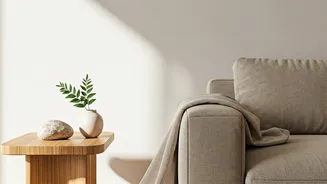
The single biggest shift from an overdecorated room to a calm one is the introduction of negative space. Think of it as a design element in its own right. In a maximalist room, every surface and every inch of wall is an opportunity for more stuff. In a calm layout, empty space is what allows the pieces you truly love to stand out. It gives your eyes a place to rest and creates a sense of openness and breathability. Start small: clear one surface completely, like your coffee table or a countertop. Leave only one or two intentional items, like a single vase or a stack of books. Notice how that small pocket of calm changes the feel of the entire room. Don't be afraid of a bare wall or an uncluttered corner; they are invitations to exhale.
Build a Foundation with Natural Materials
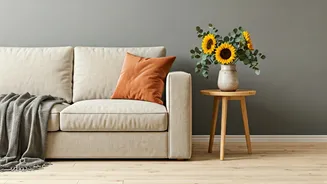
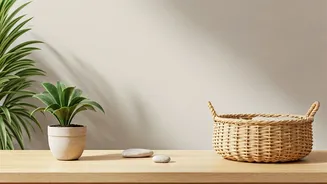
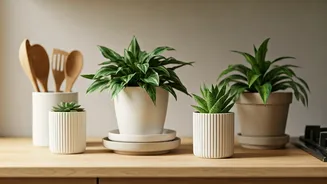
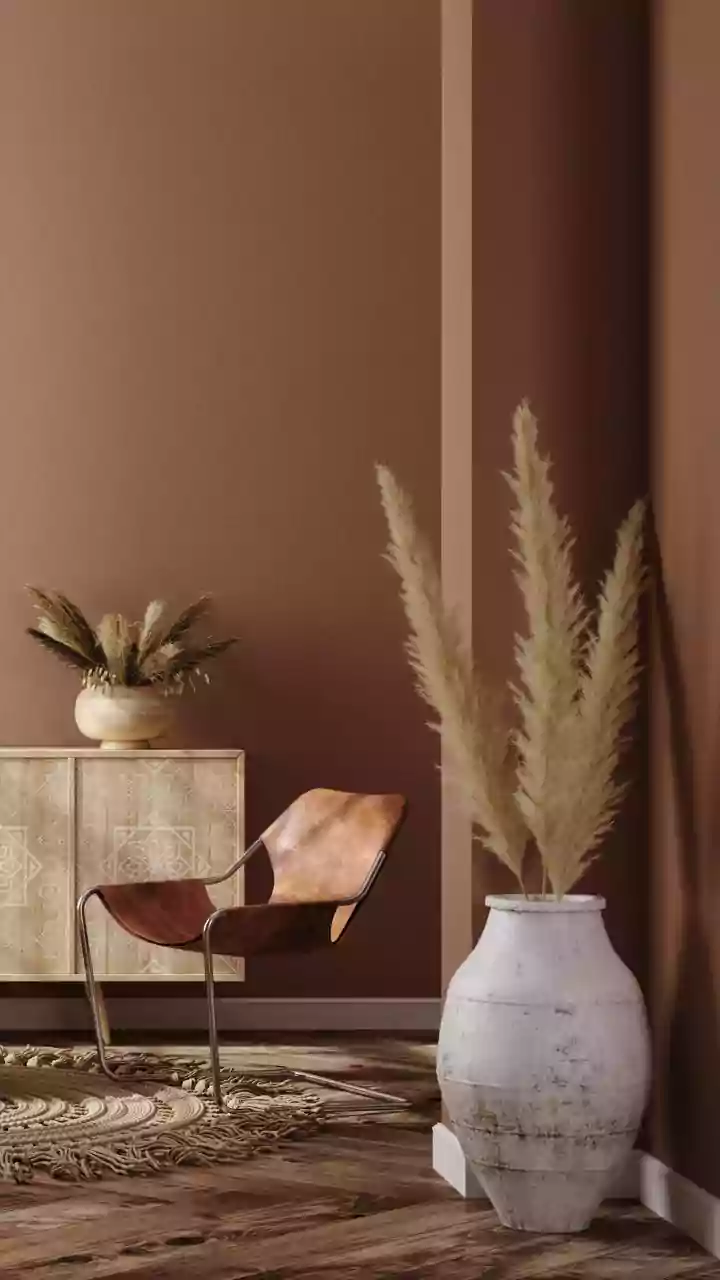
A key reason overdecorated rooms can feel jarring is the overuse of synthetic materials and clashing textures. A calm layout, by contrast, is grounded in the natural world. Swapping out a polyester rug for one made of wool or jute, or replacing a plastic planter with a terracotta pot, makes an instant impact. Focus on materials that feel good to the touch: warm woods, soft linens, cool stone, and nubby cottons. These elements add visual interest and depth without adding clutter. They also create a subtle, subconscious connection to nature, which is proven to reduce stress. A simple wooden bowl, a linen throw blanket, or a marble coaster can do more to create a serene atmosphere than a dozen loud, decorative objects.
Curate a Soothing, Cohesive Palette
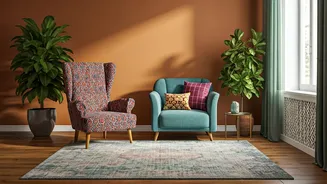
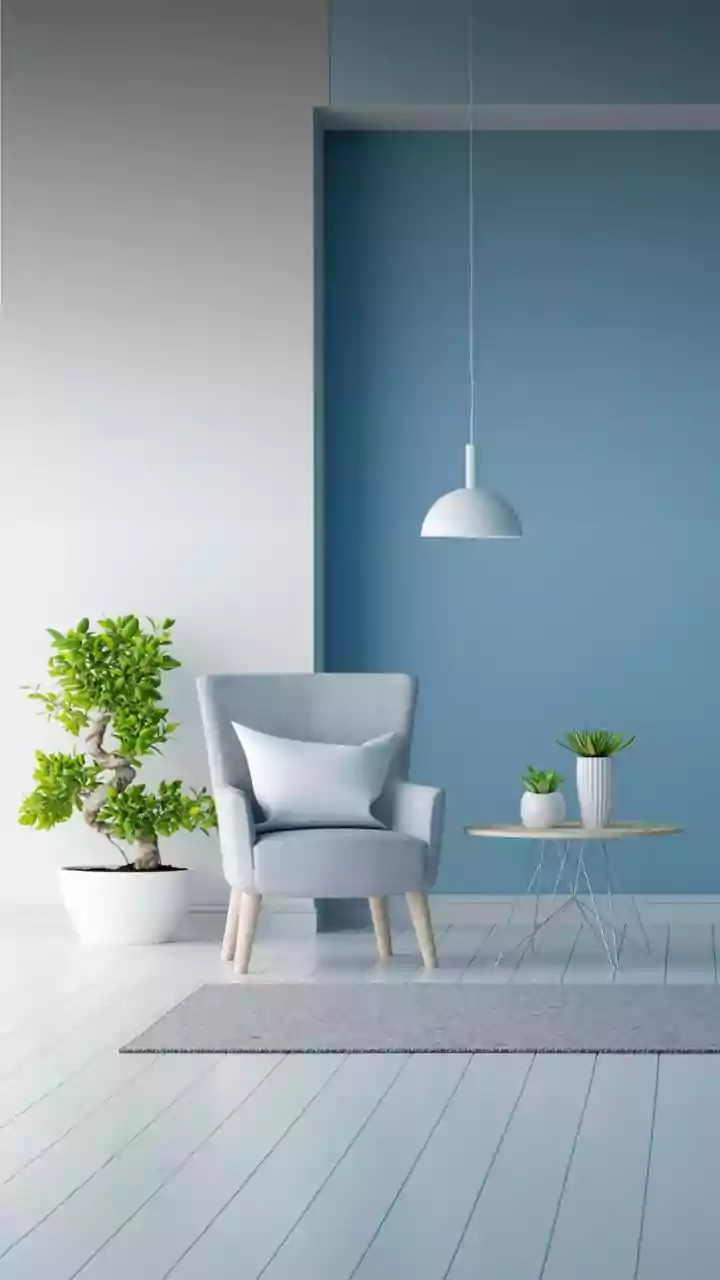
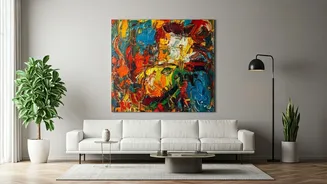
Calm doesn’t have to mean boring or all-beige. While a neutral base is often the starting point, the new vision of serene design embraces soft, muted colors drawn from nature. Think of the pale green of new leaves, the soft blue of a hazy morning sky, or the warm terracotta of desert clay. The key is cohesion. Instead of a riot of competing colors, a calm room uses a limited palette of three to four complementary tones. These colors flow from the walls to the furniture to the accessories, creating a harmonious and unified look. If you love color, don't banish it. Simply use it more intentionally—as a single statement piece of art or a collection of throw pillows in varying shades of the same hue.
Edit Your Possessions with Intention
This is often the hardest step. Overdecorated rooms happen when we accumulate things without a plan. A calm layout is the result of careful editing. This isn't about extreme decluttering or getting rid of everything that sparks joy. It’s about being a thoughtful curator of your own space. Ask yourself: does this object serve a purpose, or does it hold deep personal meaning? If not, it might just be visual noise. Try the “one in, one out” rule: for every new decorative item you bring home, an old one must go. For collections, consider rotating them. Instead of displaying all 20 of your ceramic vases at once, showcase your favorite three for a season and store the rest. This makes the items on display feel more special and keeps your surfaces from looking like a storage unit.