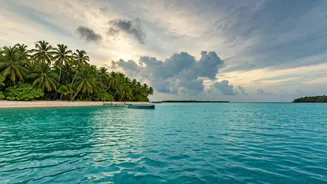



First Off, Where Is Lakshadweep?
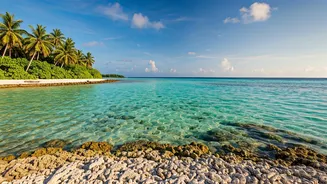
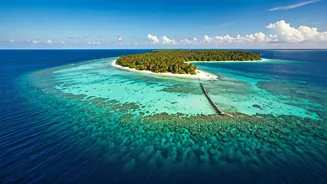
Think of Lakshadweep as India’s answer to the Maldives, located a few hundred miles off the southwestern coast in the Arabian Sea. This union territory is an archipelago of 36 islands, though only a handful are inhabited and even fewer are open to tourists.
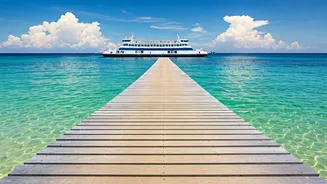
Known for its stunning coral reefs, impossibly clear water, and a laid-back vibe, it has long been a protected gem. Unlike more commercialized tropical destinations, access is restricted; both Indian and foreign travelers need a special permit to visit, a measure designed to preserve its fragile ecosystem and unique local culture. The main entry point is through Kochi (Cochin) in the state of Kerala, from where you can take a small plane or a passenger ship to the main islands like Agatti, Kavaratti, and Bangaram.
Understanding the Monsoon's Grip
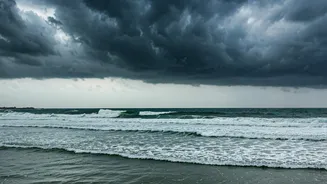
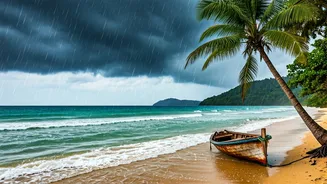
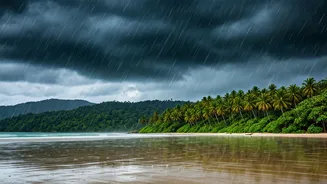
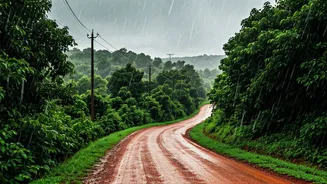
When we say monsoon, don't picture a few afternoon showers. The Southwest Monsoon, which typically slams this region from late May through September, is a powerful weather system. It brings torrential downpours, high winds, and extremely rough seas. For a destination that is all about the water, this is a game-changer. The churning ocean reduces visibility for diving and snorkeling to near zero. Strong currents make swimming dangerous, and the constant wind and rain mean that idyllic beach days are off the table. While the islands gain a lush, rain-washed beauty, the very activities that draw travelers become difficult, if not impossible, to enjoy.
What 'Flexible Itinerary' Really Means
This is the key takeaway for any prospective traveler. "Flexible-itinerary mode" is a polite way of saying you should expect significant disruptions. The primary mode of transport between the islands is by boat or ferry. During the monsoon, these services are frequently canceled due to rough seas, leaving you potentially stranded on one island or unable to reach another. Even the flights to Agatti, the archipelago's only airport, can face delays or cancellations due to weather. Most water sports operators shut down completely. Many resorts and guesthouses use this lean period for maintenance and may not be fully operational. So, flexibility doesn't just mean being open to a change of plans; it means being prepared for the possibility that the core components of your trip—island hopping, diving, snorkeling, sunbathing—may not happen at all.
So, When Is the Best Time to Go?
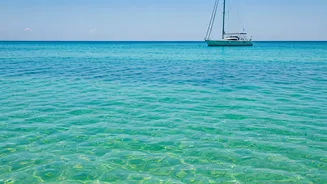
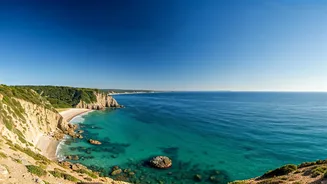
The ideal time to visit Lakshadweep is during the dry season, which runs from October to mid-May. During these months, the weather is picture-perfect: calm seas, clear skies, and warm, sunny days. This is the peak season when the islands truly shine. All water activities are available, inter-island transport runs smoothly, and the vibrant coral reefs are fully accessible to divers and snorkelers. The visibility underwater is exceptional, often exceeding 100 feet. If your dream is to experience the quintessential tropical paradise—the one you see in the brochures—planning your trip between these months is non-negotiable. The monsoon season is for the truly adventurous soul who doesn't mind being confined by weather, or for those specifically interested in off-season travel with minimal expectations for activities.
A Destination on the Rise
It’s worth noting that Lakshadweep has recently been in the spotlight. After a high-profile visit by India's Prime Minister Narendra Modi in early 2024, interest in the islands as a premier domestic and international tourist destination skyrocketed. The resulting online buzz has put Lakshadweep on the map for many American travelers who may have previously only considered more famous destinations like the Maldives or Seychelles. This renewed focus is expected to bring infrastructure improvements, but for now, the islands retain their rustic, untouched charm. This makes the allure even stronger, but also reinforces the need to plan your visit thoughtfully around the formidable monsoon.