
So, What Is the 'Soft Life'?
At its core, the 'soft life' is a conscious rejection of difficulty and stress as prerequisites for a valuable life. It’s a lifestyle philosophy centered on prioritizing peace of mind, comfort, and personal well-being above the relentless pursuit of career
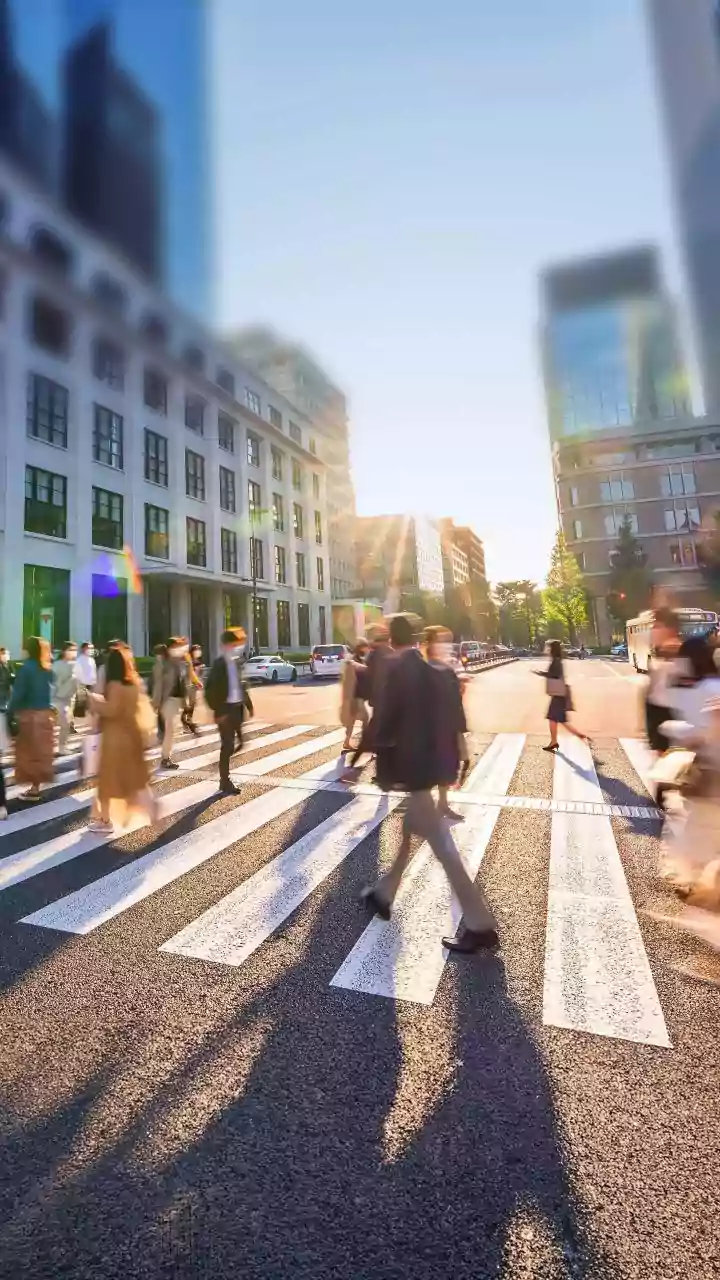
ambition and financial accumulation. Where 'hustle culture' glorified sleepless nights and a jam-packed schedule, the soft life celebrates slowness, intention, and ease. This isn’t about laziness; it's about defining success on your own terms. That might look like choosing a lower-paying job that offers better work-life balance, setting firm boundaries to protect your energy, or simply finding joy in everyday moments without feeling the need to monetize them. It’s the antithesis of the 'rise and grind' ethos that dominated the 2010s, asking a simple question: What if life could be easier, and what if we allowed it to be?
The Backlash to Hustle Culture
The rise of the soft life isn't happening in a vacuum. It’s a direct and powerful reaction to a decade dominated by the 'girlboss' and the gospel of relentless optimization. Many who bought into that dream found themselves facing burnout, anxiety, and a feeling that the goalposts were always moving. The pandemic acted as a major catalyst, forcing a collective re-evaluation of what truly matters.
For millions of Americans, lockdowns, remote work, and widespread uncertainty broke the hypnotic rhythm of the daily grind. People began questioning if their high-stress jobs were worth the toll on their mental and physical health. The 'Great Resignation' wasn't just about people finding new jobs; it was about people seeking entirely new ways of living. The soft life provides a name and an aesthetic for this widespread desire to downshift and live a more purpose-driven, less frantic existence.
How It Shows Up on Your Feed
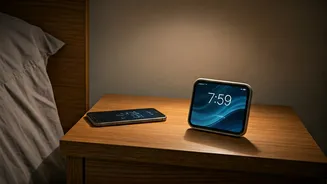
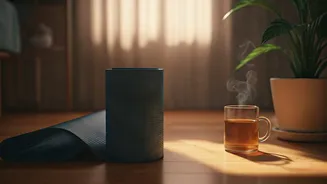
On platforms like TikTok and Instagram, the soft life manifests in a variety of cozy and aspirational ways. It’s less about showing off extravagant wealth and more about showcasing a wealth of peace. You’ll see it in videos of someone meticulously preparing a morning coffee, not to fuel a 12-hour workday, but as a cherished morning ritual. It's in the 'cozy gaming' trend, where players choose low-stakes, aesthetically pleasing video games over competitive ones.
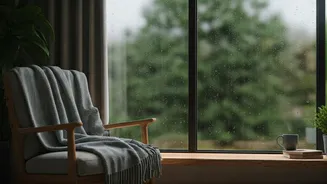
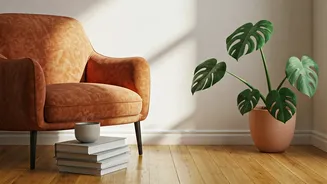
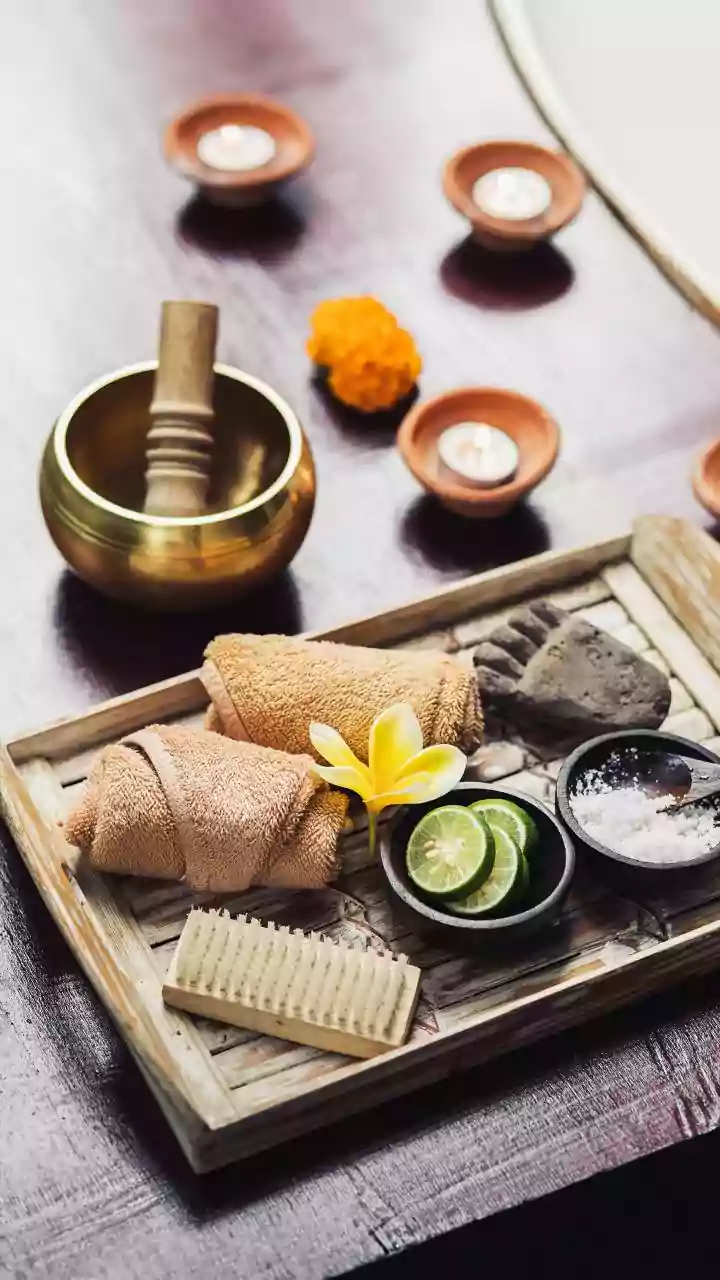
Other common visuals include reading a book in a sun-drenched nook, tending to a small garden, taking a quiet walk in nature, or indulging in a luxurious but simple at-home skincare routine. The key is that these activities are presented as ends in themselves—acts of self-care and enjoyment, not side hustles or productivity hacks. It’s about romanticizing your own life, finding beauty and contentment in the mundane.
More Than Just an Aesthetic
It's easy to dismiss the soft life as just another unattainable aesthetic, reserved for those with the privilege of time and money. After all, a curated feed of cashmere blankets and artisanal tea doesn't reflect the reality of most people's financial pressures. And it's true that the trend, like many others, can be co-opted by consumerism. However, its roots run deeper. The term gained significant traction within Nigerian online communities, specifically as a call for Black women to embrace ease and luxury in a world that often demands their relentless strength and labor.
At its best, the soft life isn't about buying expensive things; it’s about a mental shift. It’s about giving yourself permission to rest, to say 'no,' and to detach your self-worth from your productivity. While the social media version may be polished, the underlying principle is accessible to many: it's the choice to find softness and ease wherever you can, whether that's enjoying a cup of tea for five uninterrupted minutes or deciding not to answer work emails after hours.