




The Great Domestication of Travel
For years, the American travel script felt predictable. Sun-seekers went south or west, city-breakers hit the major metropolitan hubs, and the Northeast? It was largely typecast as a fleeting autumnal spectacle. But the cultural and practical shifts of
the past few years have rewritten that script. A collective recalibration has placed a new premium on domestic, drive-able destinations that offer space, fresh air, and a sense of disconnection without the hassle of long-haul flights. This isn't just about convenience; it's a change in appetite. Travelers, weary of over-touristed hotspots and complex itineraries, are finding profound luxury in simplicity. The Northeast, with its vast network of state parks, meandering country roads, and charming small towns, offers an antidote to the chaos. It provides a canvas for a slower, more deliberate kind of travel, where the goal isn't to tick off a list of sights but to immerse oneself in a landscape.
Embracing the Verdant Wilderness
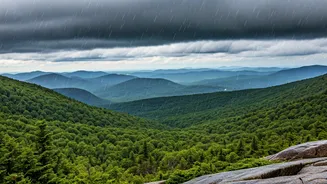
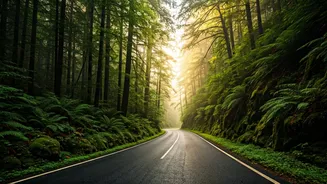
The magic of the Northeast in summer is its sheer, unadulterated greenness. It’s a multi-sensory experience that goes far beyond a simple color palette. It’s the feeling of cool, damp air in a hemlock grove in Vermont’s Green Mountains. It’s the sound of a rushing stream echoing through a granite notch in New Hampshire’s White Mountains. It’s the sight of ferns blanketing a forest floor in the Adirondacks, so thick and lush they seem to vibrate with life.
This is a different kind of sublime than the dramatic, red-rock grandeur of the West. It’s more intimate, more enveloping. The dense canopy of a maple and birch forest creates a cathedral-like quiet, broken only by birdsong or the rustle of leaves. For many, this immersive greenery has a restorative effect that feels particularly potent now. It offers a tangible counterpoint to screen time and concrete jungles, a return to something primal and calming.
Beyond the Autumnal Cliché
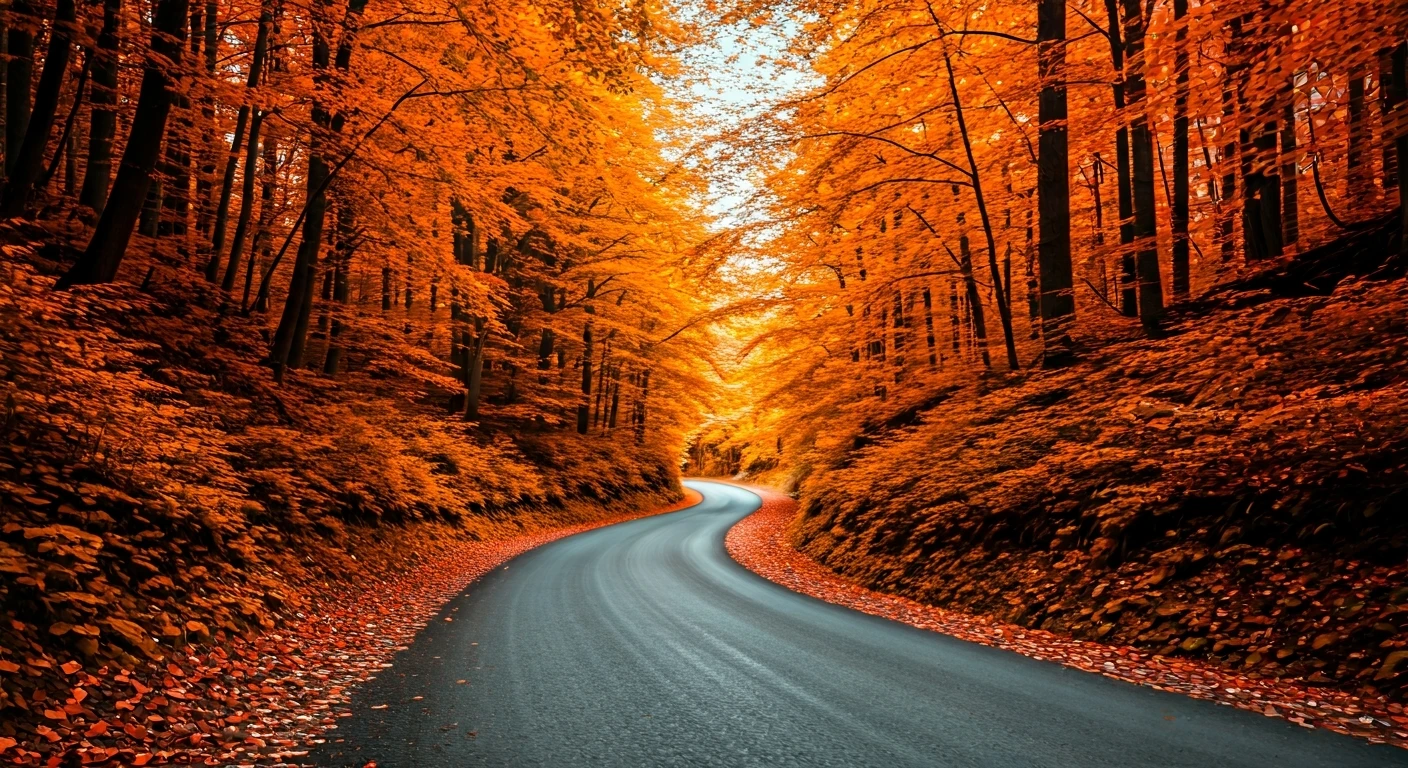
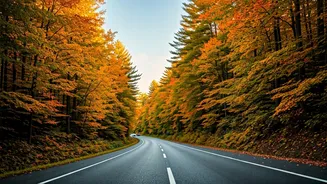
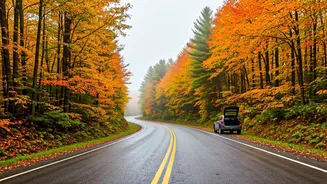
Let’s be clear: the Northeast’s autumn is, and always will be, world-class. But relying solely on its fall reputation is like only listening to a band’s greatest hit. The “again” in this renewed interest is crucial; travelers aren't just coming back, they're coming back for a different season, a different reason. They are discovering the region’s peak season for life, not its graceful decline.
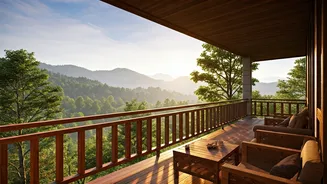
Summer unlocks a different kind of activity. It’s the season for kayaking on pristine lakes in Maine, hiking to cascading waterfalls in the Berkshires, or simply sitting on a porch with a book, listening to a chorus of crickets. The days are long, the farm stands are overflowing, and the coastal towns are buzzing with a relaxed energy. By embracing the summer, visitors are seeing the region not as a seasonal postcard, but as a living, breathing destination in its own right.
Finding Your Patch of Green
The beauty of this trend is its accessibility. You don’t need a complicated plan to experience it. It can be as simple as picking a region and exploring. The Hudson Valley in New York offers a perfect blend of pastoral landscapes, culinary delights, and artistic communities. The coast of Maine, from the sandy beaches of the south to the rugged cliffs of Acadia National Park, provides a constant interplay between deep green forests and the blue Atlantic.
In Vermont, Route 100 winds through the heart of the Green Mountains, connecting postcard-perfect towns and offering endless detours into nature. And in Western Massachusetts, the Berkshires offer a sophisticated mix of culture and wilderness, where you can hike a challenging trail in the morning and see a world-class performance in the evening. The point isn’t a single must-see spot, but an entire region ready for rediscovery.