

A River at the Heart of a Nation
For most Americans, the Indus is a line on a map, a mighty river flowing through Pakistan and northern India. But in the Indian cultural imagination, it is much more. The river, known as Sindhu in Sanskrit, is considered the cradle of one of the world's
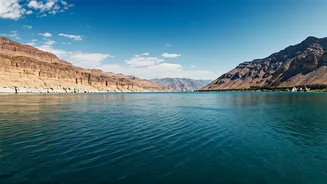
oldest civilizations. Its name is the etymological root of "Hindu," "Hindustan," and ultimately, "India" itself. For centuries, it has been revered as a sacred source of life and identity, a silent witness to millennia of trade, and spiritual evolution. The Sindhu Darshan Festival, or "Indus Sighting Festival," is a modern effort to re-center this ancient reverence, inviting people to come and pay homage to this foundational waterway.
The Birth of a Modern Pilgrimage
Unlike religious festivals with roots lost to antiquity, the Sindhu Darshan Festival is a relatively recent creation. It was first conceived in 1997 with the aim of promoting national integration and celebrating the shared heritage embodied by the Indus River. Held annually in June near Leh, the capital of Ladakh, the festival takes place on the auspicious day of the full moon, known as Guru Purnima. The idea was to create a pilgrimage site that celebrated unity in diversity, drawing people from every corner of India to the river that symbolizes their common cultural ancestry. It's a patriotic and spiritual event rolled into one, a conscious act of remembrance and celebration on the roof of the world.
Rituals of Unity and Reverence
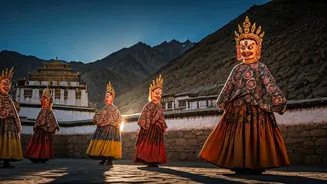
The festival is a vibrant, multi-sensory experience. The central ritual involves participants bringing water in urns from rivers in their own home states. In a deeply symbolic act, they pour this water into the Indus, representing the merging of India's diverse regional cultures into a single, unified whole. It’s a powerful visual metaphor for the idea of "E Pluribus Unum" played out on a sacred landscape. The air fills with the sound of traditional prayers led by Buddhist lamas from Ladakh, followed by dazzling cultural programs. Troupes from states across India—from the dancers of Punjab to the musicians of Tamil Nadu—perform in traditional attire, turning the riverbank into a kaleidoscope of color, sound, and movement.
More Than a Festival, a Spiritual Journey
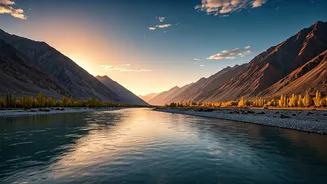
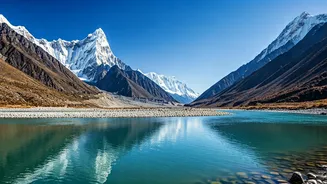
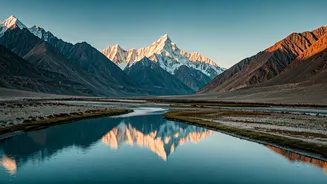
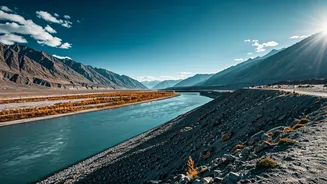
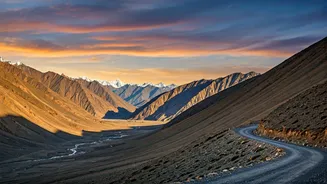
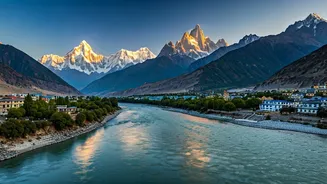
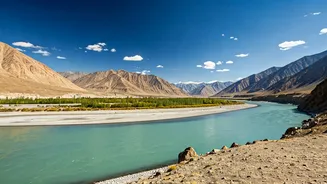
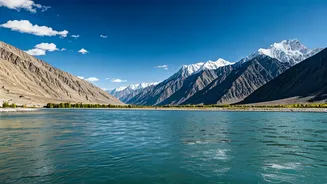
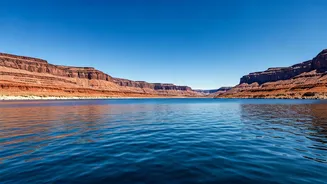
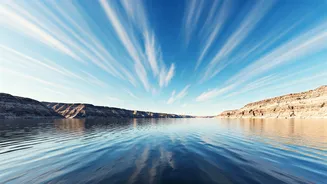
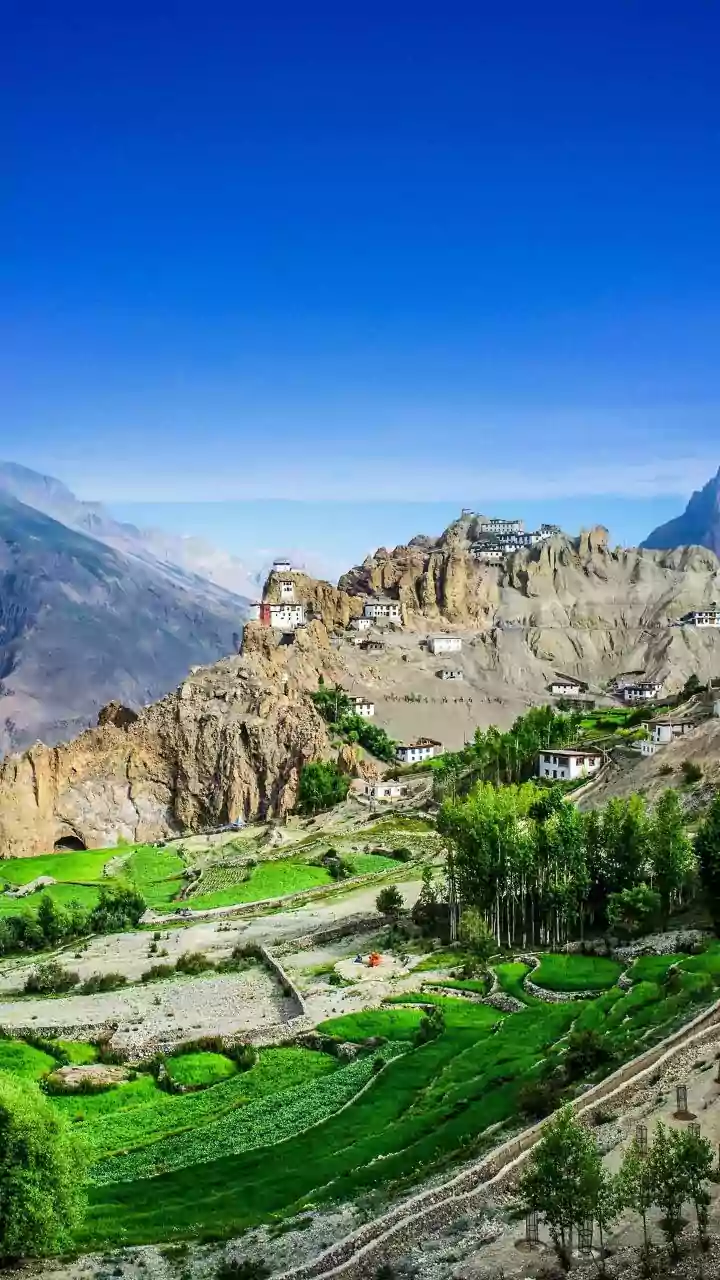
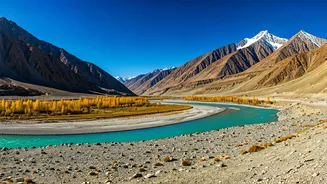
While the festival has a strong cultural and nationalistic component, for many who make the arduous journey to Ladakh, it is profoundly spiritual. These are not just tourists; they are pilgrims. They come seeking connection—to nature, to their heritage, and to something larger than themselves. The stark, breathtaking beauty of the Ladakhi landscape, with its barren mountains and deep blue skies, provides a dramatic backdrop for introspection. Standing on the banks of the fast-flowing Indus, a river that has sustained life for 5,000 years, offers a powerful sense of perspective. It’s an opportunity to step away from the noise of modern life and connect with a primal, life-giving force, celebrating not just a river, but the very flow of life and culture itself.