



The Allure of the Antebellum Dream
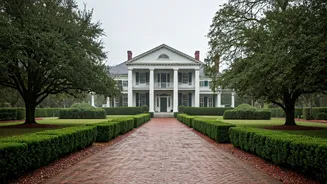
There is an undeniable aesthetic pull to the American South’s grand old homes. The appeal is baked into our cultural consciousness, reinforced by films and novels. It’s the vision of sweeping lawns, ancient oaks draped in Spanish moss, and stately architecture
that seems to stand outside of time. For a traveler, especially on a dreary, rain-soaked day, the idea of retreating into one of these historic structures feels like stepping into a private, living museum. The quiet halls, antique furnishings, and sprawling grounds offer a sense of seclusion and grandeur that a modern hotel chain simply cannot replicate. This fantasy is powerful. It promises a connection to a seemingly more elegant and simple past, a temporary lordship over a beautiful domain. It’s a curated experience designed to feel personal, exclusive, and deeply peaceful.
The Ghosts on the Veranda
The problem with this fantasy is that it is built on a foundation of erasure. These properties were not merely “homes”; they were plantations, forced-labor camps where generations of Black people were enslaved. The tranquility one might feel on the veranda was purchased with the profound suffering of others. The wealth that built the grand columns and filled the rooms with fine furniture was extracted through violence, coercion, and the brutal institution of chattel slavery. While a guest today might admire the craftsmanship of a spiral staircase or the pastoral beauty of the surrounding fields, those same fields were scenes of backbreaking, unpaid labor, and the house itself was a site of constant surveillance and control. The “privacy” offered to a modern tourist is a jarring echo of the absolute power once wielded by the enslaver. To enjoy the aesthetic without acknowledging the human cost is to participate, even passively, in the silencing of millions of voices. The history of these places is not just in the architecture, but in the soil itself, and it is a history of bondage, not just beauty.
Marketing a Painful Past
This historical amnesia is often by design. Many venues that operate on former plantation sites carefully curate their marketing to appeal to tourists and, most controversially, wedding parties. Words are chosen with precision. “Plantation” may be replaced with “estate,” “manor,” or “gardens.” The cabins where enslaved people lived are sometimes referred to as “rustically charming” guest cottages or “servants’ quarters.” The narrative focuses almost exclusively on the lives, luxuries, and dramas of the white land-owning family. This framing has faced significant and growing public backlash. Advocacy groups like Color of Change have successfully campaigned for major wedding and travel platforms like Pinterest and The Knot to stop promoting venues that glorify plantation history. The debate centers on a crucial question: Is it possible to celebrate a union or enjoy a vacation on ground consecrated by profound human suffering? For many, the answer is a clear and resounding no, as it treats a site of historical trauma as a romantic backdrop.
Conscious Travel and Fuller Histories
This doesn’t mean these sites must be wiped from the map. In fact, many historians and preservationists argue for the opposite: they must be preserved, but with a commitment to telling the full, unvarnished truth. A growing number of historic sites are shifting their focus. Places like the Whitney Plantation in Louisiana have moved the stories of the enslaved from the margins to the very center of their interpretation. They use first-person narratives, memorials, and exhibits to ensure visitors confront the brutal reality of slavery. These tours are not designed to be comfortable or private; they are educational and deeply sobering. For travelers, the choice is becoming clearer. One can opt for the curated fantasy that erases the past or seek out the places dedicated to confronting it. Engaging with this history honestly means replacing the desire for a “private” escape with a willingness to listen to the public, and often painful, stories that these landscapes hold.