




The Psychology of the Good Old Days
Why does a familiar tune, a vintage logo, or the return of a beloved snack food hit us so hard? It’s not just about remembering; it’s about feeling. Psychologists call this the “reminiscence bump,” the tendency for older adults to have an increased recollection
of events that occurred during their adolescence and early adulthood. But nostalgia marketing targets this on a mass scale, aiming for younger demographics, too. It works by creating an emotional shortcut. In a world of infinite choice and constant change, nostalgia provides a sense of comfort, continuity, and belonging. It taps into a time when things felt simpler or more authentic, offering a brief, comforting escape from present-day anxieties. For a generation that grew up with shared cultural touchstones—the same Saturday morning cartoons, the same hit songs on the radio—a nostalgic product reactivates that feeling of community in a fragmented digital world.
Mining the Millennial and Gen Z Gold Rush
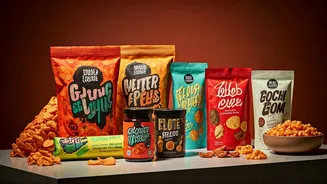
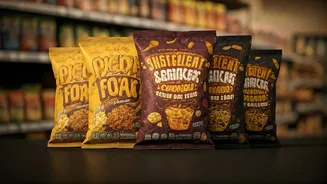
While every generation feels nostalgia for its youth, the current economic engine is powered by the 1990s and early 2000s. Millennials, now in their peak earning and spending years, are the prime target. This is the generation that grew up with the first wave of Pokémon, dial-up internet, and boy bands. Brands are reviving these cultural artifacts with staggering success. Think of the rebooted Motorola Razr, the return of Dunkaroos, or the endless stream of legacy sequels like *Jurassic World* and *Ghostbusters: Afterlife*. But it’s not just for Millennials. Older Gen Z, who experienced the tail end of this era, also romanticizes it. Through TikTok and Instagram, Y2K fashion—low-rise jeans, velour tracksuits, tiny shoulder bags—has become a dominant trend, adopted by a generation that was too young to wear it the first time. For them, it’s a form of retro cosplay, an aesthetic discovery that feels both new and comfortingly familiar.
Not Just a Carbon Copy
The most successful nostalgia plays aren’t lazy rehashes; they are clever remixes. They understand that consumers want the feeling of the original, but with modern sensibilities. The runaway success of *Barbie* wasn’t just about putting a classic toy on screen. It was a self-aware, funny, and feminist-laced critique that honored the doll’s legacy while acknowledging its complicated history. Similarly, *Top Gun: Maverick* succeeded because it delivered the sun-drenched, high-octane thrill of the original but grounded it in a more mature story about aging and legacy. In contrast, nostalgia fails when it’s just a hollow cash-grab—a soulless remake that copies the plot points but misses the heart. The modern consumer is savvy; they can spot the difference between a loving tribute and a cynical marketing ploy. The key is to evoke the past without being trapped by it, using familiarity as a launchpad for something that feels relevant today.
The Economics of Comfort
The rise of nostalgia marketing isn’t happening in a vacuum. It’s a direct response to our turbulent times. Faced with economic uncertainty, political polarization, and the overwhelming noise of social media, consumers are seeking psychological safety. A new, untested product is a risk. A familiar brand or franchise is a guaranteed emotional return. You know what you’re getting, and you know it will make you feel good. For companies, this makes nostalgia an incredibly safe bet. Developing a completely new intellectual property is expensive and risky. Reviving a known entity comes with a built-in audience and a pre-made marketing campaign. It’s a predictable business model in an unpredictable world. The past has been market-tested, and in an age of anxiety, reliability is a feature, not a bug.