





The Thirsty Land Awaits
Before the rains, the Andamans hold their breath. The sun of the dry season, relentless and bleaching, can bake the landscape into a state of thirsty anticipation. The vibrant greens of the jungle canopy fade to a dusty olive, and the air grows thick
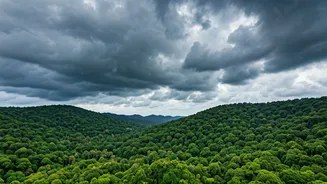
with heat and humidity. This is the high season, when beaches like Radhanagar on Havelock Island (now Swaraj Dweep) are dotted with sunseekers chasing postcard-perfection. But for those in the know, this is merely the prelude to the islands' most dramatic and atmospheric performance. Then, usually around late May, the sky shifts. The brilliant blue surrenders to a moody canvas of gray and silver. The wind picks up, carrying the salty, earthy scent of impending rain. It’s a tangible change that locals and long-stay travelers feel deep in their bones—a promise of relief, renewal, and transformation.
A World Washed Anew
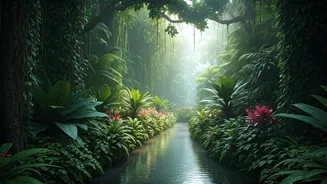
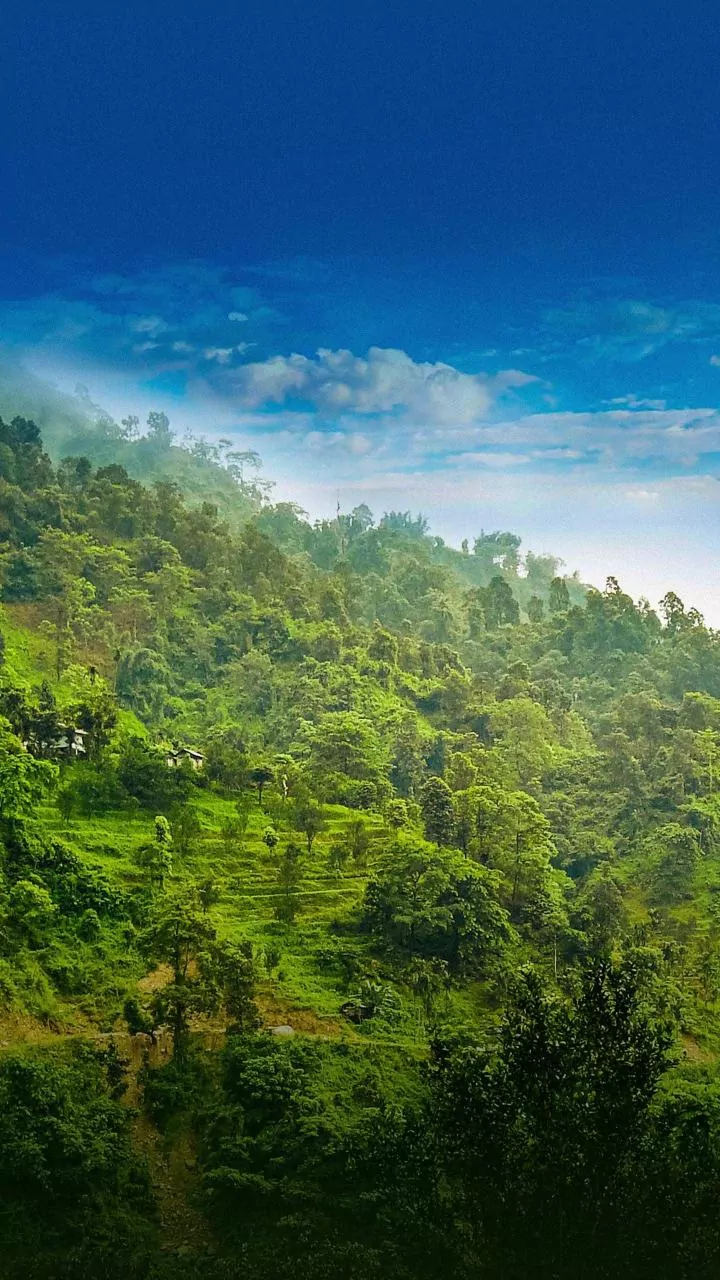
The first downpour is an event. It doesn’t sneak in; it arrives with theatrical force, drumming on tin roofs and turning dusty paths into rivulets of rich, red earth. For hours, or even days, the rain can be an all-encompassing force. But when it subsides, the world it leaves behind is utterly reborn. This is the source of the “lush glow.” The jungle, which covers nearly 90 percent of the islands, explodes in a spectrum of greens so intense they seem to vibrate. Ferns unfurl, mosses thicken on tree trunks, and the air becomes clean and cool. The emerald canopy drips with life, and the fragrance of wet soil and blooming flowers—wild orchids, jasmine—is intoxicating. Sunlight, when it breaks through the clouds, doesn't just illuminate the landscape; it refracts through the moisture-laden air, casting a soft, ethereal glow on everything it touches. The famous white-sand beaches, now often empty, are framed by a jungle that looks super-saturated, as if a divine hand turned up the color.
The Rhythm of a Rainy Day
For the traveler, a monsoon holiday in the Andamans is an exercise in surrender. It’s not for the person who needs a packed itinerary of snorkeling and sunbathing. It’s for the person who finds joy in the rhythm of nature. A typical day involves waking to the sound of rain, grabbing a book and a hot cup of chai, and settling into a veranda chair to watch the sky perform. The rain is rarely constant for the entire season. It often comes in intense bursts, followed by periods of calm, overcast skies or even brilliant sunshine. These interludes are precious. They’re perfect for a walk along a deserted beach, where the waves are often larger and more dramatic than in the dry season. It’s a time for reflection, for slowing down, and for experiencing a popular destination in its most authentic and peaceful state. The usual tourist hustle vanishes, replaced by a quiet intimacy shared with the few other travelers who have discovered the secret.
An Off-Season Adventure
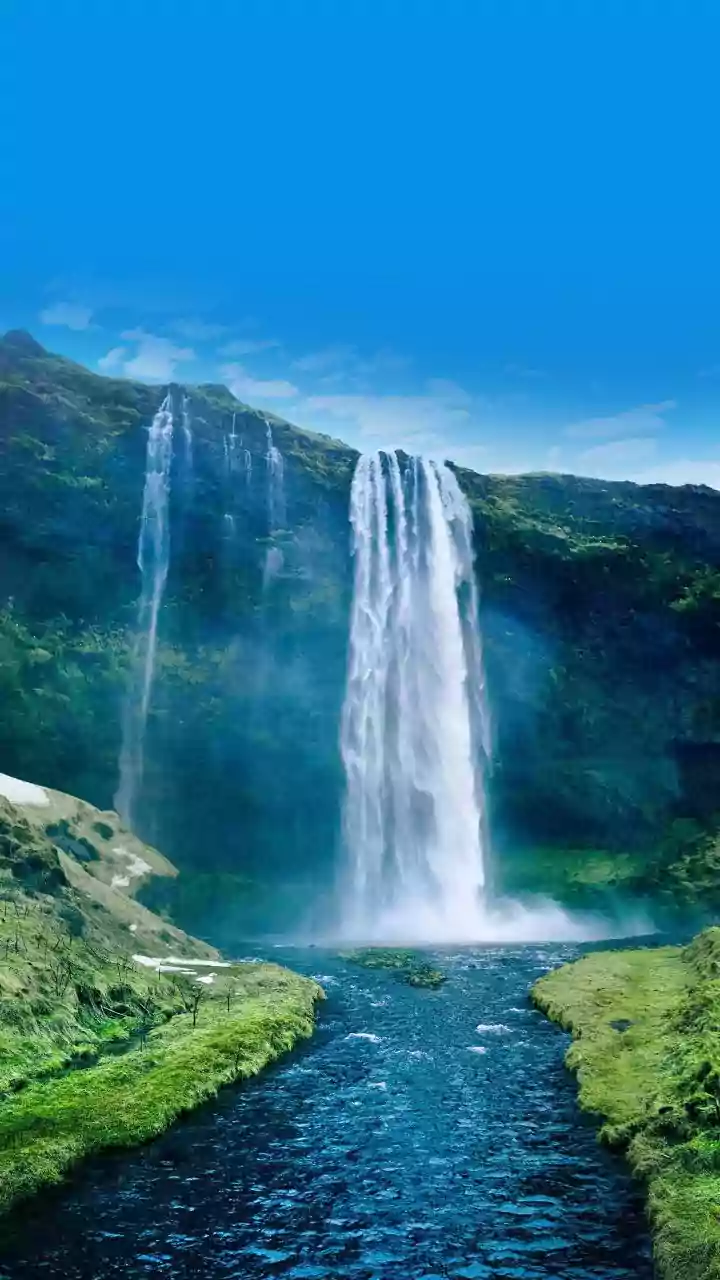
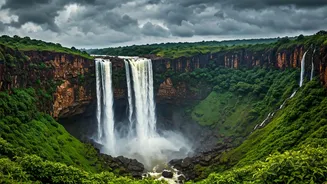
Choosing the monsoon season does come with trade-offs. Ferry services between islands can be less reliable, and some water sports may be off-limits due to choppy seas. But the rewards are significant. Accommodation prices are often much lower, and the oppressive crowds of peak season are nowhere to be found. You’ll have breathtaking viewpoints and jungle trails largely to yourself. Moreover, the monsoon creates its own attractions. Temporary waterfalls cascade down hillsides that are bare during the dry months. The misty, cloud-shrouded hills of islands like North Andaman or the drive through the Jarawa Tribal Reserve take on a mysterious, primeval beauty. For photographers, the dramatic skies, moody light, and vibrant colors offer a completely different palette to work with than the flat, bright light of the high season. It’s a chance to capture the soul of the islands, not just their sunny facade.