



When the Template Doesn't Fit
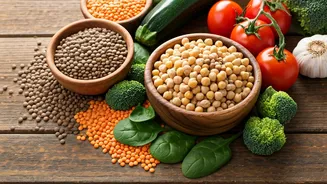
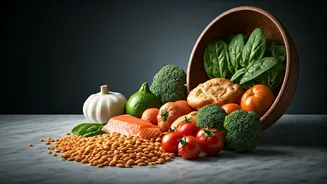
For decades, Western-centric diet advice has dominated the health landscape. Plans like paleo or keto, which often villainize grains and legumes, are fundamentally at odds with a traditional Indian diet. Indian cuisine is built on a foundation of lentils
(dal), chickpeas (chana), whole-wheat flatbreads (roti), and rice. These aren't just 'carbs'; they are cornerstones of flavor, culture, and daily life. To tell someone from this background to simply cut them out is not just dietary advice—it's asking them to disconnect from their heritage. Furthermore, generic calorie-counting or macro-tracking apps often fail to recognize the complexity of Indian cooking. How do you accurately log a spoonful of homemade sabzi that contains a dozen different spices, vegetables, and a unique blend of fats? The process becomes a frustrating exercise in approximation, leading many to feel that modern wellness wasn't designed for them. This disconnect has sparked a powerful counter-movement: a return to principles that understand the nuances of the Indian plate.
The Wisdom of Bio-Individuality
The alternative isn't about abandoning health goals; it's about finding a different framework. For many, that framework is Ayurveda, the ancient Indian system of medicine that has viewed food as a pillar of health for thousands of years. At its core, Ayurveda is built on the concept of bio-individuality. It posits that there is no single 'healthy' diet for everyone. Instead, the ideal diet depends on a person's unique constitution, or dosha (Vata, Pitta, and Kapha). This ancient system of personalization goes beyond just ingredients. It considers the six tastes (sweet, sour, salty, pungent, bitter, and astringent), the time of day, the season, and a person's digestive strength. A meal is considered balanced when it satisfies these elements, promoting not just physical health but also mental clarity and emotional equilibrium. It’s an intuitive, holistic approach that feels less like a restrictive diet and more like a sustainable way of living in harmony with one's own body.
A Modern Fusion Takes Hold
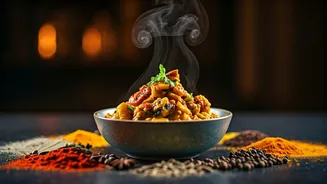
This isn't just about dusting off ancient texts. A new generation of Indian and Indian-American dietitians, nutritionists, and chefs are pioneering a powerful fusion. They are blending the ancestral wisdom of Ayurveda with the evidence-based rigor of modern nutritional science. This hybrid approach acknowledges that while tradition offers a powerful blueprint, it can be enhanced by contemporary knowledge. This looks like creating meal plans that honor the six tastes while still being mindful of portion sizes and glycemic loads. It involves finding ways to reduce the oil in a traditional curry without sacrificing its soul, or swapping refined grains for millets and other ancient whole grains that are making a comeback. These practitioners are teaching people how to cook their favorite comfort foods—like dal makhani or biryani—in ways that support their health goals. They are proving that you don't have to choose between your culture and your well-being; you can have both.
More Than Just a Meal Plan
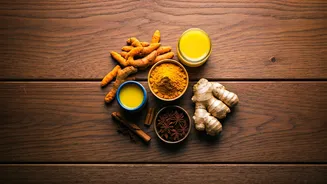
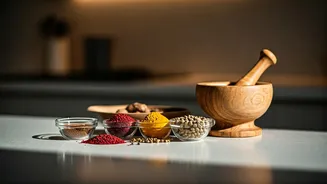
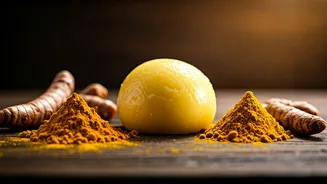
Ultimately, the shift toward custom food in Indian wellness is about more than just what's on the plate. It is a powerful act of cultural reclamation. It challenges the colonial-era hangover that often positioned Western practices as superior and indigenous knowledge as outdated. For many in the diaspora, reconnecting with the dietary wisdom of their ancestors is a way of strengthening their identity and pushing back against a wellness industry that has long lacked diversity. This movement asserts that a bowl of lentil soup (dal) can be just as cleansing as a green juice, and that spices like turmeric, cumin, and ginger are potent wellness tools in their own right. It’s a declaration that 'healthy' doesn't have a single look or taste. It can, and should, reflect the rich diversity of the people seeking it.