

The Synergy You’ve Been Missing
Before we dive into the spice box, let’s get clear on the term. 'Food synergy' is the nutritional science concept that nutrients from whole foods work more effectively in the body when eaten together than they do when consumed as isolated supplements.
It’s the idea that 1 + 1 doesn’t equal 2; it might equal 3 or 4. The combination of vitamins, minerals, and phytochemicals in a whole meal creates a powerful effect that’s greater than the sum of its parts. While biohackers and nutritionists are now mapping these interactions with scientific rigor, grandmothers in Mumbai, Kolkata, and Chennai have been practicing this intuitively for generations. Their laboratory was the kitchen, and their peer-reviewed journals were family recipes passed down through centuries.
The Golden Rule: Turmeric and Black Pepper
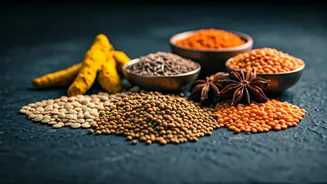
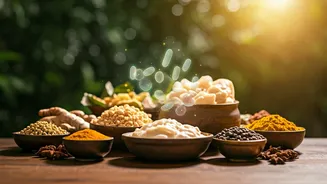
Let’s start with the most famous example, the poster child for Indian food synergy: turmeric. The vibrant yellow spice is lauded for its anti-inflammatory compound, curcumin. The problem? On its own, our bodies are terrible at absorbing it. Most of the curcumin we eat gets metabolized before it can do any good. But Indian cooks have unknowingly been using a 'bio-enhancer' all along. Enter black pepper. A pinch of pepper contains piperine, a compound that, according to numerous studies, can boost curcumin absorption by up to 2,000%. That’s not a typo. Nearly every savory Indian dish that contains turmeric also contains black pepper. It’s not just for seasoning; it’s a functional partnership that turns a simple spice into a potent health ally.
The Humble Power Couple: Lentils and Rice
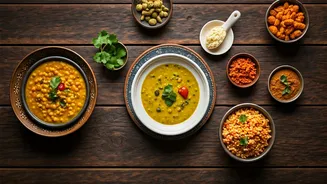
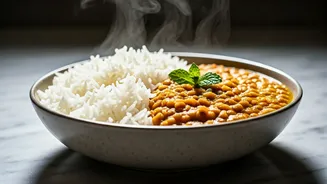
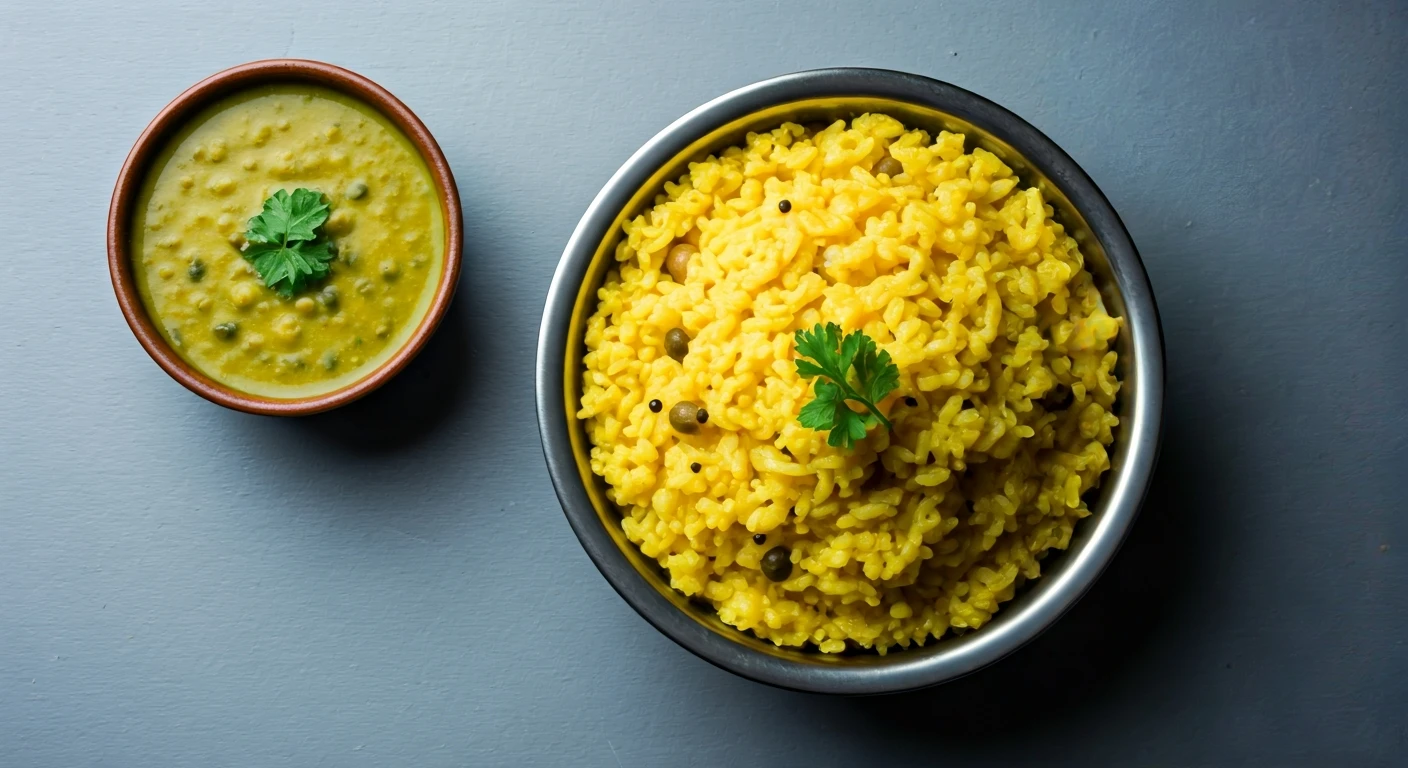
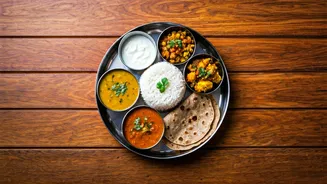
For millions of vegetarians in India, the simple, comforting meal of dal and rice (or lentils and rice) is a daily staple. On the surface, it’s a delicious, affordable meal. Nutritionally, it’s a masterpiece of plant-based protein engineering. Most plant proteins are 'incomplete,' meaning they lack one or more of the nine essential amino acids our bodies can't produce on their own. Grains like rice are low in the amino acid lysine, while legumes like lentils are low in methionine. Eaten separately, they’re good, but not great. Eaten together, they perfectly complement each other’s amino acid profiles, forming a 'complete protein' that’s on par with meat or eggs. It’s the foundation of a healthy vegetarian diet, perfected long before anyone counted their macros.
The Cooling Counterpart: Yogurt’s Balancing Act
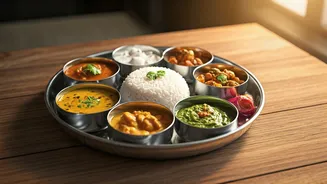
Indian food is a symphony of bold flavors—spicy, sour, sweet, and pungent. But for every fiery curry, there is a cooling counterpart, and it’s usually yogurt. A side of raita (yogurt mixed with herbs and vegetables) or a glass of lassi isn’t just there to soothe your palate after a bite of something spicy. Yogurt is packed with probiotics, the beneficial bacteria that support a healthy gut microbiome. These probiotics can help balance the digestive system, making it easier to process rich, complex, and spicy meals. The cooling nature of yogurt provides immediate relief from the heat of chiles, while its healthy fats can also help in the absorption of fat-soluble vitamins from the vegetables and spices in the main dish. It's a built-in digestive aid, served right on the plate.
The Sizzle with a Secret: Tempering Spices
The final flourish on many Indian dishes is the *tadka* (or *chaunk*), where whole spices are briefly sizzled in hot ghee or oil and poured over the finished dish. That aromatic sizzle isn’t just for show. This technique, called tempering, is another stroke of synergistic genius. Many of the most beneficial compounds in spices like cumin, mustard seeds, and asafoetida are fat-soluble. Blooming them in hot fat helps extract these compounds and their flavors, making them more aromatic, flavorful, and, crucially, more bioavailable for your body to absorb. It’s a final, fragrant step that unlocks the full potential of the spices, turning them from simple powders into a powerful, digestible part of the meal.