




The End of an Imported Ideal
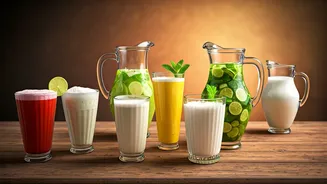
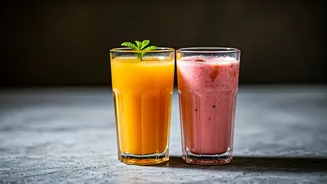
Not long ago, the aspirational health content targeting young Indians looked strikingly familiar to American audiences, but with a local twist. Influencers promoted detox teas, 1,200-calorie meal plans, and 'bikini body' transformations, often framing
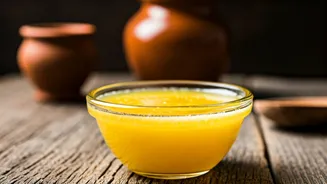
Western diet fads as the pinnacle of modern health. This approach implicitly suggested that traditional Indian ways of eating—rich in grains, legumes, and ghee—were somehow outdated or 'unhealthy.' The pressure was to conform to a globalized, often Eurocentric, standard of thinness, creating a cycle of guilt and restriction around culturally significant foods.
A Return to the Roots
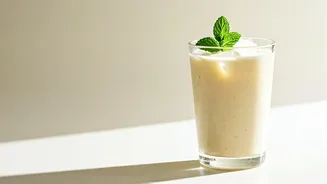
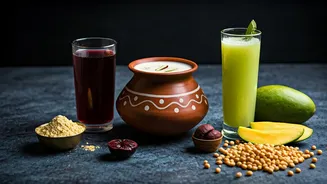
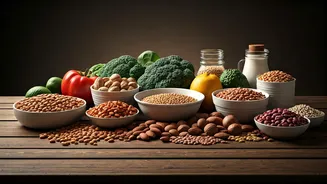
The new wave of Indian wellness creators is actively dismantling that narrative. Instead of promoting green juice cleanses, they are celebrating home-cooked meals like dal, sabzi, and roti. Their feeds are filled with vibrant thalis (platters with a balanced assortment of dishes) and tutorials on the benefits of spices like turmeric and ginger. This isn't just about nostalgia; it's a conscious movement to reclaim and legitimize ancestral food wisdom. Influencers are explaining the principles of Ayurveda, not as a mystical cure-all, but as a centuries-old system for understanding individual body types and eating in harmony with the seasons. By showcasing the nutritional science behind a bowl of khichdi or the digestive benefits of buttermilk, they are empowering their audience to see strength, not shame, in their culinary heritage.
Holistic Health Over Hustle Culture
This shift extends far beyond the plate. The 'crash diet drama' was often part of a broader hustle culture that glorified extreme effort and constant self-optimization. The new approach is fundamentally gentler. Content now focuses on holistic well-being, where mental health is given as much weight as physical health. You're now more likely to see discussions about managing stress, the importance of adequate sleep, and the joy of movement for its own sake rather than as a tool for punishment. Influencers are posting about their own struggles with anxiety and burnout, creating a more relatable and supportive community. They champion 'intuitive eating'—listening to your body’s hunger and fullness cues—and advocate for sustainable habits that can be maintained for a lifetime, not just until a wedding or vacation.
A Global Conversation
While this trend is deeply rooted in Indian culture, it’s also part of a worldwide backlash against toxic diet culture. Just as American and European influencers are championing body neutrality and anti-diet frameworks, Indian creators are adapting those principles for their own audience. They are localizing the global conversation, proving that you can reject restrictive dieting without having to reject your culture's food. In fact, they argue that embracing it is the most authentic path to well-being. This movement offers a powerful lesson for a global audience: true wellness isn't about adopting a foreign set of rules, but about finding health within your own identity and traditions.