





The Spiritual Superhighway
The route to Gangotri, one of the four holiest pilgrimage sites in Hinduism, is a path of intense devotion. Winding through the state of Uttarakhand, the road is a vibrant, chaotic, and deeply moving spectacle. It’s a river of humanity flowing upstream,
a mix of buses packed with pilgrims, saffron-robed sadhus on foot, and adventurous trekkers seeking high-altitude thrills. The air hums with chants, temple bells, and the constant beep of horns navigating hairpin turns. The destination is sublime—a temple marking the glacial origin of the holy Ganges River—but the journey itself can be an overwhelming sensory experience. For those seeking a moment of peace amidst the fervor, the path offers an unexpected gift.
An Unexpected Oasis of Calm
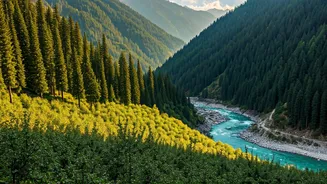
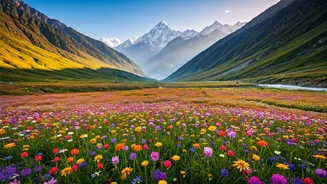
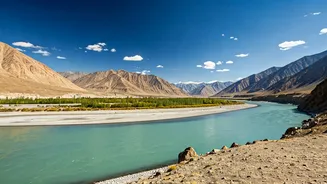
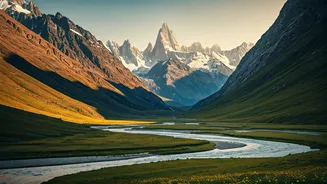
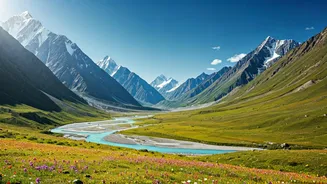
Just 15 miles before the crowded terminus of Gangotri, the landscape softens, and the energy shifts. This is Harsil. The roaring traffic seems to fade, replaced by the gentle murmur of the Bhagirathi River, its glacial blue waters flowing over smooth stones. Instead of a bustling bazaar, you find sprawling apple orchards and towering deodar cedar forests that perfume the crisp mountain air. Harsil, often called the “mini Switzerland of India,” is a valley of stunning, almost painterly beauty. At an elevation of around 8,500 feet, it offers a breathtaking panorama of snow-capped Himalayan peaks. It’s a place that doesn’t shout for your attention; it calmly waits for you to notice its profound tranquility.
The Legend of 'Raja' Wilson
Harsil's unique charm is deeply intertwined with a fascinating piece of local history. In the mid-19th century, a British army deserter named Frederick E. Wilson found refuge here. Instead of just hiding, he integrated himself into the community, married a local woman, and became a powerful figure. Known as “Pahari Wilson” or “Raja Wilson,” he transformed the region’s economy. He is credited with introducing commercial apple cultivation to the area, and today, Harsil’s delicious, crisp apples are famous throughout India. He also built a grand villa, the remnants of which can still be seen, and even minted his own coins. This eccentric, colonial-era story adds a layer of unexpected narrative depth to the valley’s natural splendor.
More Than Just a Stopover
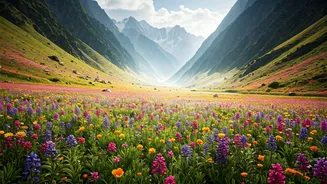
While many travelers see Harsil as a scenic pit stop, it deserves to be a destination in its own right. The village is a hub for gentle hikes and nature walks. You can wander through the apple orchards, explore the dense forests, or simply find a spot on the riverbank and watch the day go by. Harsil is also the gateway to several smaller, pristine villages. A short drive or hike away is Mukhba, the winter home of the idol of the goddess Ganga. When the Gangotri temple closes for the harsh winter, the deity is brought down to Mukhba in a ceremonial procession, making this tiny village a center of spiritual life for six months of the year. For the more adventurous, Harsil serves as a base camp for treks to stunning alpine lakes and high-altitude meadows, offering a less-trodden alternative to more famous routes.