





The Reign of the A/C Kingdom
To understand the new trend, you have to appreciate the old one. For the last two decades, sprawling, air-conditioned shopping malls have been the undisputed social centers of metropolitan India. In cities like Delhi, Mumbai, and Bangalore, where June
temperatures can be relentlessly punishing ahead of the monsoon, malls offered more than just shopping. They were clean, safe, and, most importantly, cool sanctuaries. They became the default destination for everything: first dates, family outings, friendly catch-ups, and a place to simply wander for hours to escape the heat and dust. The food court was the new town square, and a movie at the multiplex was the main event. This wasn't just about consumerism; it was about comfort and a taste of a globalized, climate-controlled lifestyle.
A Hunger for Something More
So, what changed? In short, the novelty wore off, and a new set of values emerged. A generation of young, urban Indians, globally connected but increasingly interested in local authenticity, began asking for more than what a department store could offer. They’re seeking skills, community, and stories to tell. This isn't a rejection of modernity but a redefinition of it. The post-pandemic world accelerated this shift, creating a pent-up demand for tangible, in-person connections and activities that feel more meaningful than another scroll through a smartphone in a coffee shop. People don’t just want to buy things; they want to *do* things. And a new ecosystem of small businesses and creators has risen to meet that demand.
From Food Courts to Food Trails
Nowhere is the shift clearer than in the world of food. While mall food courts still do brisk business, the more interesting action is happening on the streets and in specialized kitchens. Instead of grabbing a generic slice of pizza, groups are signing up for curated food walks through the historic lanes of Old Delhi or the bustling markets of Chennai, sampling decades-old recipes. Cooking classes have also exploded in popularity, but these aren't your basic baking lessons. They focus on hyper-regional cuisines, from learning the art of a Malabari biryani to mastering the subtle spice blends of Bengali cooking. It's a way to connect with heritage through taste, transforming a simple meal into an interactive cultural lesson.
The Rise of the Creative Workshop
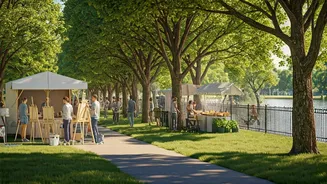
The weekend to-do list has expanded far beyond movies and shopping. It now includes things like pottery-making, salsa dancing, and macrame weaving. Creative workshops are booming. Art studios offer “sip and paint” sessions that are less about creating a masterpiece and more about laughing with friends. Board game cafes have become magnets for those seeking analog entertainment, offering hundreds of games that keep groups engaged for hours. These spaces provide a “third place”—a community hub that isn't home or work—where the goal is participation, not passive consumption. For the price of a movie ticket and popcorn, people can leave with a slightly misshapen pot they made themselves and a much stronger sense of connection.
Embracing the Great (Urban) Outdoors
Perhaps most surprising is the growing trend of strategically embracing the outdoors, even in the challenging June weather. Early morning heritage walks, led by historians and architects, explore the forgotten corners of the city before the sun gets too high. On the outskirts of cities like Mumbai and Pune, “monsoon treks” are a rite of passage. Groups hike into the nearby hills to witness the landscape turn a vibrant, luscious green with the first rains. It’s a calculated engagement with nature—planned for the coolest parts of the day or the dramatic onset of the monsoon—that represents a fundamental shift away from seeing the climate as something to be escaped at all costs.