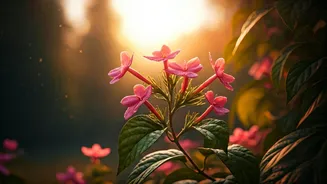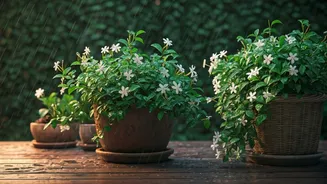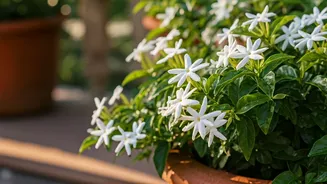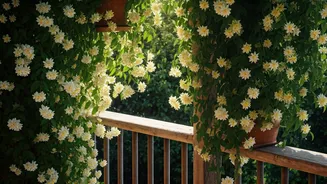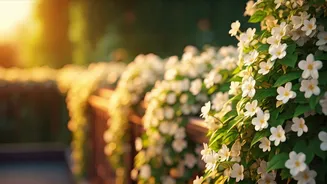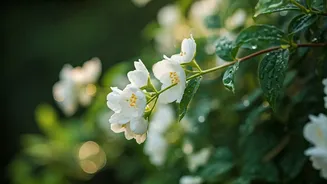



The Scent That Defines Summer
More than almost any other plant, jasmine is an experience. Its fragrance is legendary, a rich, sweet perfume that intensifies after dusk, turning a simple patio or porch into a romantic, resort-like retreat. While many flowers are prized for their visual
appeal, jasmine leads with its scent, creating an immersive atmosphere that can’t be replicated. Planting it near a window, walkway, or outdoor seating area ensures you’ll get the full effect every time a gentle breeze stirs. This sensory reward is the primary reason gardeners return to it year after year. It’s not just a plant; it's an upgrade to your entire outdoor living space, creating memories tied to its unmistakable aroma.
Why June Is the Golden Hour for Planting
While you can plant container-grown ornamentals at many points in the year, June is an ideal time for jasmine in most U.S. climate zones. The threat of late spring frost has passed, and the soil has warmed up, encouraging roots to establish themselves quickly. Planting now gives the vine a full summer of vigorous growth to climb, spread, and store up energy before its first winter. This head start is crucial for developing a robust, resilient plant that will reward you with prolific blooms the following year. By getting your jasmine in the ground in early summer, you’re setting it up for long-term success, allowing it to acclimate and thrive during the warmest, sunniest months of the year.
Choosing Your Perfect Match
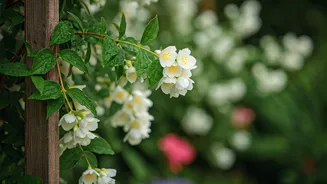
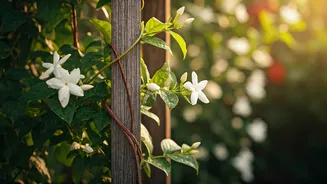
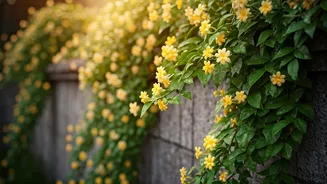
The word “jasmine” can be confusing, as it’s used for several different plants. Understanding the key players is essential. **Star Jasmine (*Trachelospermum jasminoides*)**: Technically not a true jasmine, this is the powerhouse you see covering walls and fences in warmer climates (Zones 8-10). It’s an evergreen vine with glossy dark leaves and a profusion of pinwheel-shaped, intensely fragrant flowers. It’s hardy, versatile, and can be grown in containers in cooler zones if brought indoors for winter. **Common White Jasmine (*Jasminum officinale*)**: This is a true jasmine and the source of the classic perfume. It's a deciduous vine (it loses its leaves in winter) that is slightly less tidy but incredibly fragrant. It’s a fast, vigorous grower suitable for Zones 7-10 and is perfect for covering an arbor or pergola where its sprawling habit is a benefit. **Winter Jasmine (*Jasminum nudiflorum*)**: A different beast entirely, this variety is prized for its unscented but cheerful yellow flowers that appear in late winter or very early spring. It’s more of a mounding shrub than a true climber and is exceptionally cold-hardy (Zones 6-9), making it a great choice for adding color when nothing else is blooming.
Your Planting Playbook
Getting your jasmine started is straightforward. First, choose a location that gets at least six hours of direct sunlight per day; more sun generally means more flowers. Jasmine is adaptable but prefers well-draining soil. If your soil is heavy clay, amend it with compost to improve its texture and drainage. When planting, dig a hole that’s twice as wide as the nursery pot but just as deep. Gently loosen the roots at the bottom of the plant before placing it in the hole. The top of the root ball should be level with the surrounding soil. Backfill the hole, pressing down gently to remove air pockets, and water thoroughly. Applying a layer of mulch around the base will help retain moisture and keep weeds at bay, but be sure to keep it a few inches away from the stem to prevent rot. For the first few weeks, water regularly to help the plant establish its new home.
Guiding Its Growth
Most fragrant jasmines are vines, and they need something to climb. Without support, they’ll become a sprawling, tangled groundcover. Providing a trellis, arbor, fence, or wire support system is essential. As the young stems grow, gently weave them through the support or use soft garden ties to secure them. This early training encourages the plant to grow upward and outward in the direction you want. A little guidance in its first year will create a beautiful, well-formed structure that will look stunning for years to come. Pruning is best done right after the plant finishes flowering to control its size and shape without sacrificing next year’s blooms.