

From Parched Earth to Emerald Carpet
For months, the laterite plateaus of the Konkan coast and the Western Ghats mountain range—known locally as the Sahyadris—endure a dry, hot season. The rocky, iron-rich soil lies exposed and dusty, seeming almost inhospitable to life. It’s a study in shades
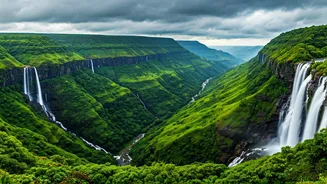
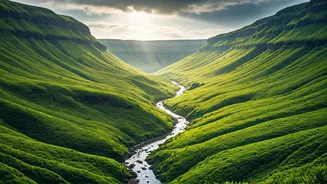
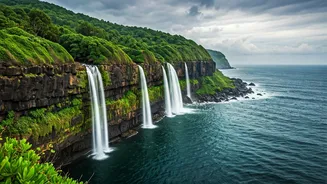
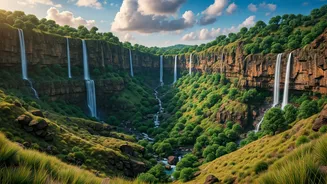
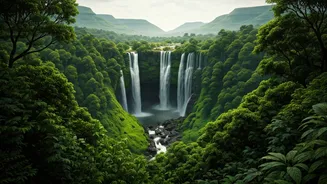
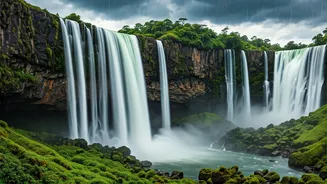
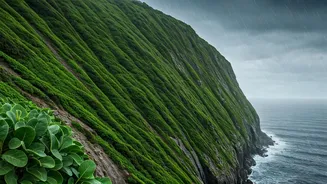
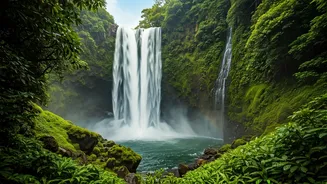
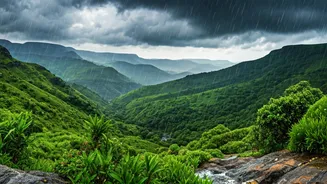
of brown, ochre, and gray, waiting under a hazy sky. But then, usually starting in June, the monsoon arrives. It doesn’t just bring rain; it brings a complete and total transformation. Within weeks, a vibrant, electric-green carpet seems to unroll itself across the landscape. The cliffs, hills, and plateaus are draped in a soft, verdant covering that looks and feels like velvet, completely changing the character of the region. This dramatic shift from barren to bountiful is one of nature’s most spectacular displays.
The Secret Life of the Velvet Green
What appears to be a simple blanket of grass is actually a complex, fast-moving ecosystem. The “velvet” is a dense combination of mosses, lichens, and a host of tiny, ephemeral plants. These species have evolved to thrive in this extreme cycle of drought and deluge. Their seeds and spores lie dormant in the dry soil, waiting for the first rains to trigger an explosive growth spurt. Many of these are 'ephemeral' flowers, which have a very short life cycle—they sprout, bloom, and set seed all within the few months of the monsoon before the dry heat returns. This botanical flurry creates a soft, textured surface that absorbs the heavy rainfall and shimmers with life. It’s a powerful lesson in resilience, a miniature forest that lives and dies in a single season.
An Annual Pilgrimage for the Senses
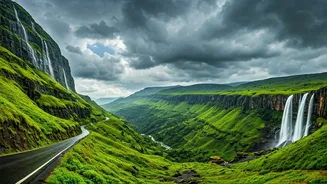
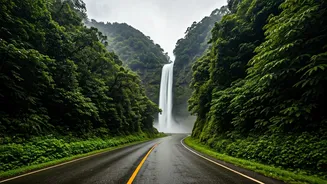
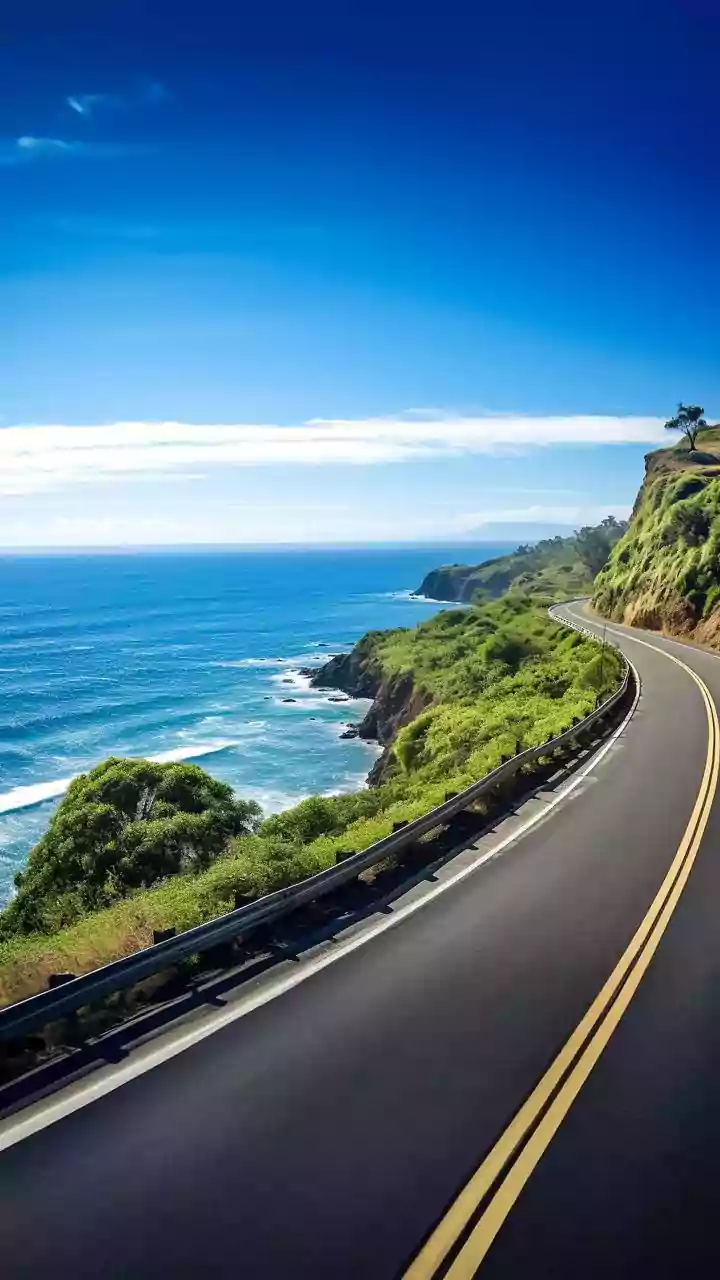
For the millions of people living in nearby megacities like Mumbai and Pune, the arrival of the green carpet is more than just a weather event—it’s an invitation. The phenomenon sparks an annual migration of city dwellers into the countryside. Weekends are filled with road trips along the winding roads of the Western Ghats, with travelers stopping to admire the views, feel the cool mist, and breathe in the earthy smell of wet soil. This isn't just about a pretty view; it's a sensory pilgrimage. It’s a chance to escape the concrete jungle and witness a powerful, life-affirming natural cycle. Roadside stalls pop up, selling roasted corn on the cob and hot tea, turning a simple drive into a cherished cultural ritual that celebrates the relief and beauty the monsoon brings.
Why This Green Phenomenon Matters
While the visual spectacle is breathtaking, its ecological importance is even more profound. The Western Ghats are a UNESCO World Heritage Site and one of the world's most critical biodiversity hotspots. The monsoon and the unique vegetation it supports are the lifeblood of this entire ecosystem. The dense green cover prevents soil erosion on the steep slopes, helps the porous laterite rock absorb massive amounts of water, and replenishes the underground aquifers that supply drinking water and irrigate farms for the rest of the year. The ephemeral plants provide food and habitat for a vast array of insects, which in turn support birds and other animals. This velvet green blanket is, in essence, the engine that drives the region's environmental health, making its annual appearance a vital sign of a functioning, healthy planet.