




Upgrade Your Grip Game: Tires and Brakes
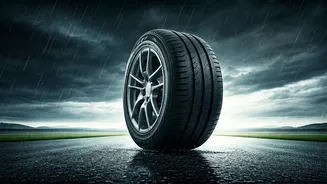
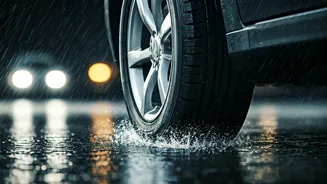
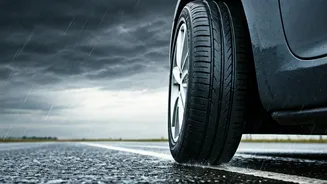
During an Indian monsoon, roads can transform from dusty tracks to slick, unpredictable rivers in minutes. For drivers there, tire health isn't a suggestion—it's a lifeline. They prioritize tires with deep, water-channeling treads to combat hydroplaning
and ensure their brake pads and rotors are in perfect condition for sudden, slippery stops. **The U.S. Takeaway:** We often neglect tires until they're visibly bald. Before your local rainy season hits—whether it's Florida's hurricane season or a notoriously wet Pacific Northwest winter—do a tread check. The classic 'penny test' works: place a penny head-down in a tread groove. If you can see all of Lincoln's head, your treads are too shallow for safe wet-weather driving. Similarly, if your brakes feel even slightly soft or squeal, get them checked. A few millimeters of tread or a fresh set of brake pads can be the difference between a controlled stop and a dangerous skid.
Conquer the Deluge: Wipers and Visibility
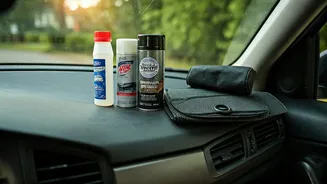
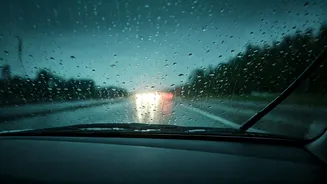
It’s hard to overstate the sheer volume of water that falls during a peak monsoon downpour. It's not a drizzle; it's a wall of water. In this environment, windshield wipers aren't just for cleaning—they're the single most critical piece of safety equipment. Indian drivers ensure their wiper blades are fresh and the washer fluid reservoir is topped up, often with a cleaning additive to cut through road grime thrown up by other vehicles. Many also apply a hydrophobic coating to the windshield to help water bead up and roll off more easily. **The U.S. Takeaway:** Don't be the person squinting through a streaky, blurry windshield in a storm. Wiper blades are inexpensive and easy to replace. If they leave streaks or make chattering noises, they're already failing. Replace them every 6-12 months, regardless of how often you use them. Sun exposure degrades the rubber even when they're idle. Topping off your washer fluid is a five-minute task that pays huge dividends when a truck splashes muddy water across your entire field of vision.
Fight the Unseen Enemy: Rust and Humidity
The monsoon brings two of rust's best friends: constant moisture and high humidity. Water pools in the undercarriage, and dampness seeps into every crevice of the car's interior, leading to mold, mildew, and electrical gremlins. To combat this, Indian car owners are meticulous about underbody anti-rust coatings and ensuring their cars are parked in well-ventilated areas whenever possible. A thorough cleaning and drying after driving through waterlogged areas is standard procedure. **The U.S. Takeaway:** This is a crucial lesson for anyone living in the Rust Belt, coastal areas with salty air, or anywhere with high humidity. An annual undercoating can significantly extend the life of your vehicle's frame. After driving through salty winter slush or near a beach, a quick rinse of the undercarriage at a car wash is a smart move. On the inside, use a dehumidifier or moisture-absorbing packs if your car interior feels damp, and check for leaks around door seals and windows.
Respect the Water: Electricals and Flooded Roads
Modern cars are rolling computers, and water is their kryptonite. Indian drivers are acutely aware of the risk of shorting out a car’s Engine Control Unit (ECU) or other sensitive electronics. The golden rule is simple: never drive through standing water if you don't know its depth. A seemingly shallow puddle can easily be deep enough to flood an engine's air intake, leading to catastrophic and expensive hydrostatic lock. The mantra is “turn around, don’t drown,” a lesson learned the hard way on Mumbai’s flooded streets. **The U.S. Takeaway:** This advice is universal. It takes only six inches of water to reach the bottom of most passenger cars, causing loss of control and possible stalling. A foot of water will float many vehicles. Two feet of rushing water can sweep away most vehicles, including SUVs and pickups. If you see a flooded road ahead, your car's sophisticated systems mean nothing. The smartest, and only, move is to find an alternate route.
Prepare for the Worst: The Emergency Kit
Getting stranded during a monsoon is a real possibility, with flash floods and traffic gridlock being common. Many experienced drivers in India keep a dedicated “monsoon kit” in their car. This often includes a tow rope, a high-visibility jacket, a powerful flashlight, a basic toolkit, a first-aid kit, and importantly, extra food and water. It's a mentality of self-reliance born from knowing that help might not be immediately available. **The U.S. Takeaway:** Every American driver should have an emergency kit, tailored to their climate. For wet weather, this means adding items like a rain poncho, a waterproof flashlight, and extra towels. The core principle is the same: assume that one day you will be stuck, and pack what you would need to stay safe, dry, and comfortable for a few hours. It’s a small investment in peace of mind.