






1. Master Your Layering Game
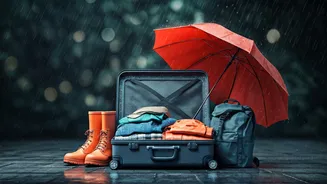
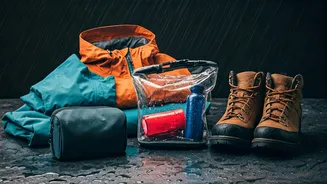
Forget the bulky rain poncho that turns you into a walking sweat lodge. The key to rainy-day comfort is smart layering with the right materials. Start with a base layer made of merino wool or a synthetic fabric that wicks moisture away from your skin.
Cotton is your enemy here; it absorbs water, gets heavy, and makes you cold. Over that, add a lightweight fleece or mid-layer for warmth. The final piece is a high-quality, breathable, waterproof shell jacket. This combination keeps you dry from the outside and the inside, and you can easily shed layers if the sun makes a surprise appearance.
2. Prioritize Your Footwear
If your feet are wet and miserable, the rest of you will be, too. This is the single most important gear choice for a rainy destination. Invest in a pair of comfortable, truly waterproof shoes or boots. Look for brands that use Gore-Tex or a similar proprietary waterproof membrane. Before you leave, wear them around for a few days to make sure they're broken in. Also, pack extra pairs of wool socks. Unlike cotton, wool socks will still insulate and keep your feet relatively warm even when they get damp.
3. Curate a 'Plan B' Itinerary
Before you even pack your bags, do some research on indoor activities. Every destination has them. Is there a quirky local museum you’d otherwise skip? A historic library? An indoor food market where you can spend hours sampling local delicacies? Maybe it’s a vintage movie theater, a bowling alley, or a cozy cafe known for its incredible hot chocolate. Having a pre-vetted list of three to four appealing indoor options means a downpour feels like an opportunity to try something different, not a crisis that sends you scrambling for ideas.
4. Embrace the “Cozy” Mindset
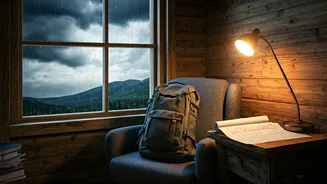
Sometimes, the best way to deal with rain is to lean into it. In many cultures, a rainy day is an excuse to slow down. Use it as a guilt-free opportunity to enjoy the slower side of travel. Find a traditional pub with a fireplace, grab a corner table at a local coffee shop with a good book, or enjoy a long, unhurried lunch. Instead of fighting the weather to check another landmark off your list, you might discover a deeper, more authentic side of your destination—and give your tired feet a well-deserved rest.
5. See the World Through a Different Lens
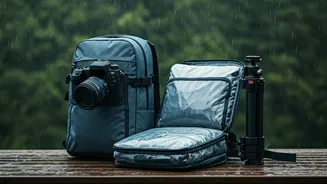
For photographers, rain can be a gift. Overcast skies provide soft, even lighting that's perfect for portraits, eliminating harsh shadows. Puddles create stunning reflections of city lights and architecture. Rain-slicked streets take on a dramatic, cinematic quality, especially at night. Colors become more saturated and vibrant. So instead of putting your camera away, protect it with a simple rain sleeve or even a plastic bag and search for those unique shots that sunny-day tourists will never capture.
6. Protect Your Electronics
Water is the mortal enemy of your smartphone, camera, and portable charger. Don’t rely on a pocket to keep them safe. Invest in a small, lightweight dry bag—the kind kayakers and hikers use. They are inexpensive and provide foolproof protection. You can toss your phone, wallet, and passport inside, roll the top down, and have total peace of mind. For a low-budget alternative, a few heavy-duty Ziploc bags will do the trick in a pinch. It’s a simple step that can save you from a very expensive headache.
7. Re-Think Your Transportation
Rain changes everything about getting around a city. That casual 15-minute walk to the metro station becomes an unpleasant trek. Ride-sharing services will see a surge in demand and price. Public buses might be more crowded than usual. Look at your map and plan your routes with the rain in mind. It might be worth spending a little extra on a taxi or using a subway line that gets you closer to your destination's door. A day-pass for public transit can be a lifesaver, allowing you to hop on and off buses or trams for even short distances to stay dry.