


The Lost Art of the Detour
In an era of hyper-optimized travel—of flight tracking apps, pre-booked tours, and minute-by-minute itineraries—the soul of adventure can feel like a casualty. We arrive at our destination efficiently, but we often miss the world in between. The mountain
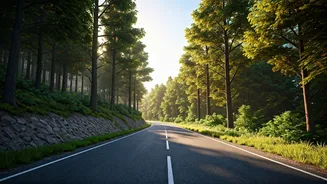
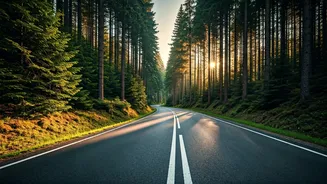
road trip offers a powerful antidote. It’s a form of travel that champions the unplanned detour, the intriguing side road, and the sudden urge to pull over simply because the view demands it. True adventure isn't about following a script; it’s about having the freedom to rip it up. When you trade the airport terminal for a full tank of gas and a loose sense of direction, you are giving yourself permission to discover, not just to arrive. The goal is no longer simply Point B, but the collection of unexpected moments gathered along the way.
Finding America Between the Mile Markers
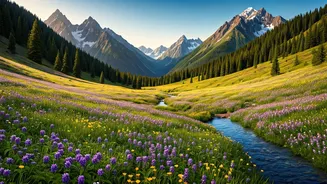
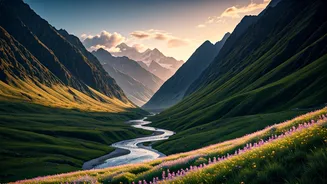
The magic of a mountain drive unfolds slowly. It’s in the faded murals on brick buildings in towns too small for a highway bypass. It’s in the taste of a perfect slice of pie at a roadside diner where the waitress calls you “hon.” It’s in the shared silence with a stranger at a scenic overlook, both of you humbled by the same sprawling vista. These are the experiences that rarely make it into a travel brochure. Fly-over country, it turns out, is infinitely more interesting when you drive through it. From the rolling, misty peaks of the Blue Ridge Parkway in North Carolina and Virginia to the dramatic, jagged skylines along Colorado’s Million Dollar Highway, the road itself becomes the main attraction. The destination—a national park, a ski town, a remote cabin—is merely the final punctuation mark on a story written one mile at a time.
The New Essentials for Modern Explorers
Packing for a road trip focused on adventure requires a different checklist. Beyond the requisite snacks and luggage, the most important items are intangible. First, pack a flexible mindset. Your carefully planned route may be closed for roadwork, but the resulting detour could lead you to the best barbecue you’ve ever had. Second, bring a sense of curiosity. Instead of relying solely on GPS, which will always offer the fastest route, consider bringing a paper map. A physical map reveals the landscape in a different way, showing forgotten backroads, state forests, and intriguing place names that a digital algorithm might ignore. Finally, pack for serendipity. Leave empty space in your schedule. That buffer time is where the real memories are made—the extra hour spent skipping stones at an alpine lake, the impromptu conversation with a local artist, or the decision to stay and watch the sunset from a ridge you just discovered.
Embracing the Climb
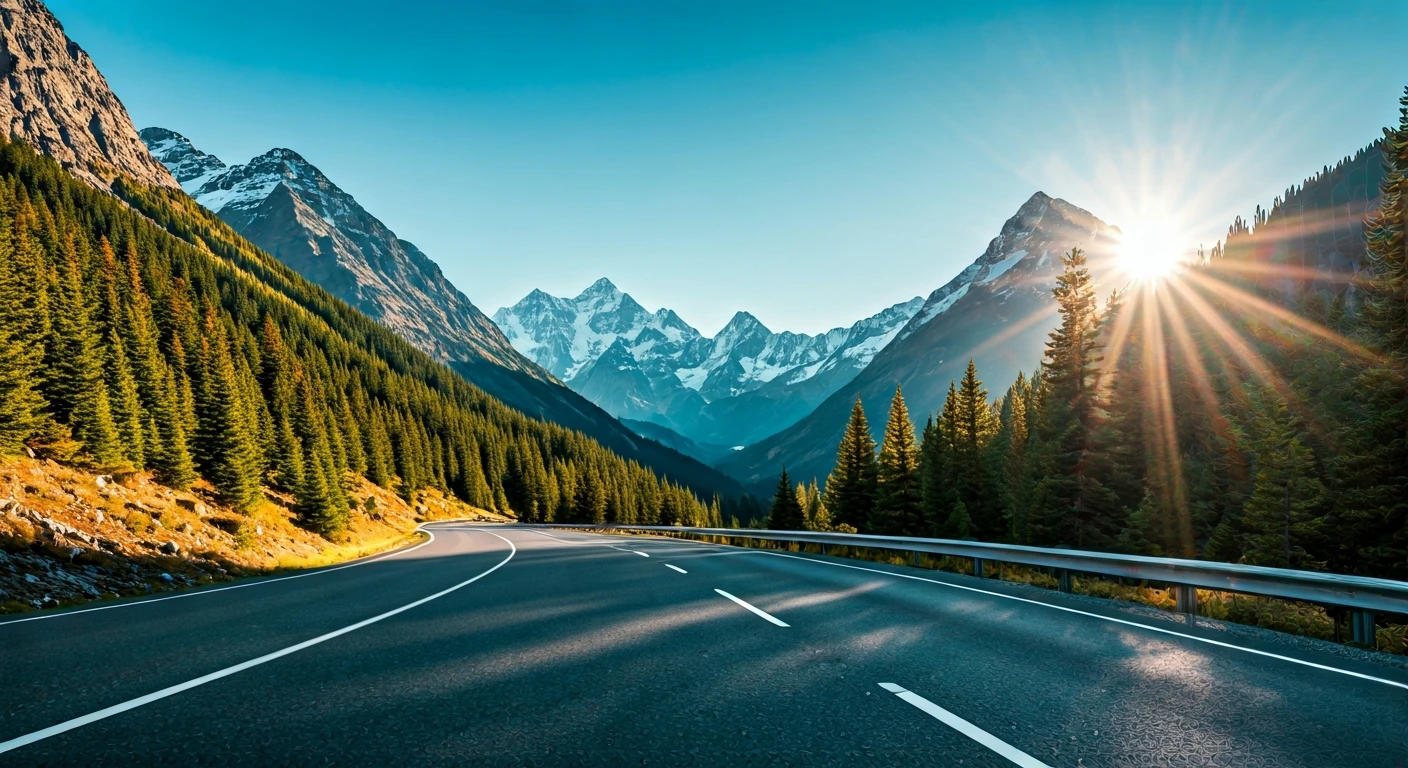
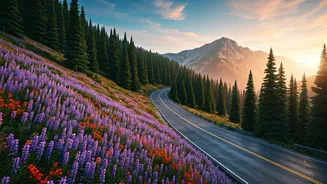
Whether you’re tracing the stunning Beartooth Highway into Yellowstone or winding through the Cascade Loop in Washington, the physical act of ascending a mountain road is a metaphor for the entire experience. The engine works a little harder. The turns become sharper. You are forced to slow down, to pay closer attention to the world immediately around you. Cellular service often disappears, severing the digital tethers that bind us to the everyday. In its place, a more profound connection emerges—to the landscape, to your fellow passengers, and to yourself. The panoramic view from the summit is the reward, but the true prize is the feeling of having earned it, of having engaged with every twist and turn of the climb.