






The Fabric Philosophy: Why Cotton Fails
Before we talk about what to wear, let's talk about what not to wear: cotton. Your favorite soft t-shirt becomes a liability in a downpour. Cotton is a hydrophilic fiber, meaning it loves and holds onto water. A wet cotton shirt can hold up to 27 times
its weight in water, takes forever to dry, and loses all its insulating properties, leaving you feeling colder and clammy. In a relentlessly humid environment, it might not dry for days, inviting mildew. The key to monsoon comfort is switching to hydrophobic (water-repelling) or moisture-wicking fabrics. Synthetics like polyester and nylon, and natural wonders like merino wool, don't absorb moisture; they move it away from your skin to the fabric's surface, where it can evaporate quickly.
The Core Upgrade: Performance Underwear
If you're going to make only one change, start here. It sounds trivial, but it's the foundation of your comfort. Damp underwear is more than just unpleasant; it's a recipe for chafing, skin irritation, and general misery. Cotton boxers or briefs will stay wet all day, creating a terrible microclimate right where you want it least. Invest in a few pairs of underwear made from merino wool or a polyester/spandex blend. They wick moisture away from your most sensitive areas, dry incredibly fast (you can often wash them in a sink and have them dry by morning), and provide a surprising boost in overall comfort that radiates through the rest of your outfit.
The Everyday Workhorse: Quick-Dry Tops
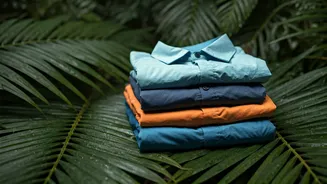
This is where you'll see the biggest day-to-day benefit. Swapping your cotton tees for performance tops changes the game. For active use or intense humidity, a lightweight polyester t-shirt is unbeatable for its fast-drying capabilities. For a more versatile, odor-resistant option that works in the office or on the trail, merino wool is king. It regulates temperature, feels comfortable against the skin, and has natural antimicrobial properties that prevent it from smelling even after a few wears. Modern merino wool is nothing like the scratchy sweaters of your youth; it's soft, light, and a true performance MVP during a wet spell.
For Your Lower Half: Technical Pants and Shorts
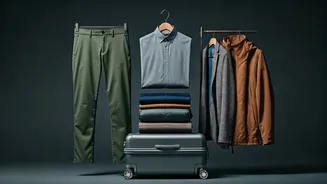
Jeans are the absolute worst choice for a rainy season. They are heavy, made of cotton, and can take days to dry once soaked, all while feeling like a cold, soggy cage for your legs. Instead, look for pants or shorts made from nylon or polyester blends, often found in the hiking or travel section of clothing stores. These “technical” pants are lightweight, durable, and often have a bit of stretch for comfort. They shed light rain and, if they do get soaked in a serious downpour, will dry in a fraction of the time as denim or cotton chinos. Their versatility makes them perfect for navigating a city puddle-by-puddle or sitting comfortably in a damp cafe.
Don't Forget Your Feet: The Right Socks
Happy feet are the key to a happy rainy day. Like with underwear, cotton socks are a blister-inducing nightmare in wet conditions. Once they get wet, they stay wet, creating friction and a perfect breeding ground for fungus. A good pair of merino wool or synthetic blend socks will be your best friend. They cushion your feet, manage moisture to keep your skin drier, and maintain their shape and comfort even when damp. If you’ve ever had to peel off a soggy, stretched-out cotton sock at the end of a long day, you’ll understand what a profound and simple luxury a good performance sock is. It's a small detail that prevents a world of discomfort.
The Final Piece: A Breathable Outer Shell
Finally, the piece that ties it all together is not just a waterproof jacket, but a *breathable* one. A cheap plastic poncho will keep the rain out, but it will also trap all your body heat and sweat, leaving you just as wet from the inside. Look for a lightweight rain shell with a membrane like Gore-Tex or a proprietary equivalent. These materials have microscopic pores that are large enough to let water vapor (your sweat) escape, but small enough to block liquid water droplets (the rain) from getting in. This allows your performance base layers to do their job, wicking moisture outward and keeping you genuinely dry and comfortable, not just protected.