


More Than Just Buttermilk
When we talk about “buttermilk-style” drinks, we're not just talking about the liquid left over from churning butter. That classic, thin, tangy liquid is just one member of a much larger global family. The drinks currently trending are its thicker, more
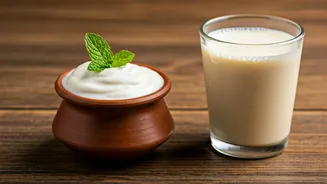
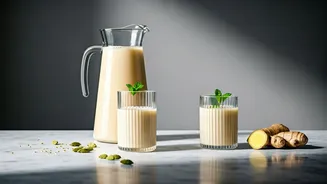
potent cousins: kefir, lassi, and ayran. Kefir, with its origins in the Caucasus Mountains, is a fermented milk drink made with “grains” of yeast and bacteria, giving it a slightly effervescent, yogurt-like quality. Lassi, a staple in India, is a blended yogurt drink that can be savory (with salt and spices) or sweet (with fruit and sugar). Ayran, popular in Turkey and the Middle East, is a simpler, saltier yogurt-and-water mixture prized for its refreshing qualities. What unites them is a tart flavor profile and a key modern selling point: fermentation.
The Gut Health Renaissance
So, why the sudden resurgence? The answer can be summed up in two words: gut health. In the last decade, our collective wellness obsession has shifted from counting calories to cultivating a healthy microbiome. The gut, often called the “second brain,” is home to trillions of bacteria, and the idea is that nurturing the “good” ones can lead to better digestion, a stronger immune system, and even improved mood. Fermented foods are the most natural source of probiotics—live beneficial bacteria. While you can pop a probiotic pill, wellness gurus and nutritionists increasingly advocate for getting them from whole food sources. Drinks like kefir are teeming with a diverse range of these helpful microbes, making them an attractive, all-natural alternative to supplements. They offer a functional benefit that goes beyond simple hydration or nutrition, turning a simple beverage into a proactive health choice.
An Ancient Tradition, A Modern Makeover
There's a delicious irony in this trend. For centuries, these drinks were humble, everyday staples, born of the practical need to preserve milk in pre-refrigeration eras. Kefir was a food of pastoralists; lassi was a way to cool down during a scorching Indian summer. They were rustic, regional, and decidedly un-glamorous. Today, they’re being repackaged for a new audience. Walk into any high-end grocery store and you’ll find them in sleek, beautifully designed bottles with minimalist fonts. Brands are positioning them as premium wellness products, often with a higher price tag to match. This transformation highlights a broader pattern in American wellness culture: the appropriation and repackaging of ancient, traditional practices as new, cutting-edge discoveries.
From Farmhouse to Feed
The aesthetic appeal can't be overstated. This trend is thriving because it looks good online. The thick, creamy texture of a well-made kefir or lassi is inherently photogenic. Influencers post videos of themselves pouring the pearly white liquid over granola or blending it into smoothies. The visual is one of purity, health, and a certain kind of earthy sophistication. It taps into the “clean eating” aesthetic, where food is not just nourishment but a symbol of a curated, healthy lifestyle. The branding often plays into this, using terms like “artisanal,” “small-batch,” and “live-cultured” to signal authenticity and quality, even when the product is mass-produced. The drink itself becomes an accessory, a signal that you are invested in your well-being in a way that is both traditional and trendy.
So, Is It Worth the Hype?
Putting the marketing aside, these drinks do have tangible benefits. They are excellent sources of protein, calcium, and B vitamins. For those who are lactose intolerant, kefir can sometimes be easier to digest than regular milk because the fermentation process breaks down much of the lactose. And yes, they are a legitimate source of probiotics. However, they aren't a magic cure-all. The specific benefits of probiotics can vary wildly depending on the strains present and the individual consuming them. And for many Americans, the sour, tangy flavor can be an acquired taste. But if you’re looking for a nutrient-dense food to add to your diet that genuinely supports gut health, a plain, unsweetened kefir or a savory lassi is a solid choice. Just be mindful of added sugars in flavored varieties, which can quickly negate the health benefits.