





The Numbers Don't Lie
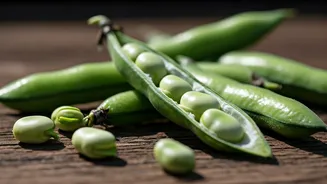
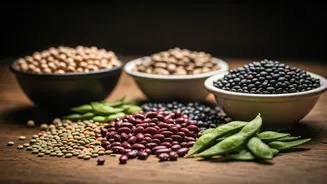
Let’s start with the central misconception: that it’s difficult to get enough protein without meat. The reality is that protein is abundant in the plant kingdom. A single cup of cooked lentils packs about 18 grams of protein—more than you'd get in three
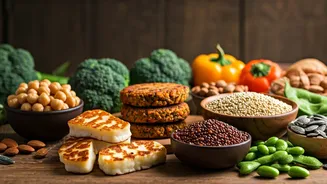
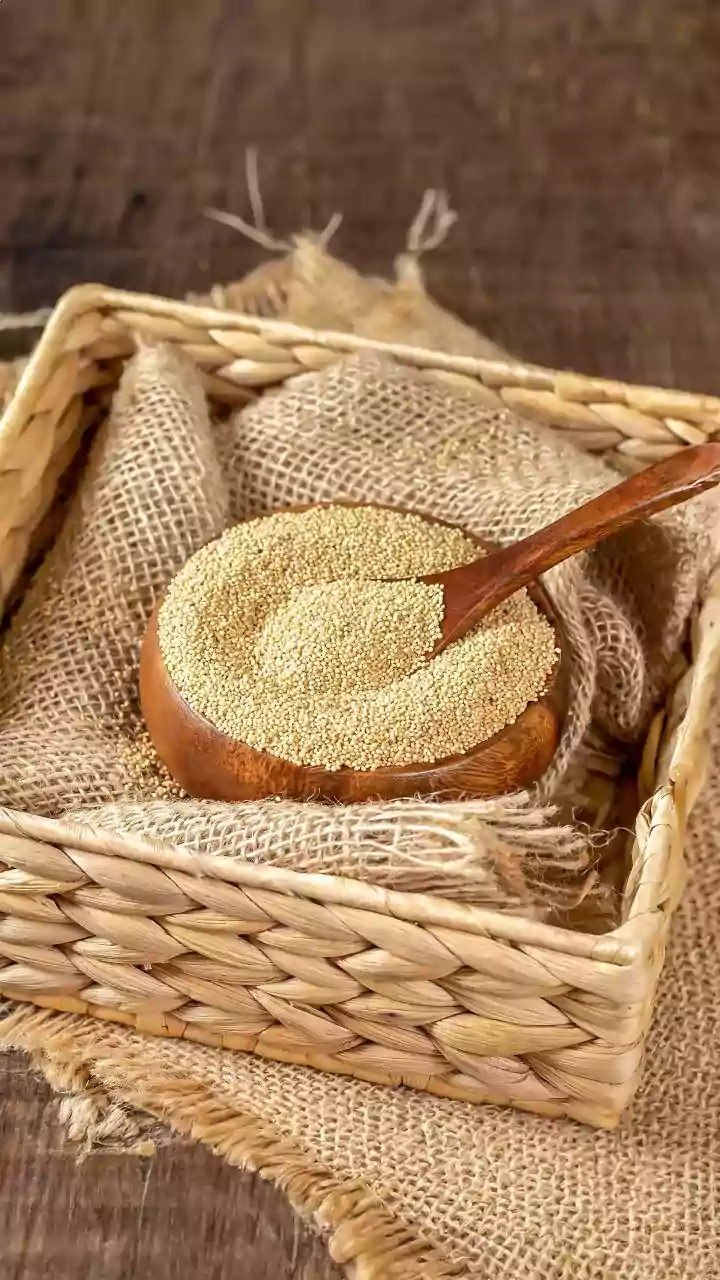
ounces of beef. A block of firm tofu, a staple in many vegetarian kitchens, can easily deliver over 40 grams. Even seemingly humble foods like chickpeas, black beans, and quinoa are protein powerhouses. A cup of Greek yogurt for breakfast? That’s over 20 grams right there. When you start adding it up, most vegetarians who eat a varied, whole-foods diet aren’t just scraping by; they are often easily meeting or exceeding the recommended daily intake (around 46 grams for women and 56 for men, more for active individuals) without even trying. The idea of a protein-deficient vegetarian is largely a relic of a time when plant-based diets were poorly understood and consisted of little more than iceberg lettuce and a side of fries.
But What About 'Complete' Protein?
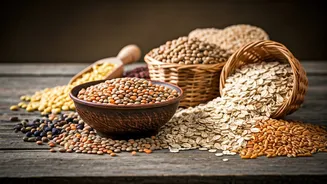
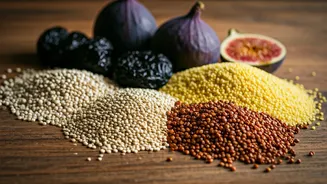
This is the next hurdle people usually bring up. The argument is that most plant proteins are “incomplete,” meaning they lack one or more of the nine essential amino acids our bodies can’t produce on their own. Animal proteins, in contrast, are all “complete.” While technically true, this is a distinction without a meaningful difference for 99% of people. The idea that vegetarians must painstakingly combine specific foods at every single meal (like rice and beans) to form a “complete” protein has been debunked for decades by major dietetic associations. Your body is smart. It maintains a pool of free amino acids, so as long as you eat a variety of plant-based protein sources—legumes, nuts, seeds, whole grains—over the course of a day, your body will have no problem piecing together everything it needs. The “incomplete protein” argument is a perfect example of how a small nutritional detail can be blown up into a major, misleading dietary crisis.
It's Not Just the Protein, It's the Package
This is where vegetarians don't just compete—they start to pull ahead. When you get your protein from plants, it comes with a host of other nutritional superstars. Lentils, for instance, don’t just give you protein; they deliver a massive dose of fiber, which is critical for gut health and keeps you feeling full. They’re also rich in folate, iron, and potassium while containing virtually no saturated fat. Now, compare that to a marbled ribeye. Yes, it has plenty of protein, but it also comes with a significant amount of saturated fat and cholesterol, and zero dietary fiber. When we hyper-focus on a single macronutrient like protein, we lose sight of the bigger picture. Winning the protein game isn’t just about hitting a target number. It's about how you get there. Plant-based protein sources generally offer a more nutrient-dense, health-promoting package deal.
A Day of High-Protein Eating (Without Meat)
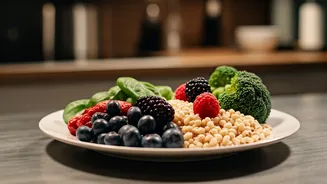
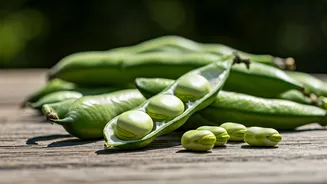
What does this look like in practice? It’s not complicated or exotic. A breakfast of Greek yogurt with berries and a sprinkle of chia seeds (around 25 grams of protein). For lunch, a big salad with a cup of chickpeas, sunflower seeds, and a scoop of quinoa (another 20-25 grams). A post-workout snack of a handful of almonds and an apple. For dinner, a stir-fry with firm tofu and a side of edamame (an easy 30+ grams). By the end of the day, you’ve soared past 80 grams of protein without touching a piece of chicken or steak. This isn’t a specialized, bodybuilder-level effort. It's just a normal day of varied, delicious vegetarian eating. The protein isn’t an afterthought; it’s an integrated, effortless part of the diet.