






More Than Muscle: The Power of Weights
For decades, the weight room was often stereotyped as a place for bodybuilders and elite athletes. But the prevailing winds have shifted, and strength training is now being recognized as the foundation of modern fitness for everyone. Why the change? We've
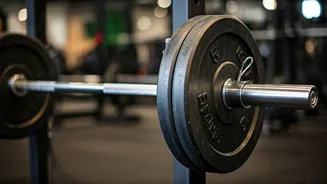
finally moved beyond seeing weights as a tool for just building bigger biceps. The science is overwhelmingly clear: lifting heavy things is one of the most effective things you can do for long-term health. Lifting weights—whether it’s dumbbells, barbells, kettlebells, or even your own bodyweight—does more than build muscle. It builds denser bones, fighting off osteoporosis. It boosts your metabolism by increasing your lean muscle mass, meaning you burn more calories even at rest. It dramatically improves insulin sensitivity, a key factor in preventing type 2 diabetes. The benefits are not just physical; studies consistently show resistance training is a powerful tool for reducing symptoms of anxiety and depression. This isn't about becoming a powerlifter (unless you want to!). It's about applying resistance to your muscles to become a more robust, resilient, and capable human being, ready to handle everything from carrying groceries to chasing your kids without a second thought.
The Art of the Comeback: Why Recovery Wins
The old-school 'no days off' mentality is officially dead, and for good reason. We now understand that you don’t get stronger in the gym; you get stronger when you recover from the work you did in the gym. For too long, recovery was seen as a passive activity—simply the time between workouts. The new paradigm frames recovery as an active, non-negotiable part of any fitness plan.
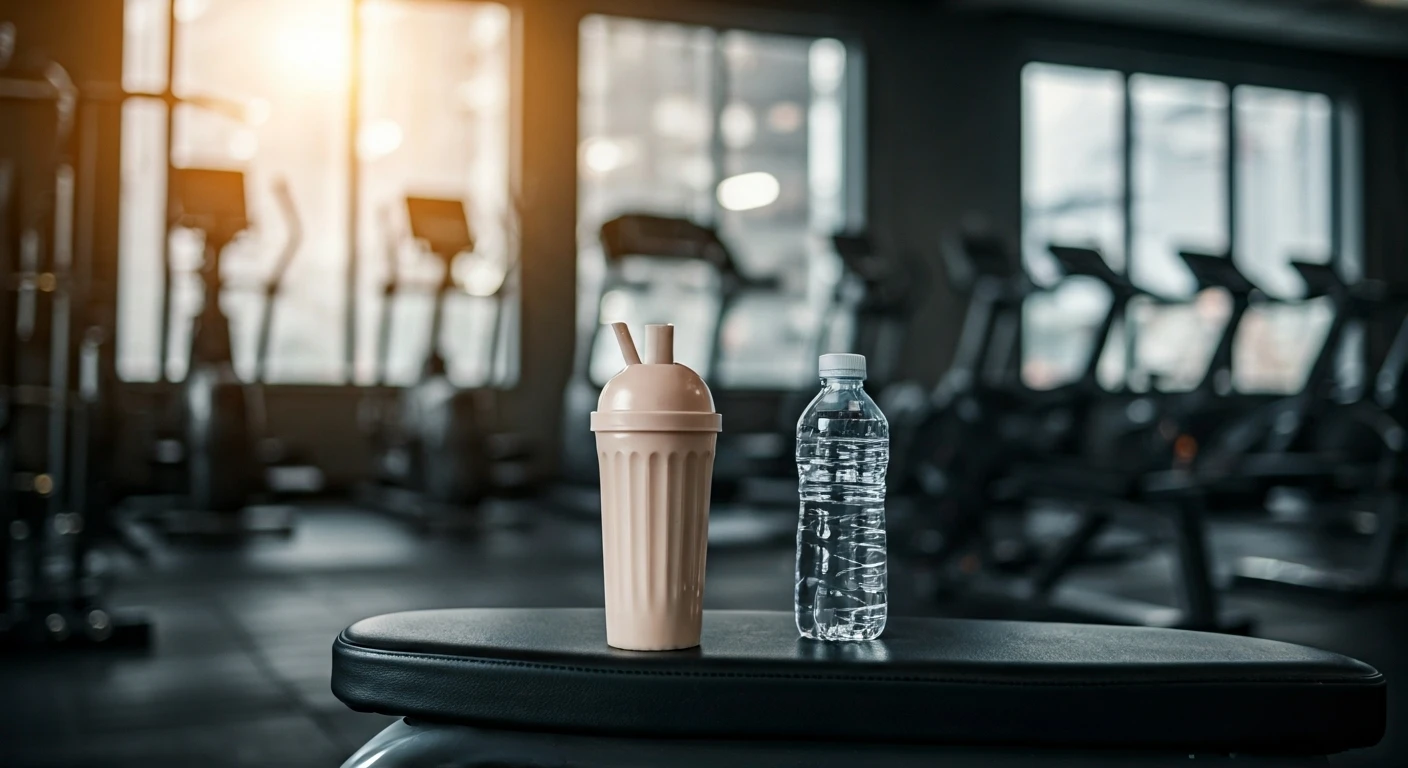
This goes far beyond a post-workout protein shake. The biggest and most important component is sleep. Getting 7-9 hours of quality sleep is when your body does the heavy lifting of repairing muscle tissue and consolidating hormonal processes. But the focus on recovery also includes proper hydration, fueling your body with nutrient-dense food, and incorporating active recovery techniques. This can be anything from light stretching and foam rolling to sauna use or simply taking a long walk on a 'rest' day. While there's a booming market of recovery gadgets like massage guns and compression boots, the most impactful recovery tools remain the ones that are free: sleep, water, and intentional rest. The smartest people in fitness are realizing that pushing the accelerator 100% of the time just leads to burnout and injury. True progress comes from balancing stress with deliberate, intelligent rest.
The Unsexy Secret: Embracing Consistency
This is the pillar that holds everything else up, and it's the one most often ignored in favor of 'quick fixes' or extreme challenges. Consistency is the unsexy, unmarketable secret to success in anything, but especially fitness. The fitness industry has long profited from the 'all-or-nothing' mindset, selling 30-day shreds and intense bootcamps that leave people exhausted and right back where they started a month later.
The future of fitness is about rejecting that cycle. It’s about understanding that a 'good enough' workout done three times a week, every week, is infinitely better than one 'perfect' but soul-crushing workout you only manage to do once a month. Consistency is about building a habit, not chasing a feeling. It means showing up when you're not motivated. It means forgiving yourself for a missed day and getting right back on track, rather than letting one slip-up derail your entire month. This approach requires a mental shift: you are not 'on a diet' or 'on a workout plan.' You are simply a person who regularly moves their body and eats well. This long-game perspective transforms fitness from a short-term project into a sustainable part of your identity.