

The Glorious, Heavy Heart of Chaat
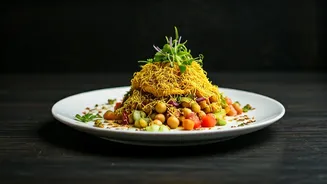
For the uninitiated, chaat is less a specific dish and more an entire universe of savory snacks. It’s a genre built on joyful contrasts. Think bhel puri, a tumble of puffed rice, raw mango, and nylon-thin fried noodles, all tossed in tamarind and cilantro
chutneys. Or pani puri, where hollow, crispy spheres are filled with spiced potatoes and a shot of tangy, herbed water. At the heart of most chaat is a foundation of carbs and fat: deep-fried dough (puris, papdis, samosas), boiled potatoes, and rich, creamy yogurt. These ingredients are flavor-delivery systems, designed for maximum satisfaction in a few quick bites. But that satisfying richness comes with a caloric density that often leads to the infamous “food coma,” a post-meal slump that can make this beloved snack feel more like a once-in-a-while indulgence than an everyday treat.
The Wellness Revolution Hits the Street Cart
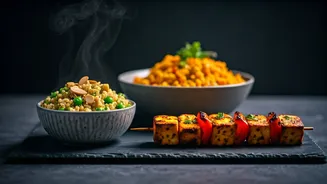
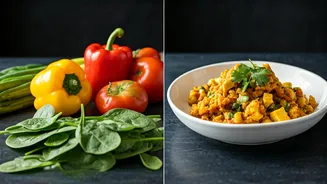
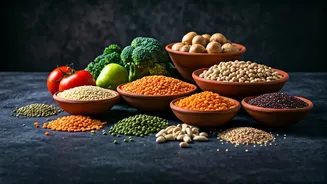
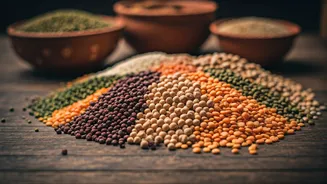
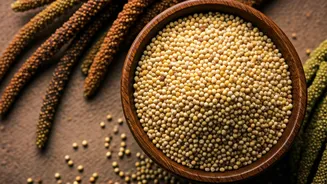
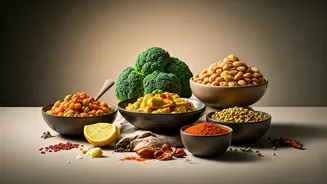
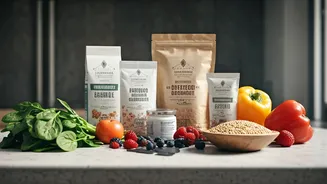
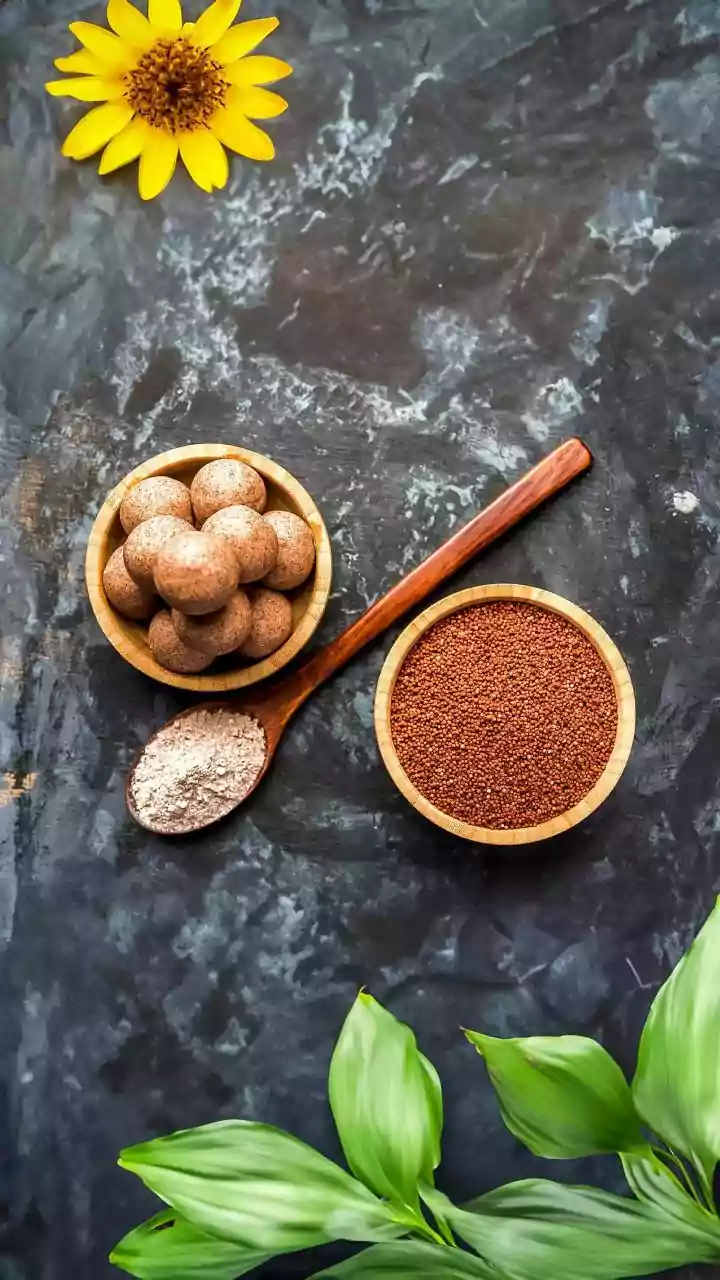
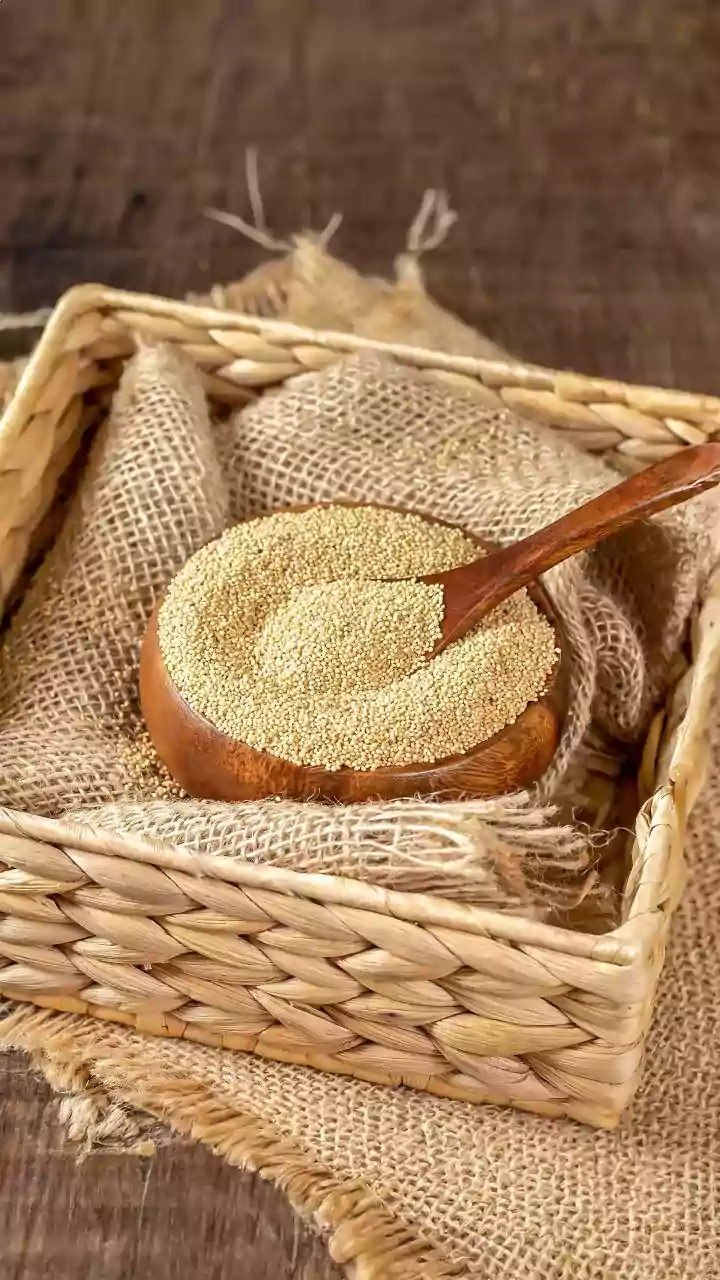
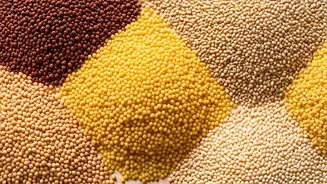
Across the U.S., a new generation of chefs, home cooks, and food entrepreneurs is asking a simple question: What if chaat could be both delicious *and* energizing? The answer lies in a clever reinvention of ingredients and techniques, applying modern wellness principles to a deeply traditional food. The deep-fried papdi (crispy cracker) is now being air-fried or baked. Potatoes are being swapped for roasted sweet potatoes, chickpeas, or even protein-rich quinoa and millet. That sweet, sugar-laden tamarind chutney is finding its counterpart in versions sweetened with dates or monk fruit. And the full-fat yogurt (dahi) is often replaced with lighter, protein-packed Greek yogurt. These aren’t sacrifices; they’re strategic swaps that preserve the essential chaat experience—the interplay of textures and the riot of flavor—while shedding the elements that weigh you down.
More Than a Health Hack
This movement is about more than just calorie counting. For many Indian Americans, it represents a way to integrate their cultural heritage with a contemporary lifestyle. It’s a culinary expression of a dual identity, honoring the flavors of their parents’ and grandparents’ kitchens while embracing the wellness-focused culture they grew up in. Restaurants and pop-ups are getting creative, serving avocado bhel or kale pakora chaat, using familiar formats to introduce new, nutrient-dense ingredients. This evolution makes the cuisine more accessible, not only to health-conscious diners but also to those with dietary restrictions. Gluten-free chaat made with lentil-flour crackers or dairy-free versions with cashew-based yogurt are no longer niche requests but star players on modern Indian menus. It’s about making a cherished food tradition more inclusive and resilient.
Flavor First, Always
Crucially, the pioneers of this lighter chaat insist that flavor, not dogma, is the guiding principle. The goal isn’t to create a pale imitation of the original but to engineer a new classic that stands on its own. An air-fried samosa, for instance, might lack the exact oily crispiness of the deep-fried version, but it offers a different kind of satisfaction: a clean, pronounced flavor of the pastry and filling without the greasy aftertaste. A sprout-based bhel puri provides a fresh, vegetal crunch that complements the chutneys in a new and exciting way. This approach is less about subtraction and more about addition—adding new textures, new nutritional profiles, and new reasons to enjoy chaat any time of day, without the need for a post-snack nap.