




The Heartbeat of the Indian Kitchen
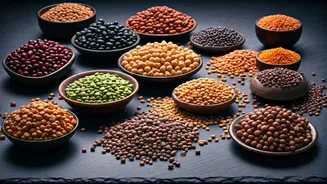
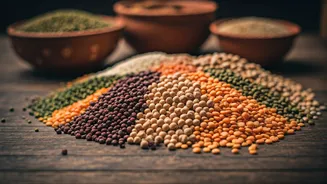
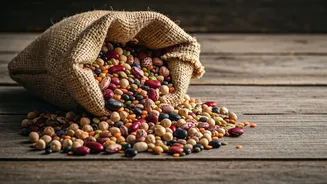
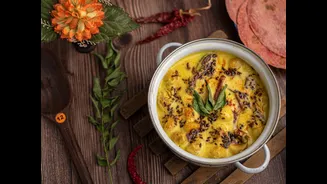
To understand modern India, you have to understand dal. The term refers both to the ingredient—a vast category of split legumes like lentils, chickpeas, and pigeon peas—and the soupy, savory dish made from them. Served with rice or roti bread, dal is the subcontinent’s
primary source of protein, especially for the nearly 40% of the population that identifies as vegetarian. It’s the comforting taste of home, the first solid food for babies, and the reliable fuel for the working class. A meal without it can feel incomplete. However, for much of the last decade, this culinary constant became distressingly variable. India, despite being the world’s largest producer of these pulses, was also its largest importer, leaving the country vulnerable to global market swings and volatile prices. A bad monsoon or a shift in international trade could send the price of a bag of lentils soaring overnight.
When a Staple Became a Luxury
The problem reached a crisis point in the mid-2010s. Prices for essential pulses like 'tur' (pigeon pea) and 'chana' (a type of chickpea) skyrocketed. For lower and middle-income families, whose food budgets are razor-thin, the spike was catastrophic. The daily bowl of dal, once a given, was thinned out with more water, cooked less frequently, or replaced with less nutritious alternatives like potatoes. Newspaper headlines lamented the 'dal crisis,' and the affordability of this humble legume became a potent political issue. The economic pain was a symptom of a deeper structural problem. India’s domestic production simply wasn’t keeping up with the demand of its growing population. The country was spending billions of dollars importing pulses from as far away as Canada, Australia, and Myanmar, a dependency that weakened its food security and exported its wealth.
A Mission for Self-Sufficiency
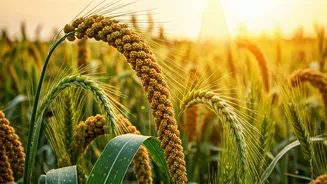
In response, the Indian government launched a quiet but determined national mission to achieve 'atmanirbharata,' or self-reliance, in pulses. This wasn't just a slogan; it was a multi-pronged strategy. First, the government significantly increased the Minimum Support Price (MSP)—a guaranteed price at which it buys crops from farmers—for pulses. This incentivized farmers to dedicate more land to legumes instead of just wheat and rice. Simultaneously, agricultural research institutes rolled out higher-yielding, drought-resistant seed varieties. The government improved its procurement and storage infrastructure, creating a buffer stock to stabilize prices and prevent hoarding. It also managed imports more strategically, imposing tariffs when domestic supply was strong and easing them only when necessary. This combination of farmer incentives, technological upgrades, and smart trade policy began to fundamentally reshape the agricultural landscape.
A Harvest of Success
The results have been transformative. Over the last several years, India's pulse production has surged, rising from around 17 million metric tons in 2015-16 to a projected 29 million in recent forecasts. The country has dramatically slashed its import bill. In 2023, India declared itself largely self-sufficient in several key pulses, a monumental achievement for a nation of 1.4 billion people. For the average consumer, this agricultural success story translates to something much simpler: affordable dal. Prices for staples like chana have remained stable and even fallen, insulating households from the food inflation hitting other commodities. The government has also been distributing free pulses to 800 million citizens through its food welfare programs, ensuring a crucial protein safety net. The legume love affair, once strained by economics, is being rekindled in kitchens across the country.